
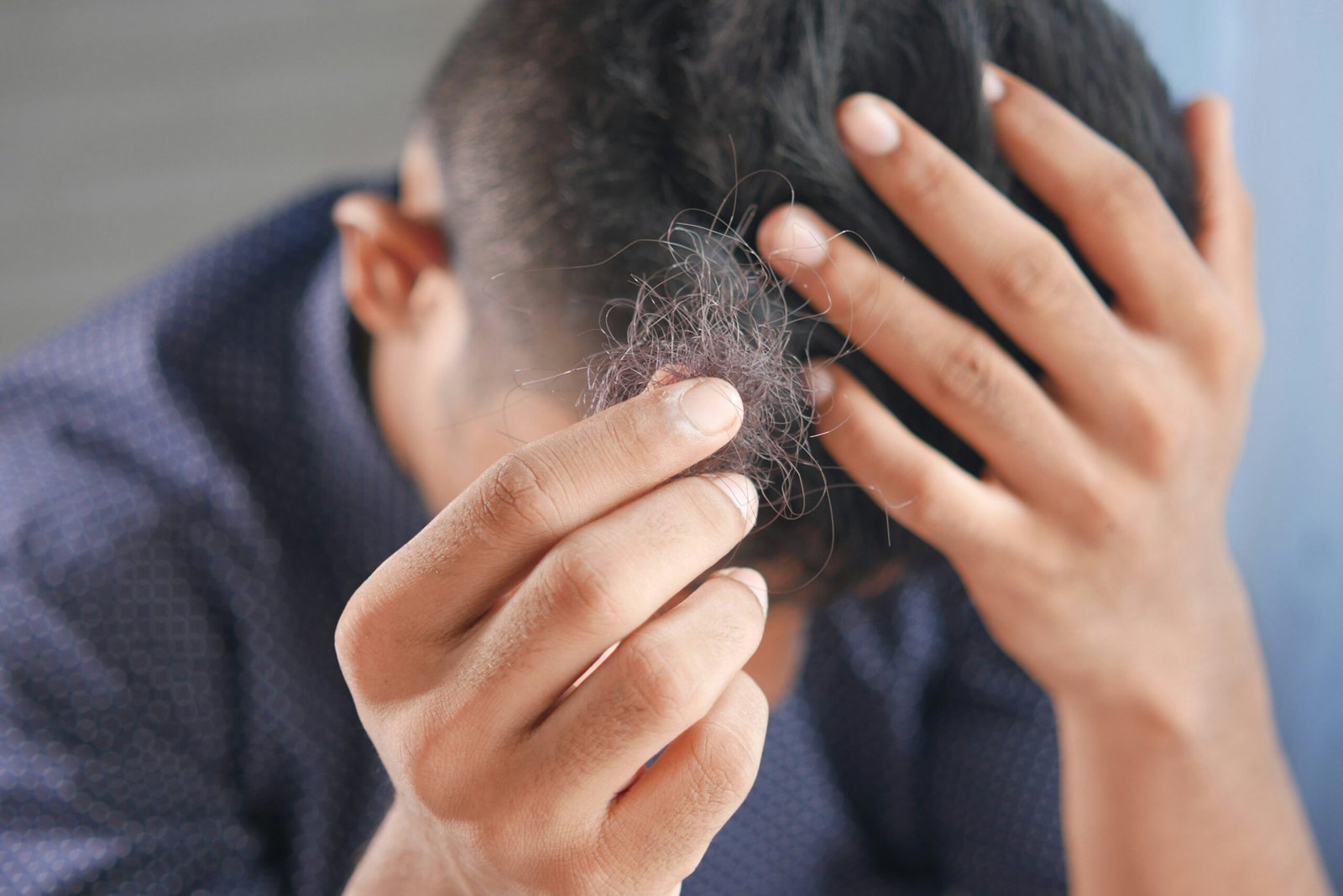
Many people search for how to repair damaged hair fast at home when their hair begins to feel dry, brittle, or difficult to manage. Check out comprehensive life and home guides on Grow With Home. Slow wear shows up from things like daily blow-drying, coloring routines, tough soaps, or just sun and wind taking a toll. Bit by bit, those choices break down the strand’s inner strength while washing off the body’s built-in moisture layer.
Home routines often work just as well as salon visits when it comes to fixing tired hair. Learning how to repair damaged hair fast at home focuses on restoring moisture, strengthening hair fibers, and preventing further breakage. A bit of oil here, a gentle wash there – small steps add up over time. Stronger hair usually follows once protection begins from daily harm. Shine sneaks back in when fibers heal quietly beneath consistent attention. Softness returns not through magic but steady, quiet effort.
A fresh start for damaged strands won’t show up overnight, yet steady routines at home often bring real change quicker than assumed. Starting with rich moisturizing treatments, moving through careful styling, finishing with balanced feeding – each step adds up. Results begin to appear when patience meets daily attention, proving small choices carry weight.
Home remedies can bring back your hair’s strength without harsh treatments. Try these steps one at a time, slowly weaving them into daily habits. A shift in routine might ease breakage before it spreads further. Gentle care often slows harm more than expected. Small changes stack up when done consistently. What works today may surprise you tomorrow. Stick with what feels manageable, nothing extreme.
What Damages Hair
Before learning how to repair damaged hair fast at home, it helps to understand what actually causes hair to become damaged. Most of what holds hair together comes from a strong protein called keratin. Because damage happens slowly, many miss the early signs. Once that outer layer cracks, moisture slips out instead of staying trapped inside. Weakness shows up as split ends or strands that snap when brushed.
Hot tools mess up hair more than people think. Flat irons, curlers, and dryers blast strands with intense warmth – this weakens their outer shield over time. Skipping a heat barrier before styling often leads to brittle tips and fraying edges. Too much exposure strips moisture, leaving hair rough and fragile.
Harsh chemicals play a role in weakening hair too. Coloring, using bleach, even smoothing treatments – they change how each strand is built inside. When these steps go unmatched by good care afterward, strands turn brittle, full of tiny holes that shouldn’t be there.
Fresh air might seem good, yet sunlight plus wind slowly pull water out of each strand. Pollution joins in too, making things worse little by little. Wearing your hair pulled back every day? That adds stress. Brushing too hard works against strength, bit by bit. Over months, these small moves wear down the fiber.
Figuring out what went wrong makes it easier to fix harmed hair quickly using home methods targeting the real issue and learn more about understanding hair damage. Not every method works unless the source is clear. Some fixes fail because they ignore why damage happened in the first place. When roots of harm are known, treatments become more effective without guesswork. Understanding these causes helps people approach how to repair damaged hair fast at home with solutions that address the root of the problem.
Signs Your Hair Needs Repair
Frayed strands show up when hair loses its smooth feel. Early on, it might just seem parched. What used to run smoothly between fingers now snags without warning. Sometimes a strand looks dull where it once caught light.
Fractures at the tips show up next. That happens because the shield around each hair fiber wears away. When those splits form, harm moves higher through the shaft unless steps are taken.
Broken bits show up easily when hair’s already hurt. During a wash or while running a brush through, tiny chunks drop out rather than full lengths.
Light doesn’t bounce off tired-looking strands the way it should. A sleek exterior lets healthy locks shine bright. When the shield on each strand wears down, things go dim. Roughness replaces smoothness, killing the glow.
Spotting these clues soon helps start fixing hair before problems get worse. It’s simpler to act when changes are just beginning.
Deep Conditioning Restores Moisture
One of the most important steps in how to repair damaged hair fast at home is restoring lost moisture. When that shield on the outside falters, what tends to follow is a serious drop in water retention inside the hair.
Moisture finds its way back into the hair strand thanks to deep conditioning. Often denser than everyday formulas, these products go beyond the surface layer. Reaching further inside, they deliver what parched strands truly need.
Rinsing with mild shampoo first sets the stage for better results. A weekly dose – sometimes two – of rich conditioning brings life back to parched strands. Mid-shaft down to tips gets coated, skipping the roots entirely. Time spent waiting lets nutrients sink deeper into each strand. Minutes pass, then rinse – it leaves texture softer than before.
Folks who condition regularly tend to notice their hair acting smoother, less stubborn. A steady routine chips away at roughness, slowly shifting texture. With each use, strands respond – becoming more cooperative, less tense. Time passes. The results build: a gradual softening, an ease of motion through fingers. Not sudden, but sure.
Natural Oils Boost Hair Strength and Shine
Natural oils are widely used in routines for how to repair damaged hair fast at home. Because they lock dampness into each strand, these liquids guard against more loss of wetness.
Oils like coconut, olive, and argan show up often – they carry fats good for keeping hair strong. Before shampooing, some drizzle them lightly; others rub just the tips after styling.
One way folks do it: they heat up just a bit of coconut oil, softly work it into their scalp at night. Come sunrise, each hair shaft’s soaked in moisture.
When you use natural oils often, hair gets smoother, plus it looks shinier. Damaged strands feel softer over time.
Gentle Washing and Choosing Mild Shampoos
Another important factor in how to repair damaged hair fast at home is adjusting how hair is washed. Strong cleansers strip away the oils meant to guard against brittleness.
A fresh start begins with picking a gentle shampoo made for parched or harmed strands – this kind keeps hydration locked in. Usually, such formulas rely on softer detergents to tidy the scalp while sparing natural oils.

Less frequent washing might just reset things. Each time you lather up daily, strands tend to dry out quicker than they recover.
Washing your hair every couple of days works well for plenty who want to keep their scalp’s moisture intact. Some notice healthier texture when they skip daily routines now and then. A rhythm like twice weekly gives oil time to travel down each strand. Others feel less dryness shows up when cleansing isn’t too frequent. For quite a few, spacing out washes brings more bounce without extra products.
Reducing Heat Styling
Starting with hot tools might be why healing takes so long. Using straighteners, curl wands, or a dryer on high heat often cancels out what conditioners and masks fix. Instead of recovery, the strands face more stress each time they’re heated.
When focusing on how to repair damaged hair fast at home, reducing the use of heat tools can make a noticeable difference. Instead of turning up the flat iron, trying to let it dry naturally cuts down harm each day brings. Heat less means breakage slows – that much becomes clear after just a week or two. What feels like a small switch often shows results faster than products promise. Hair left alone recovers more ground than expected when hot tools take a back seat.
When heat tools are needed, pick cooler settings while adding a protective layer first – this cuts down harm. Heat exposure tends to weaken strands unless shielded ahead of time with something defensive. Lower degrees on the tool plus a safeguarding formula make a difference when styling happens. Starting with less intense warmth helps, especially if paired with a barrier cream before turning devices on. Applying protection beforehand helps shield hair, even from the heat of styling tools. Fewer hot tools mean strands slowly rebuild their natural bounce. Eventually, less heat helps hair grow tougher through the weeks.
Trim hair regularly for better health
Most folks think cutting fixes broken strands, but really it just stops more damage. Once a split shows up at the tip, that spot won’t ever go back to normal. Without a trim, that little break creeps higher, unraveling more with time.
Frayed ends get snipped away each time you trim, stopping splits from climbing higher up the strand. As fresh strands push out from the roots, the old ones look shinier just by staying intact longer.
When it comes to fixing harmed strands quickly without leaving home, some folks notice better results over time by snipping the tips regularly. A small cut here and there helps – slowly – the full look gets healthier. For many people learning how to repair damaged hair fast at home, trimming the ends every few weeks can gradually improve the overall condition of the hair.
Nourishing Hair Through Diet
Fueled by what you eat, hair thrives when nourishment runs deep. When meals pack a variety of essential nutrients, strands gain resilience over time.
From the moment it begins to grow, each strand relies on strong building blocks found in everyday meals. What keeps hair resilient often comes from plates filled with simple ingredients like salmon or lentils. Though tiny, keratin fibers need steady fuel, something a handful of almonds or scrambled eggs can quietly offer. When nourishment lags, signs appear – not loudly, but steadily. Even small eating habits shape how firmly roots hold on.
Folks often overlook how biotin plays a role in keeping hair in good shape. Yet scalp wellness gets a boost when vitamin E steps in. Stronger strands tend to follow where these nutrients are active. Growth gains momentum without much fanfare.
A fresh mix of smart eating plus outside treatments speeds up fixing hurt hair right where you live. Home routines work better once diet teams up with surface-level helpers. What happens? Hair healing gets a real boost without needing far-off solutions. When people combine good nutrition with external care methods, the process of how to repair damaged hair fast at home becomes more effective.
Sleep Habits That Keep Hair Safe
When night falls, how you treat your hair might matter more than expected. Rough pillow surfaces tug at strands while you sleep. This slow pull during rest hours adds up, weakening each strand bit by bit.
A silk pillowcase might help cut down on knots overnight. Tying your hair up gently can prevent strands from snapping during rest. A touch of oil rubbed just on the tips could maintain moisture while you sleep.
Even tiny tweaks like these add up when it comes to regrowing hair. A little change here, a slight shift there – results begin to show over time.
Creating a Regular Hair Care Habit
Fixing damaged strands takes time, yet sticking with a routine brings results. Though changes may show up fast at first, strong locks grow from ongoing attention. A steady approach matters more than quick fixes when rebuilding what’s been weakened.
Most days start better when you wash softly, once a week drench strands in rich conditioners, now and then massage in oils, while turning down hot tools. Strength returns slowly, elasticity follows close behind because of these moves done again and again.
Folks sticking to a steady pattern usually see their hair act smoother, snap less, yet glow more on its own. When habits stay fixed, strands tend to cooperate – fewer tangles, better strength, extra luster showing up quietly. Over time, doing the same things daily brings out a calmer texture, fewer split ends appear, while brightness grows without effort.
Conclusion
Learning how to repair damaged hair fast at home involves focusing on moisture, gentle care, and healthy habits. Heat tools mess up texture, chemicals strip layers, wind sun harm fibers too, brushing too hard pulls roots apart. When those things stop happening, locks start behaving better again – shine returns, ends stay whole longer. Strength builds back when treatment shifts toward kindness instead of speed.
Starting with deep conditioning helps repair strands over time. Nourishing oils enter the picture when moisture runs low. Heat styling takes a back seat if strength matters more. A solid diet plays its part behind the scenes. Overnight fixes do not exist here. Gradual progress shows up through steady habits. Softness returns on its own schedule. Shine follows closely after. Resilience builds without fanfare.
Some folks notice their hair improves when they stick to a steady pattern, even if it takes time. A gentle rhythm often brings better results than fancy fixes ever do.