
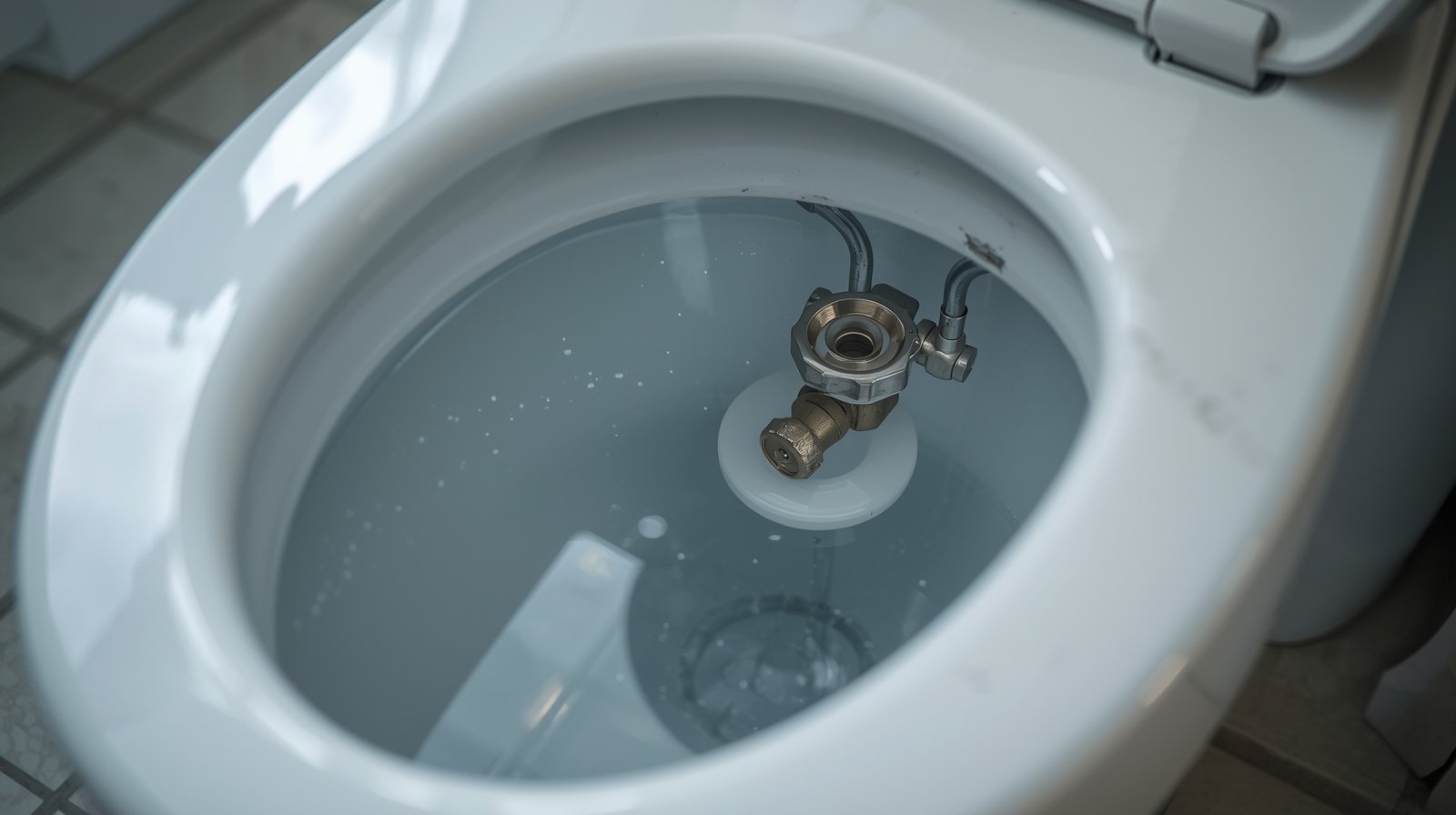
Using a toilet should be as easy as doing your business. You push in the handle, the bowl clears, and beyond you can hear the tank quietly refilling. But when that second refill doesn’t materialize, or happens glacially slowly, it prompts a pressing question: why is my toilet not filling up with water?
This issue is more widespread than many people suspect, and does not necessarily indicate a catastrophic plumbing disaster. The truth is, toilets are mechanical systems with very few moving parts. When something interrupts how those parts work together, the refill process stops short.
This guide explains the issue from the inside out. We’ll look at how toilet tanks actually refill, what specific components fail, how water pressure and valve behavior affect refilling, and why certain symptoms point to very specific causes. Everything here stays strictly focused on understanding why is my toilet not filling up with water, without exaggeration, product promotion, or unnecessary detours.
Understanding How Toilet Refilling Really Works
To fully explain why is my toilet not filling up with water, let’s study the refilling process in detail.
When you flush:
- The flush valve opens.
- Water leaves the tank and goes into the bowl.
- The tank water level drops.
- The float drops with the water.
- The fill valve opens.
- Water enters the tank.
- The float rises.
- When the water hits the desired level, the fill valve turns off.
The tank won’t refill adequately, or potentially at all, if even one of these steps gets interrupted, delayed, or otherwise thrown out of whack.
This is why toilet tank refill problems are mechanical, not mystical.
Why Is My Toilet Not Filling Up With Water After a Flush?
When the toilet tank is not filling up with water after flushing, there are three potential elements you might need to address.
- Water is not reaching the tank
- The fill mechanism is not opening
- The shutoff signal is happening too early
Let’s dig into each of these a bit more deeply.
The toilet supply valve: Ground Zero The first thing to fail
Behind or under your toilet is a shutoff valve, which determines how much water goes into the tank. Even a small change in this valve’s position can affect refill speed or stop refilling entirely.
How the Supply Valve Affects Tank Refilling
The supply valve controls incoming pressure. When it’s:
- Fully open: the tank refills normally
- Partially closed: the tank refills slowly
- Fully closed: the tank doesn’t refill at all
Many people discover why is my toilet not filling up with water only after realizing the valve was bumped during cleaning or maintenance.
Why Partial Closure Causes Confusing Symptoms
A partially closed valve doesn’t stop water entirely. Instead, it creates symptoms like:
- Very slow refill
- Tank stopping halfway
- Inconsistent water levels
This often leads people to assume something inside the tank is broken when the issue is actually external.
Fill Valve Failure: The Most Common Root Cause
The fill valve lets water into the tank. If it doesn’t open fully, or doesn’t open at all, the tank stays empty.
How Fill Valves Wear Out Over Time
Fill valves experience constant exposure to:
- Water pressure
- Mineral deposits
- Sediment
- Mechanical movement
Over time, these factors cause internal seals to stiffen or clog.
This makes fill valve failure one of the top answers to why is my toilet not filling up with water, especially in toilets over five years old.
Symptoms of a Faulty Fill Valve
A failing fill valve may:
- Make no sound after flushing
- Allow only a weak trickle of water
- Stop filling randomly
- Requires multiple flushes to refill
In advanced cases, the valve opens but closes almost immediately, preventing the tank from filling fully.
Float Mechanism Problems: Small Part, Big Impact
The float is what tells the fill valve when to shut off. If the float sends the wrong signal, the valve behaves incorrectly.
Float Set Too Low
When the float is positioned too low, the valve closes before the tank has had a chance to fill appropriately. This has many homeowners asking Why is my toilet not filling up with water?
This situation does not always halt the refilling process altogether, but instead, it weakens the flushing power and leaves the tanks less than completely full.
Float Sticking or Binding
Floats must move freely. If they:
- Rub against the tank wall
- Catch on internal parts
- Become warped
They may get stuck in the “up” position, telling the fill valve the tank is already full when it isn’t.
This is a surprisingly common and easily overlooked cause.
Refill Tube Issues That Mimic Tank Problems
Inside the tank, a small refill tube directs water into the overflow pipe. This tube doesn’t fill the tank itself, but it refills the bowl after each flush.
Why Refill Tube Problems Create Confusion
If the refill tube:
- Is disconnected
- It is aimed outside the overflow tube
- Is submerged incorrectly
The bowl may not refill even if the tank does.
This leads many people to believe why is my toilet not filling up with water, when the real issue is bowl refilling rather than tank refilling.
Mineral Buildup and Sediment: The Silent Offender
Over time, mineral buildup forms inside valves and supply lines in homes with hard water. These same mineral deposits can also lead to visible toilet bowl discoloration, and homeowners dealing with this issue may find it helpful to read about how to get rid of brown stains in a toilet bowl caused by hard water and sediment.
How Minerals Interfere With Water Flow
Mineral buildup:
- Narrows internal valve openings
- Reduces water pressure entering the tank
- Prevents valves from sealing properly
Over time, this buildup turns a once-strong refill into a weak trickle.
Why This Problem Gets Worse Gradually
Unlike sudden mechanical failures, mineral buildup develops slowly. A lot of times, people don’t realize until all of a sudden they’re like Wait, why my toilet not filling up with water anymore?
Why Is My Toilet Not Filling Up With Water Consistently?
Some toilets fill like they are supposed to some of the time, and never at all other times. This inconsistency almost always points to internal valve behavior.
Common causes include:
- Debris is temporarily blocking the fill valve
- A float that sticks intermittently
- A valve seal that only opens under certain pressure conditions
These issues create unpredictable refill patterns that confuse homeowners.
Water Pressure Factors Inside the Home
Although toilets don’t require high pressure, extremely low pressure can prevent proper refilling.
Signs Pressure Is Part of the Problem
Pressure-related refill issues often show up as:
- Multiple fixtures are filling slowly
- Toilets refill only when other water sources are off
- Noticeable pressure drops throughout the house
If the pressure is fine elsewhere, this problem probably lies inside the toilet tank.
Real-Life Scenario: A Misdiagnosed Problem
A homeowner once replaced multiple internal toilet parts trying to fix a refill issue. The real problem? The supply valve had internal corrosion and was partially blocking flow, even though it was turned wide open.
This brings me to a valuable lesson: never overlook either the internal or external component when diagnosing why is my toilet not filling up with water.
Why Is My Toilet Not Filling Up With Water After Repairs?
Sometimes, refill problems appear immediately after maintenance.
This often happens when:
- The refill tube is reattached incorrectly
- The float height is disturbed
- The supply valve isn’t reopened fully
Post-repair refill problems are almost always adjustment-related, not failures.
When Replacement Is the Logical Step
While many refill issues are adjustable, some parts simply reach the end of their service life.
Replacement becomes reasonable when:
- Valves no longer respond to adjustments
- Mineral buildup cannot be cleaned
- Seals fail repeatedly
Replacing a worn fill valve often permanently resolves why is my toilet not filling up with water. For readers who want a step-by-step explanation of how to replace a toilet flush valve, a trusted home improvement guide provides clear instructions and visuals that can help you perform the task safely.
Preventing Toilet Refill Problems Long-Term
Prevention doesn’t require expertise—just awareness.
Helpful habits include:
- Inspecting tank components yearly
- Cleaning visible mineral buildup
- Avoiding excessive force on internal parts
- Listening for changes in refill sounds
Early detection prevents sudden failures.
Frequently Asked Questions (FAQs)
Why isn’t water filling my toilet tank after I flush?
Most often, this occurs because water isn’t entering the tank appropriately. The shut-off valve is not fully open, a faulty fill valve, or a buoyant that remains stuck in the up or full position. Either of these may end the refill cycle prematurely after flushing.
Why is my toilet not filling up with water all the way?
If your toilet is filling up but stopping up too quickly, the problem is probably that the float is set too low or you are turning off your fill valve before it should be. This results in the valve closing prematurely, prior to the tank achieving a proper fill on its water level, and weak flushing or incomplete flushing.
Can a toilet stop filling because of a clogged fill valve?
Yes. Build-up, sediment, or debris may have formed in the fill valve to cause a decrease in water flow. Over time, this sediment can reduce pressure to the point that the tank refills very slowly or not at all, despite the water supply being on.
Why does my toilet fill sometimes but not every time?
Erratic refilling is typically a mechanical problem in the tank. Sometimes the toilet might work fine when you flush, and other times it might not. A flaky float or a shifting debris float that occasionally sticks or debris that moves inside the fill valve can make your toilet work sometimes and not others.
Can low water pressure cause a toilet not to fill?
Toilet refilling can be slowed by low water pressure, but lack of pressure isn’t usually the problem. Pressure: If you have low flow in other fixtures in your home, pressure is a factor. If the problem is isolated to one toilet, however, it’s nearly always inside the tank.
Why is my toilet not filling up with water after replacing parts?
Refill issues tend to occur after repairs due to improper adjustments. The float may be set too low, the refill tube may be mispositioned, or there may be a shutoff valve that hasn’t returned to the fully open position. These are problems of adjustment, not deficiencies.
Does a disconnected refill tube stop the tank from filling?
No. A refill tube that is disconnected doesn’t stop the tank from filling, but it may interfere with the toilet bowl refilling as it should. This can create the perception that the toilet is not functioning adequately, even when the tank is full.
Final Summary
If you want to know why is my toilet not filling up with water, you’ll need to have some understanding of how the process of water coming in, stopping as well, and signaling inside the tank works. Items like shutoff valves, fill valves, floats, refill tubes, and mineral buildup all have a specific purpose.
Toilets are simple machines. When one half of these systems does not work, the system lets you know, usually through slow refills, empty tanks, or erratic water levels. Understanding what every symptom means changes confusion to clarity and will enable you to deal calmly (rather than frantically) with the problem. For more practical home maintenance guides and clear explanations of everyday plumbing issues, you can explore additional resources available on the Grow With Home website.
One thought on “5 Easy Fixes for Why Is My Toilet Not Filling Up With Water?”
Comments are closed.