
Use this comprehensive move out cleaning checklist to clean every room efficiently before moving. Learn what landlords, buyers, and property managers expect with practical cleaning tips and expert advice.
Moving out of a house is exciting, but there is also a final task to complete: leaving the property clean and ready for the next occupant. Whether you are ending a rental agreement, selling your home, or preparing a property for new tenants, a move out cleaning checklist will help you get the job done right.
A move out cleaning is not as simple as vacuuming the floors and wiping the counters. Property managers, landlords, and buyers will be judging your work, so it is important to leave nothing undone. Even something as simple as baseboards can be a point of contention if they are not cleaned properly.
This article will provide an in-depth beginner’s guide to move-out cleaning. It will also explain what to clean and why. You will also discover how professional cleaners use a move out cleaning checklist to help them complete the job efficiently, along with other home cleaning guides.
Beginner’s Guide to Move Out Cleaning
A move out cleaning is a deep cleaning of a property after occupants have removed their belongings. Unlike regular cleaning, this service requires cleaning all surfaces until they are spotless.
The objective of a move out cleaning is to leave the property in excellent condition. Common areas that require deep cleaning include:
• Kitchens
• Bathrooms
• Dusting
• Walls and baseboards
• Windows
• Vacuuming and mopping
• Trash
• Appliances
• Odors
Whether you hire a professional cleaning service or you do the cleaning yourself, a move out cleaning checklist will help you get the job done right.
How a Move Out Cleaning Checklist Works
A move out cleaning checklist will help you clean the property room by room. Most professional cleaners will start by removing all the furniture, boxes, and decorations. This will give them easy access to:
• Floors
• Closets
• Cabinets
• Corners
• Walls
• Appliances
The next step is to dust all surfaces from top to bottom. Cleaners will start by removing dust from ceiling fans, vents, shelves, light fixtures, and window frames. This is important because dust falls from top to bottom, so cleaning from the bottom up will only dirty the surfaces you have already cleaned.
The next step is to clean all high-touch surfaces. These are surfaces that people touch regularly, such as:
• Door handles
• Light switches
• Cabinet knobs
• Remotes
• Thermostats
The final step is to clean all the floors. Vacuuming should be done before mopping. This is important because mopping will dirty the vacuum.
Key Concepts to Understand When Using a Move Out Cleaning Checklist
Deep Cleaning Versus Regular Cleaning
Regular cleaning is meant to maintain the cleanliness of a property. Deep cleaning goes beyond regular cleaning by removing dirt, grime, soap scum, mineral deposits, and embedded dust. Move out cleaning almost always requires deep cleaning rather than regular cleaning.
Why Landlords Use Cleaning Standards
Most rental agreements require tenants to leave the property in a reasonably clean condition. Property managers and landlords usually look out for specific areas during their inspection. These areas include:
• Kitchen appliances
• Bathrooms
• Flooring
• Windows
• Walls
• Cabinets
• Closets
• Fixtures
Using a rental cleaning checklist will help you avoid extra cleaning charges.
Cleaning Supplies
Having the right cleaning supplies makes the job much easier. Most cleaning supplies used during a move out cleaning are similar to those used in regular cleaning. These include:
• Microfiber cloths
• Glass cleaner
• Multi-surface cleaner
• Bathroom disinfectant
• Degreaser
• Vacuum cleaner
• Mop and bucket
• Magic eraser
• Baking soda
• White vinegar
• Trash bags
• Rubber gloves
• Scrub brushes
Most homeowners also like to use eco-friendly cleaning products to reduce their exposure to harsh chemicals.
If you’re unsure which products are suitable for different household surfaces, reviewing safe household cleaning recommendations can help you choose the right options for each cleaning task.
Detailed Move Out Cleaning Checklist
Kitchen Cleaning Checklist
The kitchen is usually the messiest part of the house. As such, it requires more attention during a move out cleaning. Here is a detailed kitchen cleaning checklist:
Cabinets
Make sure to empty all cabinets and wipe the interior shelves. Use a damp microfiber cloth to clean the outside of the cabinet doors. Make sure to remove any grease around the cabinet hardware. Vacuum all crumbs from the cabinet.
Countertops
Make sure to disinfect all countertops and backsplashes. Pay special attention to the corners, seams, and around the sink.
Sink
Make sure to remove all stains from the sink. Buff the faucet until it shines, then remove any buildup from the drain. . If the sink has a disposal, sanitize it.
Refrigerator
Make sure to clean the inside of the fridge, including the shelves, drawers, and door seals. Wipe the outside handles, the top of the fridge, and underneath if possible. Make sure the fridge is dry to avoid odors.
Oven
The oven is one of the most telling signs of a good move out cleaning. Make sure to remove any food, grease, or oven racks. Clean the interior of the oven to remove stains.
Microwave
Make sure to clean the interior walls of the microwave. Wipe the turntable and the door. Clean the exterior controls and the microwave’s exterior.
Dishwasher
Refresh the dishwasher by operating a wash cycle with no dishes inside. Wipe the seals around the door, the filter, and the exterior panel.
Floors
Make sure to sweep the floors before mopping.
Bathroom Cleaning Checklist
Bathrooms require a complete sanitization during a move out cleaning. Here is a detailed bathroom cleaning checklist:
Toilet
Make sure to clean the bowl, seat, base, tank, and the area behind the toilet.
Shower and Tub
Make sure to remove soap scum, water stains, mold, and mildew.
Sink
Make sure to disinfect the faucet, counter, and drain.
Cabinet
Polish the cabinet until it is spotless.
Mirrors
Make sure to clean the mirrors until they are spotless.
Exhaust Fan
Make sure to remove any lint from the fan.
Floor
Vacuum the hair from the floor before mopping.
Bedroom Cleaning Checklist
The bedroom cleaning is usually simple, especially if the furniture has been removed. Make sure to:
• Dust ceiling fans
• Wipe the baseboards
• Clean the windows
• Vacuum the closets
• Remove any cobwebs
• Dust the shelves
• Clean the doors
• Vacuum the carpets
Living Room Cleaning Checklist
The living room can accumulate a lot of dust, especially on the windowsills. Make sure to clean:
• Window sills
• Blinds
• Curtains (if any)
• Light fixtures
• Ceiling fans
• Walls
• Baseboards
• Electrical outlets
• Floors
If the living room has hardwood floors, make sure to use a wood floor cleaner.
Laundry Room
The laundry room is one of the most neglected areas in the house. Make sure to clean:
• Washer
• Dryer
• Utility sink
• Shelving
• Floor
• The area behind the washer and dryer (if accessible)
Entryways and Hallways
These areas should always look nice. Make sure to clean:
• Door frames
• Thresholds
• Light switches
• Handrails
• Floors
• Baseboards
Windows
Make sure to clean the interior glass, tracks, and frames. Clean the window locks and screens if they are removable. Streaks are easy to see when there is natural sunlight, so make sure to look at the windows from different angles.
Walls
Wall smudges and surface scuffs are often forgotten during routine cleaning. Use a damp microfiber cloth or magic eraser to remove:
• Fingerprints
• Shoe marks
• Dust
• Stains
Avoid using magic erasers on delicate paint.
Floors
Various types of flooring need various forms of cleaning.
Carpet
Vacuum slowly
Spot clean any stains
Consider professional carpet cleaning if heavily worn
Tile
Sweep
Mop
Scrub grout if necessary
Hardwood
Use cleaners specifically designed for hardwood.
Avoid moisture.
Advanced Insights and Professional Knowledge
Professionals cleaners use a few different techniques that allow them to work smarter and more efficiently.
Work Clockwise
Professionals tend to work in one room from front to back or left to right rather than working in a circular motion. This ensures that they don’t miss any spots when they turn a corner.
Use Two Cloths
One cloth is used to clean the surface and the other is used to buff the surface dry. This leaves surfaces clean and less streaky.
Let Products Sit
Many disinfectants and cleaners require the product to sit for a certain amount of time in order to be completely effective. Spraying and immediately wiping can cause the product to not work properly because it is wiped off too soon.
Clean Hidden Areas
Many places that a professional cleaner may clean are often overlooked by the untrained eye. Commonly missed areas include: behind the toilet, under the sink, inside cabinets, corners of closets, the top of the doors, air vents and the ceiling fans.
Real-Life Use Cases
Renters
A proper move out cleaning allows renters to recover their full security deposit.
Home Sellers
When getting ready to sell a home or an investor buying a home that needs to be resold, having a clean house makes the property more appealing and sets up the home for a successful showing.
Property Managers
A move out cleaning helps property managers keep the properties looking clean and ensures a smooth turnover process between renters.
Real Estate Investors
Real estate investors often buy fixer-uppers or vacant houses with the intent on either reselling or renting out the property. The proper move in cleaning helps set up a good baseline for the condition of the property.
Common Misunderstandings
“Vacuuming Is Enough”
Although vacuuming is a part of cleaning, it doesn’t sanitize. It takes away loose dirt, but doesn’t remove grease and grime from surfaces.
“The New Owner Will Clean Anyway”
If the new owner is planning on completing more extensive cleaning, leaving the home filthy is still a violation of many lease agreements that can also cause issues for negotiations.
“Professional Cleaning Isn’t Necessary”
Most people have a professional clean when leaving a place if they know how to do it, just don’t have the time. If a home is excessively dirty, a professional clean can save time.
“Only Visible Areas Matter”
While cleaning visible surfaces, a professional cleaner may also inspect the inside of cabinets, the inside of appliances and the shelves in your closets. These are also areas that should be cleaned because most move-out cleaning inspections look at far more than just visible areas.
Pro Tips for Faster Move-Out Cleaning
Plan your cleaning around when your move-out truck has been packed.
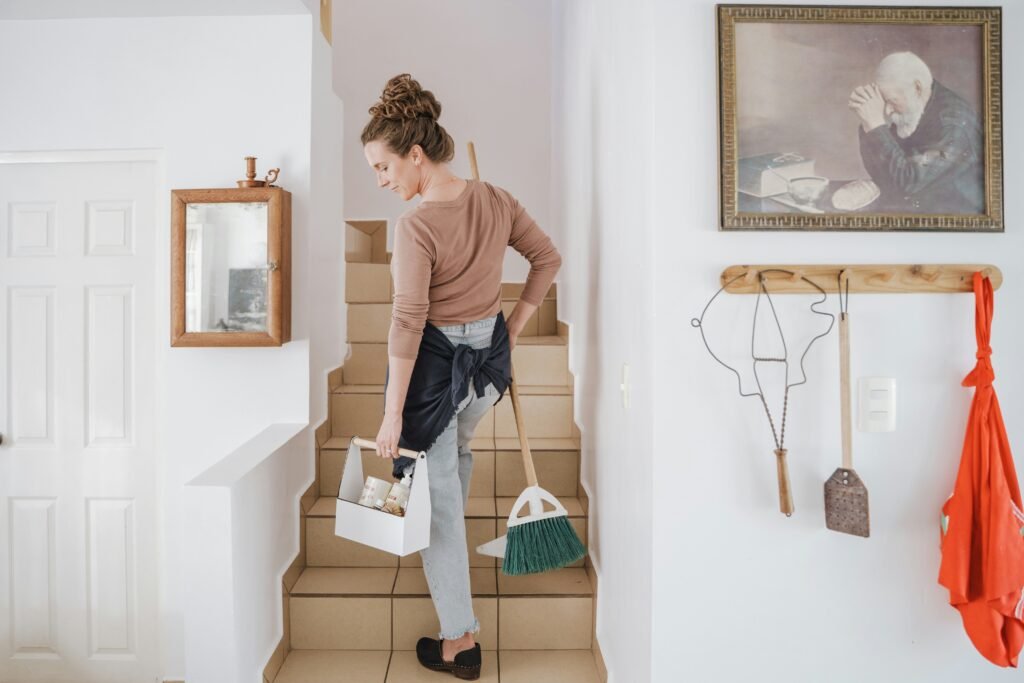
Keep one cleaning tote with you with all of your cleaning supplies instead of going back and forth between rooms
Take pictures of each room after you clean it. This can help if there are questions about the condition of the property after you’ve left.
Replace any burnt out bulbs before you leave
Empty all trash cans and remove any garbage from the property.
Open the windows for ventilation, especially if you have been cleaning the home for several days before your move-out date.
Use microfiber cloths to cut down on streaks and dusting.
DIY Move-Out Cleaning vs Professional Cleaning
Professional CleaningDIY Cleaning
CostHigherLower
TimeRequiredHours to DaysOne Visit
EquipmentCommercialCleanerBasic
FlexibilityScheduled at Your ConvenienceControl of Timing
Cleaning QualityVaries With ExperienceVery High if Done Correctly
Best ForBig Cleaning Jobs and Busy PeopleSmall Home Cleanings
Both cleaning options can offer great results if executed correctly.
Frequently Asked Questions
How long does move out cleaning take? It depends on the size of the place being cleaned, but generally a small apartment can take about 4-6 hours while a large home can take anywhere from an entire day up to a few days.
Do I need to clean before or after moving my furniture out? Always clean before you remove furniture as it allows you to access dust and dirt that you wouldn’t otherwise be able to reach.
Do I need carpet cleaning?
Many carpet or home cleaning services offer carpet cleaning as a service and it is often included or recommended in most lease agreements.
What if I skip move-out cleaning?
Landlords can charge you for the cost of professional cleaning if you skip it and buyers can ask you to allow professional cleaning before move-in.
Can I use natural cleaning products?
Yes, many natural products like vinegar, baking soda, lemon juice and plant-based cleaning products can work very well if not used incorrectly.
What are the most common places to forget when doing move out cleaning?
The most common places to forget when doing move out cleaning are ceiling fans, baseboards, inside of cabinets, fridge shelves, window tracks, air vents, toilet area and light fixtures.
Conclusion
A comprehensive move out cleaning checklist serves as one of the most useful tools for almost anyone who plans to move out of a house or apartment that they are either renting or owning. Instead of being an intimidating chore that most people wish to put off, with the help of a detailed guide, anyone can efficiently clean their property in record time! Using the correct cleaning products, planning the move out cleaning and paying attention to some of the most common areas that people forget will help ensure that almost anyone can get their security deposit back when renting or allow for a quicker sale when selling a house.
Instead of rushing a last-minute clean, spend the extra time giving your home a thorough cleaning. A well-maintained clean home goes a long way to not only protecting the security deposit for renters or allowing for a quicker sale for home sellers, but it also helps leave a great first impression on the new owners or buyers. With the help of this handy move out cleaning guide, anyone can rest assured knowing that they give their home a thorough cleaning!