

If you’re researching how to get dry erase marker off wall, it often begins with just one simple thing that went awry. Something is jotted down by one person, a child begins to draw, or a little spark of an idea finds its way onto the wall instead of a board. At first, it sounds innocent enough, because dry erase ink is designed to wipe off. But as soon as it comes into contact with a painted wall, some just doesn’t come off easily when you try to wipe it away.
Knowing how to get dry erase marker off wall correctly is crucial because walls are not made to have marker ink on them. Paint can be damaged, dull patches can appear, or the stain itself may look worse after improper cleaning. The process isn’t daunting at all, and the article clarifies it meticulously with practical ways to spare your wall as you remove that ink.
Why Dry Erase Marker Sticks to Walls
Dry-erase markers are intended for use on smooth, sealed whiteboard surfaces. Even the walls painted with a smooth finish, though they may look sleek and even taut, are pocked with thousands of pores that absorb ink. When the marker brushes against the wall, the ink flows into these pores instead of taking a seat on top.
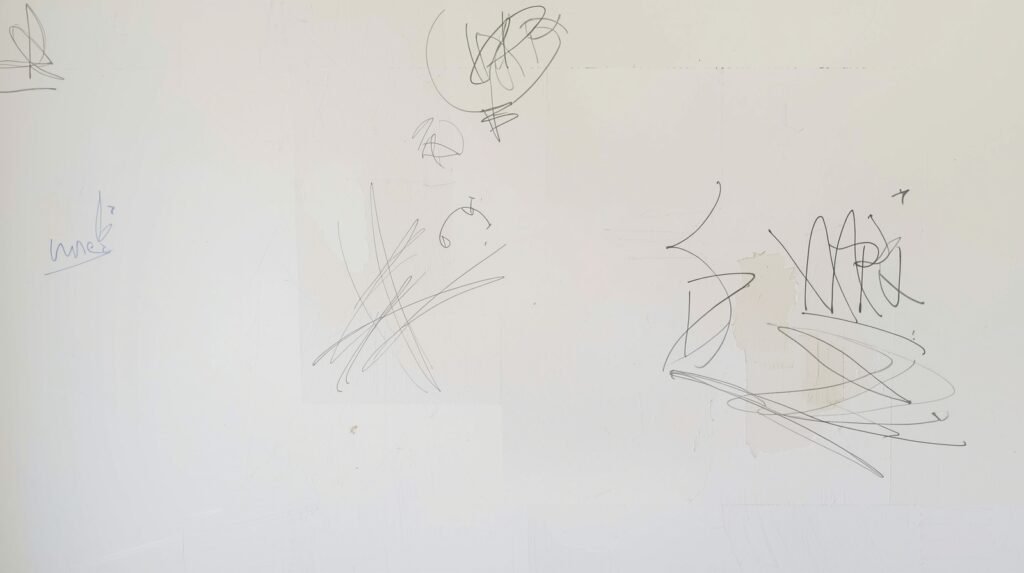
That is why rubbing the mark with a dry cloth often does not help. “It could be as simple as somebody jotting a note on a phone call, thinking they can erase it later.” When you come back, the ink is already blended in too lightly with the paint to be easily removed. Understanding this helps to explain why soft, targeted cleaning works much better than brute force.
Important Preparation Before Cleaning
Before trying any technique on how to get dry erase marker off wall, preparation is key. Walls are a lot more fragile than most people realize, especially if the paint is flat or matte. And try a discreet little patch test first to prevent any paint damage.
You should also be mindful to only use soft cloths as opposed to abrasive sponges and be sparing with the application of liquids. Football Transfer Rumours Paper Chase ‘Wet’ wall Q Over-wetting a wall with water when removing plaster can affect the adhesion of paint to surfaces, and water marks may become evident on the painted surface. By starting slowly, you have the best possible chance of getting rid of the ink without creating another problem. This gentle cleaning mindset is also helpful when removing stubborn brown stains from other household surfaces.
How to Get Dry Erase Marker Off Wall Safely and Effectively
Sandwiched between the two? You won’t believe it’s a dry erase marker. New ink can also reactivate and release old ink buried in the paint. The stain often comes out when tracing over the mark very carefully, then wiping off immediately with a soft cloth. This is best done on smooth wall textures and will need to be done slowly in order not to spread the ink.
Light stains can be treated with tepid water along with a few drops of dish soap. With a gentle wipe, the soap will dissolve away the ink without destroying others’ paint. This works well, especially if the mark is fairly new.
Alcohol can be another choice when? Soap is not good enough. That can be removed by gently rubbing a small amount onto a cloth to dissolve the ink pigments. The trick is to blot gently, not rub the surface, and then to wipe with a clean, damp cloth afterward. If done with care, this approach is completely trustworthy when you’re figuring out how to get dry erase marker off wall without taking the paint sheen with it.
Combine white vinegar with water for a gentle cleaning solution that can remove marker stains without toxic ingredients. The acid in the vinegar will dissolve the ink on its own, and also cause a reaction that will help everything wipe away. This method is favoured by individuals who are fans of home remedies.
For older or stubborn marks, a paste of baking soda and water can be used. When used lightly, the superfine baking soda will give a slight abrasion that will take off ink without cutting into your paint. This takes a little patience and a gentle touch to avoid changing the wall’s surface.
Simple white toothpaste may also help get rid of dry erase marker from walls. They can do a great job of lifting the paint if softly rubbed with a cloth. Neat, clean piles—This method is best for walls that have mild luster, but afterward, the area should definitely be wiped.
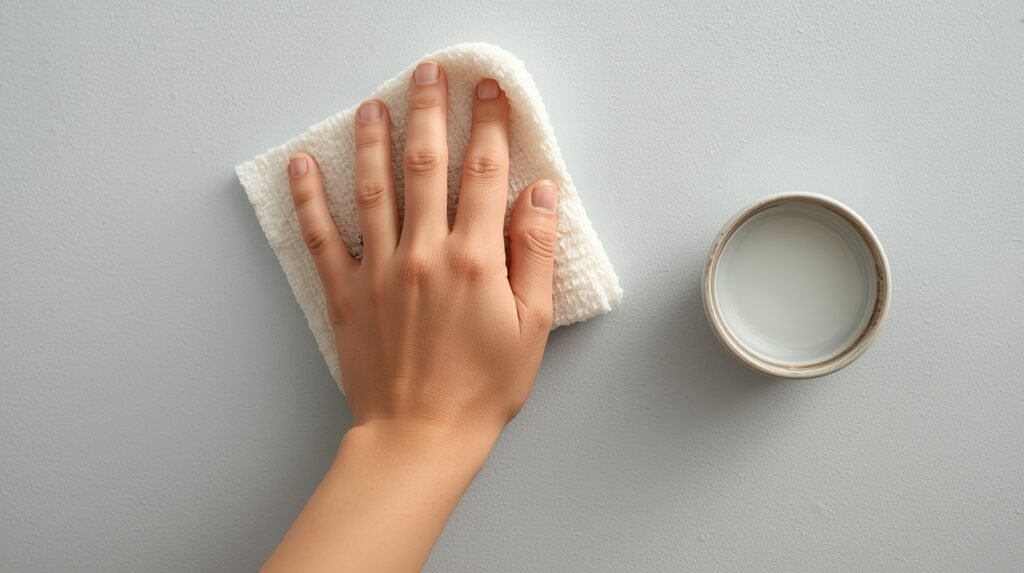
If all else fails, a magic eraser is helpful on more resistant marks – but use with extreme caution. These erasers are similar to fine sandpaper. Low pressure and light rubbing is all that’s needed to prevent paint damage. It is a last resort solution; do not take these steps unnecessarily.
How Marker Removal Varies with Paint Finish
The kind of paint you have on your wall will, to a great extent, determine how you get dry erase marker off wall. Flat or matte paint becomes dinged up and absorbs ink more readily than other paints, so you need the most gentle product you can manage. Satin and eggshell finishes are more forgiving, making them easier to clean without leaving a streak behind. You will find that semi-gloss or gloss paint resists staining the most, and typically allows for easier ink removal.
Knowing the paint finish on your walls enables you to pick a safer method that does not lead to preventable damage.
Common Errors That Make the Problem Worse
Scrubbing too much, or with strong solvents, can often make marker stains worse. A degree of aggressive cleaning will strip away paint or result in shiny spots — both of which stand out against the surrounding age. Too much of the liquid may also streak or soften the paint film. Foregoing a test spot frequently results in surprises that are more difficult to correct than the initial stain. Being mindful about avoiding unnecessary cleaning can also help prevent accidental damage to painted walls during stain removal.
When a Faint Mark Remains
Cleaning, there is a light shadow sometimes. This often dissipates once the wall is completely dry. Also, it’s critical that you give yourself time between attempts. If one is scrubbing down aggressively more than one time in a session, they are damaging the paint more so then ink, most likely.
Preventing Dry Erase Marker on Walls
It’s a lot less work to avoid the problem than it is to fix it. The risk is minimized by storing dry erase markers away from the wall and promoting the use of whiteboards. Establishing some straightforward rules for kids concerning acceptable places to use markers also prevents future stains and the need for cleaning that follows.
Conclusion
Knowing how to get dry erase marker off wall makes the difference between a headache and an easy clean. Using patience, fairy-like methods, and some paint knowledge, most of them can be removed safely from dry erase marker stains. The trick is picking the right method and avoiding harsh systems that will ruin the wall.
Handled properly, your wall can return to its original appearance without visible marks or paint damage.