
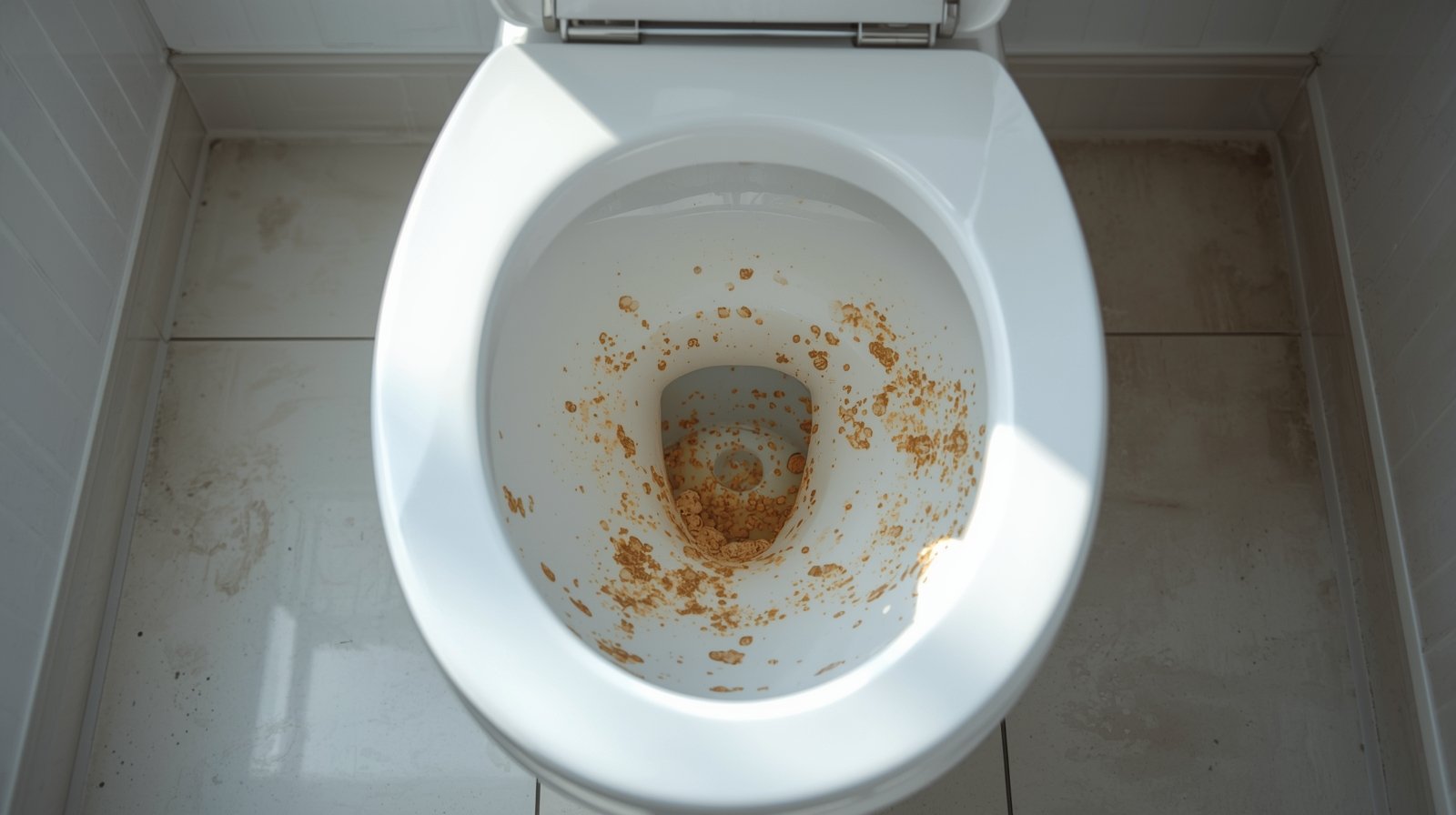
Introduction: Why Brown Toilet Bowl Stains Are So Common
If you are searching for how to get rid of brown stains in toilet bowl, chances are you already clean your bathroom regularly and still feel stuck. That brown ring or streak that just won’t disappear, no matter how much you clean. This is one of the most common groans when it comes to cleaning in the home, especially if you have hard water.
Brown stains. Many people think brown is a sign of a dirty toilet. In truth, these stains usually are there because of minerals in the water and not because you aren’t cleaning enough. I remember helping a friend clean the guest bathroom, which looked spotless everywhere else but had a darkened toilet bowl. We tested the water and found that it had a very high iron concentration. The stain wasn’t dirt; it was chemistry.
My Dear homeowners, this post explains exactly how to get rid of brown stains in toilet bowl, step by step, while also explaining why they form, which methods work best for each type of stain, and how to stop them from returning. Everything here is focused only on this topic, explained clearly and accurately.
Understanding Brown Stains in Toilet Bowls at a Deeper Level
To effectively remove stains, you need to know what the actual stain is. All brown stains are not created equal, and therefore, not all stains can be treated in the same way.
Mineral Composition Behind Brown Stains
The most common culprit of brown water spots in the porcelain toilet bowl is hard minerals that remain after the water has evaporated. These minerals adhere tenaciously to the surfaces, particularly when no water drop or low level of toilet settlement is maintained.
The minerals most frequently implicated are:
- Iron
- Calcium
- Magnesium
- Manganese
Iron causes rusty stains, and calcium and magnesium create limescale that traps discoloration.
Why Porcelain Attracts Mineral Buildup
Porcelain may appear slick, but under a microscope, it is full of little holes. The pores end up with minerals in them that harden, particularly at the waterline. And once they harden, many common toilet cleaners are no match.
This explains why surface-level cleaning may help briefly, but the stain comes back.
Figuring Which Kind of Brown Stain You Have
Before attempting to clean, you need to identify what kind of stain it is.
Light Brown or Yellowish Stains
These usually indicate early mineral buildup. They have a good response to mild acids and natural household cleaners.
Deep brown or reddish rings of rust
They are a little less friendly and would generally need some more heavy cleaning.
Rough, Crusty Brown Deposits
This indicates long-term limescale buildup. These stains typically require physical extraction along with reactions via chemicals.
Understanding this will help you to make that choice of what the safest and most effective answer is for you.
How to Get Rid of Brown Stains in Toilet Bowl Using Natural Methods
For mild and moderate stains, natural remedies are best. They are also inexpensive, safe, and very gentle on porcelain.
Vinegar-Based Deep Cleaning Method
White vinegar is acidic enough to dissolve stubborn mineral deposits, yet it won’t harm porcelain.
Step-by-step process:
- Add 2 cups of white vinegar to the toilet bowl.
- Use a toilet brush to move vinegar under the rim.
- Listen, soak for at least one hour.
- Scrub gently with a brush.
- Flush and inspect.
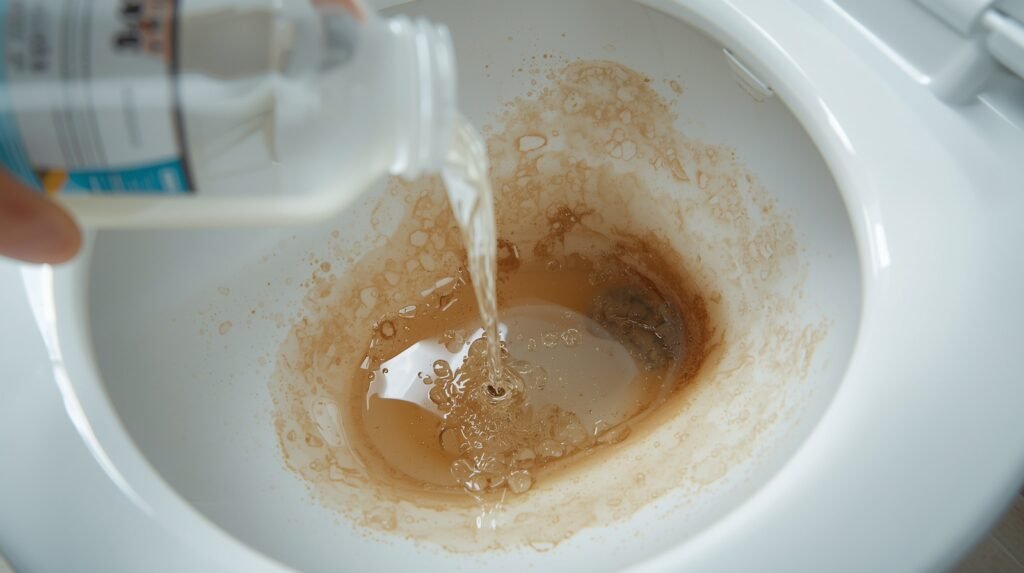
For more stubborn stains, allowing vinegar to set overnight makes for great results.
Baking Soda as a Mineral Lifter
Baking soda is an abrasive, albeit a rather mild one, that might be able to help you scrub your taps clean, taking the hardened minerals along with it.
- Sprinkle the baking soda on the stain.
- Drizzle in vinegar to produce a fizz.
- Let it work for 30 minutes.
- Scrub and flush.
This is best if you can see the stain, but it isn’t in a thick layer.
Professional Strength Treatment for Stubborn Brown Stains
If simple techniques do not work, then natural remedies with more therapeutic effects should be used.
Borax and Vinegar Combination
Borax helps to remove minerals without scratching porcelain.
How to apply:
- Pour loads of borax all over the bowl.
- Add vinegar until it coats the stained areas.
- Leave it on for an hour or two.
- Scrub gently and flush.
This process is particularly effective for stains with an iron content.
Citric Acid Treatment
Citric acid powerfully combats limescale and mineral deposits.
- Reduce the level of water in the bowl.
- Treat stains with citric acid powder.
- Let’s sit for one hour.
- Scrub and rinse.
This method mimics professional descaling treatments.
Using a Pumice Stone Correctly for Deep Mineral Buildup
Pumice is actually often misunderstood. When used properly, it is safe , and it works.
When to Use a Pumice Stone
Only use this technique when the stains look thick, crusty, or have resisted chemical cleaners.
Safe Technique to Avoid Damage
- Never use it dry: always soak the pumice stone in water.
- Always wet the surface of your toilet.
- Apply light pressure only.
- Stop immediately if scratching occurs.
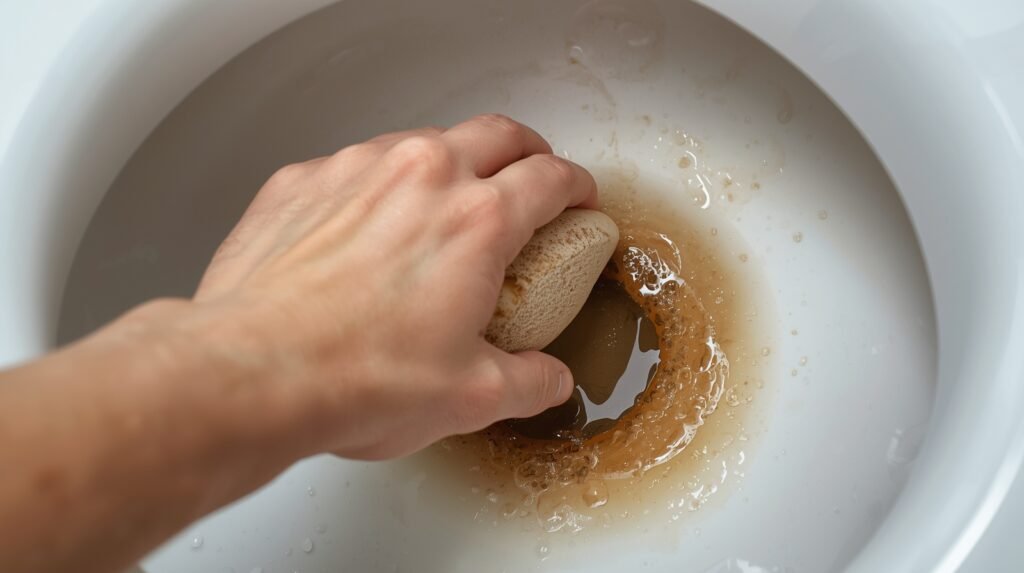
I have personally seen years-old stains disappear within minutes using this method when done carefully.
How to Get Rid of Brown Stains in Toilet Bowl Using Commercial Cleaners
Commercial Cleaners. For more severe stains, you may need to use commercial cleaners.
Selecting the Appropriate Cleaner
Look for products labeled for:
- Rust removal
- Lime removal
- Mineral buildup
Do not use cleaners designed only for surface disinfection: They do not dissolve minerals.
Proper Application for Best Results
- Apply cleaner directly under the rim.
- Allow full contact time as directed.
- Scrub gently.
- Flush thoroughly.
Never mix chemical cleaners, such as those at the store, with vinegar or bleach. For broader guidance on removing toilet bowl rings and preventing them from returning, refer to this comprehensive toilet bowl rings removal tips guide from Better Homes & Gardens.
How to Clean a Very Stained Toilet with Brown Stains
In cases of long-term toilet neglect or severe hard water, a deep cleaning is in order.
Lowering the Water Level
Shut off the water valve and flush once to release some of the water from the bowl. This exposes the entire stain and increases cleaner.
Layered Treatment Strategy
- Apply a mineral remover.
- Allow it to remain for the entire recommended period.
- Scrub gently.
- Repeat if necessary.
This layered approach avoids surface damage while breaking down deep deposits.
Why Do Brown Stains Come Back After Cleaning
So many people do successfully remove stains, only to see them magically pop up weeks later.
Continuous Mineral Exposure
Each flush introduces more minerals. Without prevention, buildup starts immediately.
Incomplete Removal
When minerals are still within pores in porcelain, stains come back quicker.
And that’s why the best treatment is prevention.
Continuing Long-Term Measures That Work
When you don’t have to clean up stains, it is a time-saver.
Weekly Maintenance Routine
Regular brushing once a week keeps the minerals from hardening.
Monthly Descaling Habit
But by applying vinegar or citric acid once a month, you can prevent buildup from ever being an issue.
Addressing Water Quality
Homes that have high iron or calcium can benefit from water filtration or softener systems.
Common Cleaning Mistakes That Make Stains Worse
Avoiding these mistakes is critical.
- Using metal scrubbers
- Over-scrubbing dry porcelain
- Letting cleaners dry on the surface
- Ignoring early discoloration
Scratched porcelain traps stains permanently.
Safety Guidelines When Cleaning Brown Toilet Stains
Safety has value, even in my scope of work, cleaning.
- Never mix cleaning agents
- Ventilate the bathroom Bathroom moisture can also encourage other hygiene issues, such as pink mold in shower areas, which is why proper ventilation and regular cleaning are essential.
- Gloves should also be worn when using stronger cleaners
- Rinse thoroughly between methods
These measures are good for health and plumbing, we like to say.
How to Get Rid of Brown Stains in Toilet Bowl Without Damaging Porcelain
Gentle methods always come first. Escalate only when needed. The idea is to remove these without wearing away at the surface of your floors, not to scrub like a mad person.
Porcelain is tough, but when scratched, it stains much more readily for eternity.
When Professional Help Becomes Necessary
If you continue to have stains despite multiple correct cleanings, it may not be on the surface.
Possible causes include:
- Corroded pipes
- Extremely high iron content
- Internal toilet tank issues
These issues can be exposed with a professional inspection.
Final Thoughts
Understanding how to get rid of brown stains in toilet bowl is therefore only possible if you bear in mind that these stains usually are based on minerals and not dirt. With correct treatment, even stubborn stains can be safely eliminated.
Concentrate on the type of stain and remove or prevent it with all your good habits! After this extra step, your toilet bowl will be perfect and stain-free.
2 thoughts on “How to Get Rid of Brown Stains in Toilet Bowl Permanently 2026”
Comments are closed.