

Ice Custody Cumberland County Corrections Officer
A jail worker from Maine found himself caught up in legal proceedings after being picked up by federal agents near Cumberland County. News channels started mentioning ice custody cumberland county corrections officer within hours of the arrest unfolding at the detention facility where he had been employed. Attention grew fast – someone tasked with overseeing inmates now faced oversight of a different kind. The shift happened overnight, turning routine job duties into national headlines without warning.
Now imagine someone working in jail suddenly being held by immigration agents. That might confuse folks not used to U.S. deportation rules. A guard ending up detained feels odd at first glance. What does it even mean to be in ICE hands? Some struggle with that idea. Local police reactions shift depending on the case. Federal moves against city workers stir tension now and then.
A deeper look shows there’s more going on than you first notice. County jails function in ways that aren’t always visible. Immigration authorities follow their own path, separate yet linked. When federal priorities touch local operations, tensions emerge. That connection sparked interest in the situation involving an officer at Cumberland County Corrections. By exploring these elements carefully, it becomes easier to understand why the ice custody cumberland county corrections officer case received significant attention and why it became part of broader conversations about immigration law and local law-enforcement agencies.
What the Ice Custody Cumberland County Corrections Officer Case Refers To
The term ice custody cumberland county corrections officer refers to a situation in which a corrections officer connected to the Cumberland County Jail was detained by the federal immigration enforcement agency known as ICE. Officials moved through the state pulling people in, including those working inside prisons. One arrest involved someone who guarded inmates but now faces deportation. A twist few saw coming unfolded when law enforcers turned on one of their own kind. Caught not in uniform, yet still taken – this case blurs where justice ends and policy begins.
Inside jails or detention centers, a corrections officer keeps watch over people awaiting trial or completing brief sentences. Safety within these facilities often rests on their ability to enforce rules without exception. Following protocols closely becomes second nature when every action counts. Their presence helps prevent chaos where order might otherwise fade quickly.
Working as a corrections officer means strict steps during hiring, like checking past records and work status. What stands out here is someone once trusted in police work ended up facing deportation.
Outside the prison walls, the event unfolded. Federal officers took hold of the official at a roadside check, caught off duty. Once taken, authorities handed him over to ICE, shifting gears toward visa checks.
Immigration and Customs Enforcement custody explained
Starting with the basics makes sense when looking at the ice custody cumberland county corrections officer situation. Knowing how ICE detention works clears up part of the story, how things work in real life situations. At times, a person might face hold by federal agents if suspected of breaking visa terms. These arrests come from a group known as Immigration and Customs Enforcement, or ICE for short. Officers take action when signs point toward possible deportation cases. Inside U.S. borders, this body handles rule enforcement tied to who stays and who does not, official ICE enforcement details. Once someone draws attention, detention could follow without warning.
Beyond just being watched, someone in ICE custody stays locked up as immigration staff examine their situation. Sometimes – though not always – a court date appears on the calendar, decided by judges who weigh if that person should stay or go.
Not like jail for crimes, holding someone over immigration falls under civil rules instead. The heart of it beats around legal residency questions, never about breaking laws. People might stay locked up during reviews; however, some walk free with conditions based on personal situations.
A frozen hold in Cumberland County tied to an immigration check, not charges. Jail staff handled it without court steps. In the ice custody cumberland county corrections officer case, the detention involved immigration review rather than a criminal prosecution.
The Role of the Cumberland County Jail
Inside Portland, Maine, sits the Cumberland County Jail – a place holding folks waiting on their day in court. Some stay there because they owe time for less serious crimes. Not unlike others across the U.S., it serves dual roles without fanfare. People move through for various legal reasons, each path different. Time here might mean trial prep or finishing a brief sentence.
When federal needs arise, the jail steps in under contract to hold people. Sometimes, space at local sites helps ease pressure elsewhere. Arrangements like these link city operations with national demands. Needs shift, so do housing solutions – flexibility matters. Contracts make shared use possible without permanent changes.
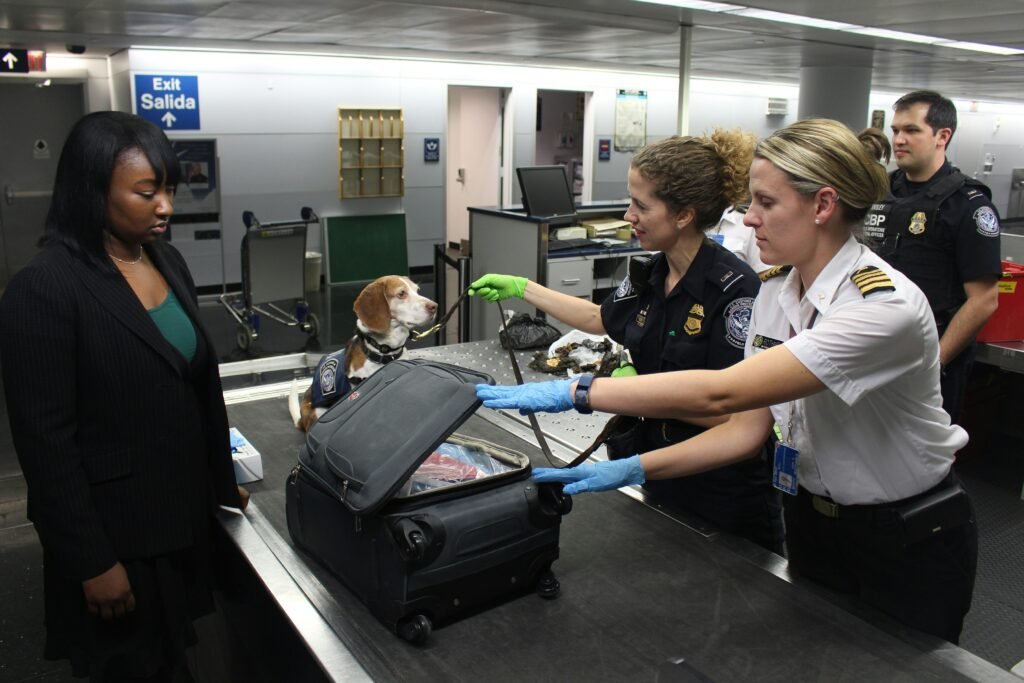
This connection meant past contact between the jail and federal groups already existed. Still, the case took a different turn when the person under scrutiny worked inside the facility instead of sitting behind bars.
It happens like this. A guard inside a prison starts taking part in actions that target immigrants. That kind of move grabs attention right away. Not because it’s common. But because folks assume these workers follow tight rules just to get hired. Standards matter here more than most realize.
Hiring Requirements for Corrections Officers
Starting out as a corrections officer in Maine means moving through multiple stages before stepping into a county jail role. Each stage helps confirm the person is ready to handle responsibilities within a controlled setting.
Most people applying for jobs send in papers showing they can legally work in the U.S. After that, companies follow government rules to check if hiring is allowed. Sometimes, a past crime might block someone from working at a prison – checks catch those cases before decisions are made.
Start strong at the Maine Criminal Justice Academy, where rookie correction officers begin. Safety steps come first during classwork there. Talking clearly matters just as much when things get tense. Dealing with inmate incidents forms a big chunk of what they study. Learning happens every day through real practice.
Questions popped up in the neighborhood once folks heard about the jail job mix-up involving an officer in Cumberland County, especially since checks were already done. With those steps finished, people started wondering just how work confirmations actually play out behind the scenes. Then came another layer – despite clear processes, immigration problems somehow lingered afterward. Details stayed unclear, yet concern stuck around like a slow drip.
Work Papers and Jobs for Immigrants
One important factor in the ice custody cumberland county corrections officer discussion involves the concept of work authorization. What matters here is whether officers can legally take on such duties. Not every position allows involvement with federal immigration tasks. Being cleared for this type of assignment makes a difference. Without proper status, participation becomes complicated. Rules around employment eligibility shape how local staff interact with these programs. Authority to act ties directly to documentation. That link affects daily operations behind jail walls.
Not everyone waits until their case finishes to start working here. When someone asks for asylum, or maybe another form of protection, they might get a chance sooner. A document arrives by mail sometimes, weeks after filing – this slip says yes, you can take jobs now. Officials hand out these permits if months stretch ahead before decisions come through. Holding one means showing an employer official proof: income is allowed while things move slowly behind desks.
Even if someone holds a work permit for many years, it doesn’t guarantee long-term residency. Renewals might happen during ongoing immigration reviews, yet approval to work isn’t the same as settled status.
Waiting months or years for a decision means people might already be settled – working, paying rent, building lives – by the time officials act. Surprise often follows when enforcement shows up out of nowhere.
A twist unfolded when icy conditions tied into a jail worker’s situation in Cumberland County. The ice custody cumberland county corrections officer case highlighted how these processes can intersect with employment in local government institutions.
Federal and Local Authorities Working Together
Federal authorities handle nationwide regulations like border control, whereas town-level departments take care of neighborhood safety and jails. Court systems in America spread across different levels of authority.
From the ground up, power over immigration actions sits with federal bodies, not city offices. Though towns check worker papers by the book, Washington keeps the final say on who stays or goes.
A cold morning at the Cumberland County jail drew attention when federal immigration agents arrived on their own to detain someone. Only once things settled did local deputies get a heads-up on what went down. Folks started asking questions – officers answered them straight, no detours. The whole thing unfolded without coordination up front, just separate gears turning in the machine.
It’s normal to see things like this happen where federal groups step in to enforce rules. Yet if someone tied to the incident is part of a city police department, people usually pay closer notice.
Public Response and Local Curiosity
When news about the ice custody cumberland county corrections officer detention became public, it sparked discussion across the community. People nearby began asking questions – what took place, exactly, how did things unfold. Curiosity grew as details trickled out slowly, piece by piece.
Now comes word from town gatherings and neighborhood broadcasts, where leaders shared details within reach on the situation. Curiosity rose around courtroom steps after someone gets held by border agents, though some turned attention to how jobs are filled and who qualifies to work.
Out of nowhere, reporters began circling when officials questioned how border crackdowns ripple into city-run offices. Workers wearing badges suddenly found themselves in headlines – proof that visa rules don’t just live in courtrooms but show up at desk jobs too.
Few people saw the full records, shielded by privacy laws. Yet town papers kept circling back to the arrest at the detention center involving a jail worker. Stories popped up now and then about how it unfolded near the state line. Rumors spread even without court documents. Some neighbors recalled hearing sirens that night. While the details of individual immigration cases can remain private due to legal protections, the broader circumstances of the ice custody cumberland county corrections officer story continued to be discussed in local media coverage.
Immigration Court What Happens Next
Once someone enters immigration detention, hearings often follow. These cases go before a judge who weighs each detail carefully. Staying legally in the country depends on how that review turns out.
Sometimes these sessions tackle big unknowns. Could there be unfinished paperwork tied to staying in the country? The judge might check if help is even an option under current rules. Then again, moving forward with deportation could still be on the table. What happens next depends on each detail unfolding.
Waiting months – or even years – is common when immigration matters move through the system. That delay happens since court schedules fill up fast, with countless hearings lined up ahead. Each person’s background must be looked at closely before any decision comes through. While they wait, some stay locked up; others go free but check in regularly with officials. The outcome hinges on factors like risk level and past history.
For the individual connected to the ice custody cumberland county corrections officer situation, the legal process continued after the initial detention, with immigration authorities determining how the case would proceed.
Why This Case Got So Much Attention
Every year brings countless immigration enforcement moves nationwide. However, the ice custody cumberland county corrections officer case stood out because of the professional role held by the individual involved.
Inside locked facilities, corrections officers spend each day among detained individuals and police personnel. Order stays steady because these workers watch inmate activity closely. Safety rules get enforced through constant oversight by the staff on duty. Supervision happens continuously, making sure routines run without disruption.
A person in that role stepping into immigration enforcement makes people wonder where job rules meet government work. What happens next often depends on unseen connections between systems meant to manage who works here.
Complicated rules often hide inside everyday paperwork. When it comes to moving across borders, permits for jobs mix with layers of government focus – clarity usually needs a deep dive. This situation made some people realize just how far immigration rules can reach into everyday work.
Broader Lessons from the Ice Custody Cumberland County Corrections Officer Case
The ice custody cumberland county corrections officer situation offers several insights into how different legal systems interact in the United States. A single case shows the tangled ways courts, sheriffs, and immigration teams operate together. What happens behind bars sometimes spills into broader debates about authority and process. Each player follows their own rulebook, yet outcomes depend on coordination. Power shifts depending on who holds a person first. Procedures clash without clear signals between departments. Confusion grows when roles overlap but missions differ. Local choices can trigger national consequences quietly. Decisions made in small offices ripple outward fast. The system bends where policies meet real people.
It turns out work permit checks and border law enforcement answer to separate rules. While companies stick to national standards when confirming who can work legally, officials focused on migration keep their own power to examine those situations later. A fact often overlooked.
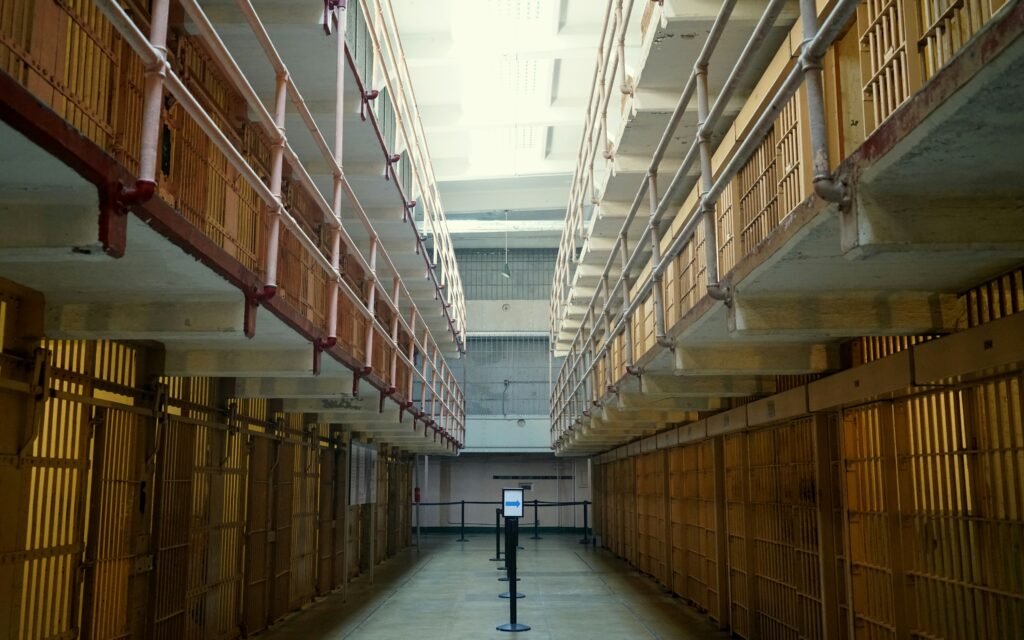
Here comes a twist in how paperwork drags on. People might already be working, settled into routines, when rules catch up months or even years later. That gap between starting a job and legal approval? It shapes outcomes in ways few expect.
It’s clear that everyday city offices can suddenly find themselves at the center of countrywide debates once immigration rules touch local workers. Happens all the time – people start asking questions, wanting to know exactly what’s allowed, how things actually run behind the scenes.
What happened makes more sense when you see how each piece fits. Understanding these dynamics helps provide a clearer picture of why the ice custody cumberland county corrections officer story attracted so much attention.
Conclusion
The ice custody cumberland county corrections officer case reflects the complex relationship between local employment, federal immigration enforcement, and the legal processes that determine immigration status in the United States.
A man who worked at the jail in Cumberland County got picked up by immigration agents one morning after a routine check. Questions started piling up fast – about paperwork, job eligibility, whether checks were done right. Courts decide each case on its own time, through hearings and filings that move slow. Yet here it showed how lives tangled with jails, guards, shifts can suddenly fold into national rules nobody saw coming.
Anyone trying to follow this story should know immigration enforcement runs on a federal level, touching people across different jobs. Because of how things like job screening connect to court appearances, the situation around the detention in Cumberland County makes more sense. That case involved a corrections worker held by ICE, drawing public notice over time. Looking at each step reveals why so many paid close attention.