
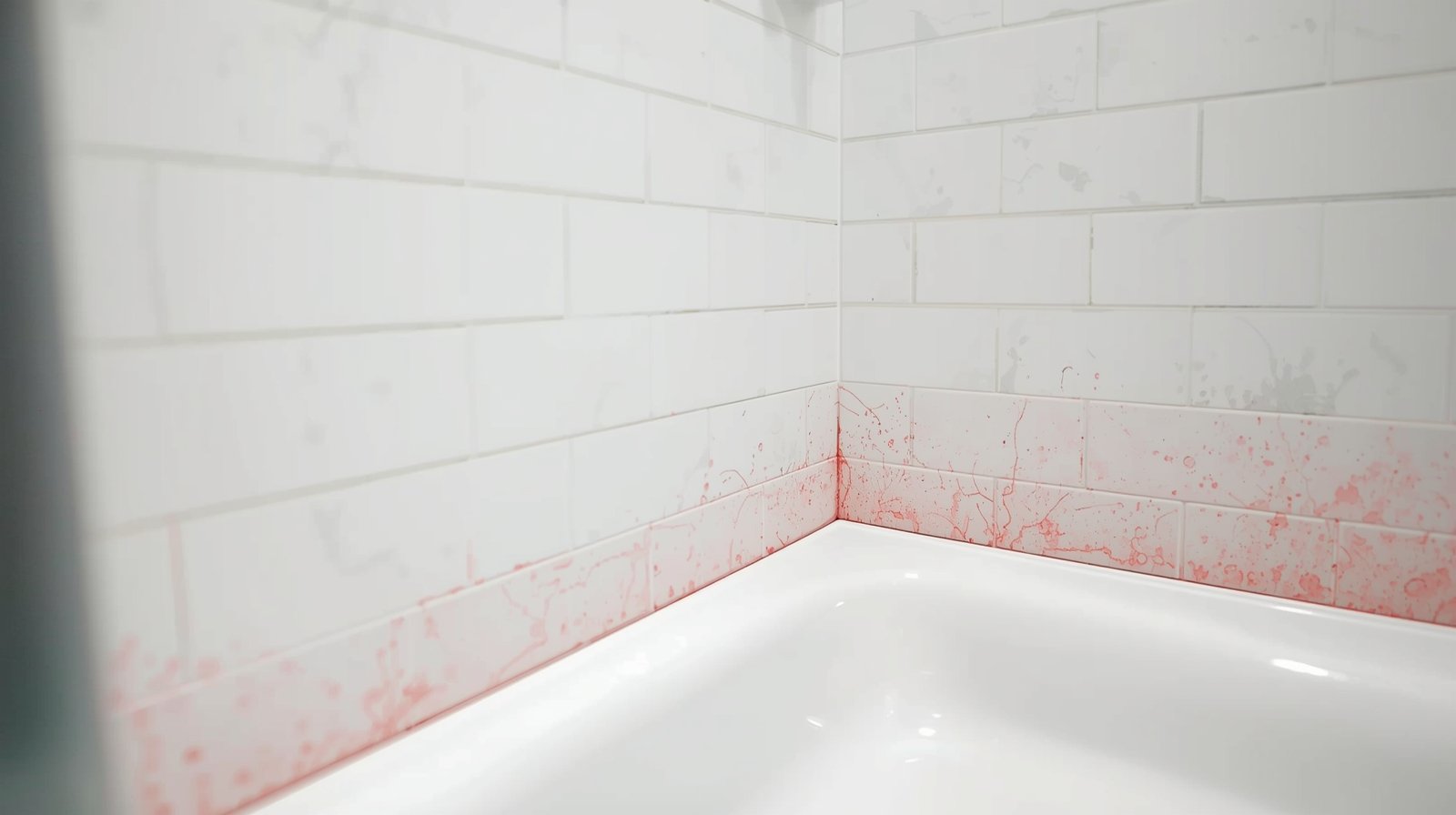
If you’ve ever seen a slimy pink film form in your shower, you might be wondering: Is pink mold in shower dangerous? And although it may seem scary, the good news is that pink mold is usually not as dangerous as black mold. That’s not to say it’s completely harmless, though. Learn what causes pink mold in the shower, how it develops, and how to get rid of it in order to maintain a clean, safe bathroom that’s comfortable for everyone.
In this guide, we are going to share everything you need to know about pink mold meaning, the dangers it can bring, why some people always have it back, and how to remove it effectively. We’ll also offer tips for prevention that busy people can follow.
What Is Pink Mold?
First of all, let’s define pink mold for what it really is. Despite the name, pink mold in shower is not actually a mold. It’s a bacterium known as Serratia marcescens. It loves moisture and warmth; hence, showers, sinks, and drains are ideal abodes for the bacteria.
The pinkish and red color you see is from a pigment the bacteria make called prodigiosin. This pigment is harmless in small amounts, but a sign that bacteria are multiplying. Occasionally, you might even notice it as stains of orange or red.
It’s good to note that in most cases, it should be absolutely just fine for the average person (meaning pink mold danger isn’t normally something to worry about), but for those with compromised immune systems or other health problems,it can pose a health risk.
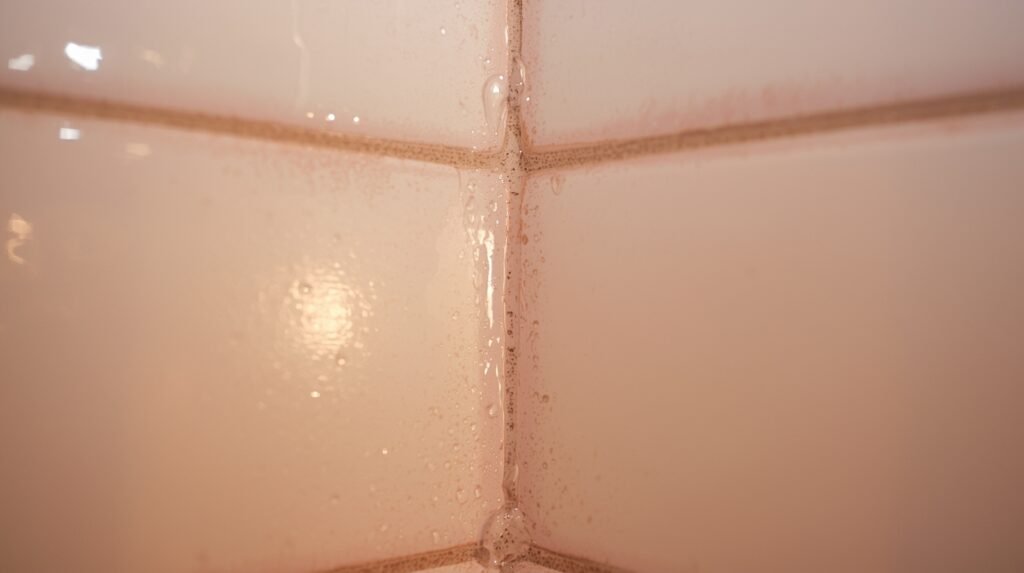
What Causes Pink Mold in Shower?
Knowing the reasons behind pink mold in shower can enable you to prevent it from returning. Here are some of the most common reasons it appears:
- Dampness: Pink mold loves damp environments. If your shower doesn’t fully dry after each use, it’s an ideal breeding ground.
- Soap scum and body oils: These organisms feast on lipid deposits from soap, shampoo, and body wash.
- Reduced air flow: If your bathroom is not well-ventilated, here will remain hot and humid, creating a perfect breeding ground for bacteria.
- Standing water: This traps water around drains, shower corners, or curtain folds and creates a perfect breeding ground for bacteria.
- Men may be more likely to add to pink mold: Yes, it’s true that pink mold can be found in areas where men frequently visit. Men can produce more body oils and sweat, which are likely to mix in with soap residue and provide feed for bacteria. And that is why pink mold men are more likely to find in public restrooms.
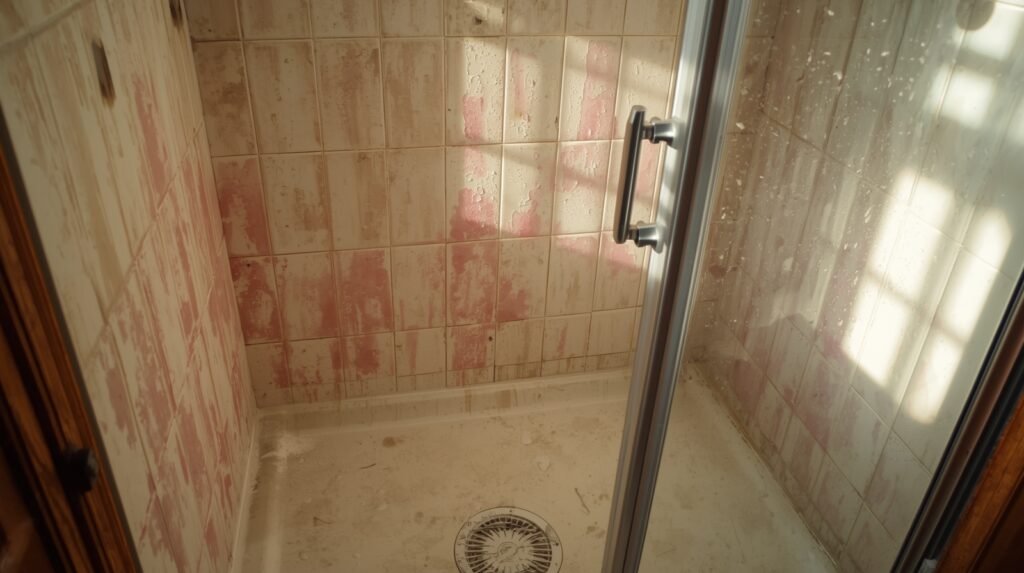
When pink administrative mold thrives under these conditions then it will come back fast, even after cleaning.
Is Pink Mold Dangerous?
So now for the big question: Is pink mold in shower dangerous? Mostly healthy adults’ answer is “no.”For most people, it’s a nuisance rather than any serious health threat. However, there are some considerations:
- Breathing problems: Although rare, inhaling bacteria from pink mold can lead to coughing or irritation. Asthma and allergy sufferers may experience worsened symptoms.
- Urinary tract infections: Serratia marcescens can cause UTIs in some individuals, but it is rare.
- Skin irritation: Sometimes, pink mold can cause rashes or skin irritation after prolonged contact.
- Immune-compromised individuals: People with weakened immune systems are more susceptible to bacterial infections stemming from their bathroom.
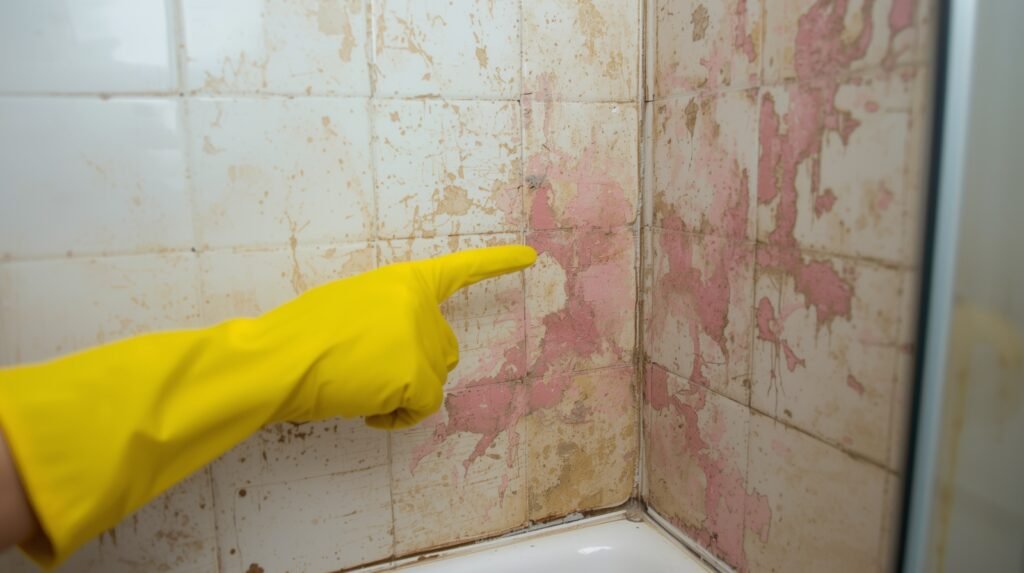
The takeaway: Although it’s harmless for most healthy adults, you don’t want this thing living in your shower. Better for hygiene and safety to keep it in control. Learn more about bathroom cleaning safety.
How to Get Rid of Pink Mold in Shower
It’s not difficult to clean pink mold in shower, but it does require an appropriate approach. Here’s a simple, step-by-step method:
Step 1: Gather Your Supplies
You’ll need:
- Rubber gloves
- Safety goggles
- N95 mask (optional but recommended)
- Gentle-bristled scrub brush or a used toothbrush
- Spray bottle
- White vinegar, baking soda, or a mold-killing cleaner
- Microfiber towels or a squeegee
Step 2: Protect Yourself
Wear gloves, goggles, and a mask. While pink mold isn’t particularly dangerous, you don’t really want bacteria all over your skin, much less in your lungs.
Step 3: Remove Soap Residue
Rinse with warm water on the affected areas. If soap scum, body oils, or mineral deposits are visible, then use a cloth or scrubbing brush to wipe them away.
Step 4: Apply Cleaning Solution
Here are some viable choices:
- Vinegar spray: M Put the same amount of white vinegar and water into a spray bottle and shake. Vinegar naturally kills germs and works well as a cleaner.
- Baking soda paste: Combine some baking soda with a little water or dish soap to make a paste. It acts as a gentle abrasive.
- Hydrogen peroxide: 3% hydrogen peroxide can be sprayed directly on the affected surface to disinfect.
Generously spray or apply the solution to tiles, grout, shower doors, and in corners. Allow to sit for 10-15 minutes so the biofilm can break down.
Step 5: Scrub the Area
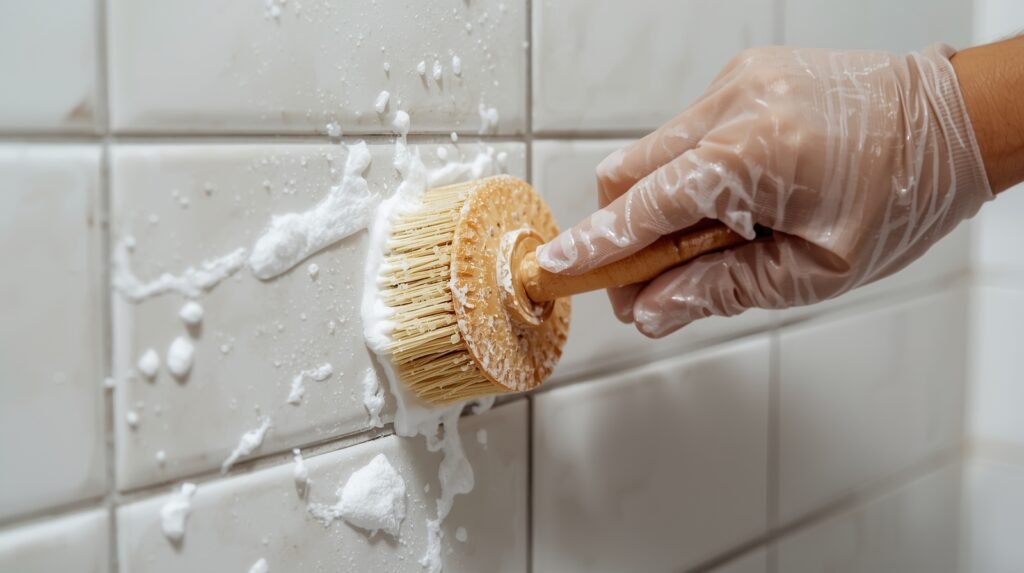
Scrub affected areas with a toothbrush (I mean with a soft brush). Scrub in several directions, up and down, long sweeps left to right, circular strokes, to cover all the angles.
Step 6: Rinse Thoroughly
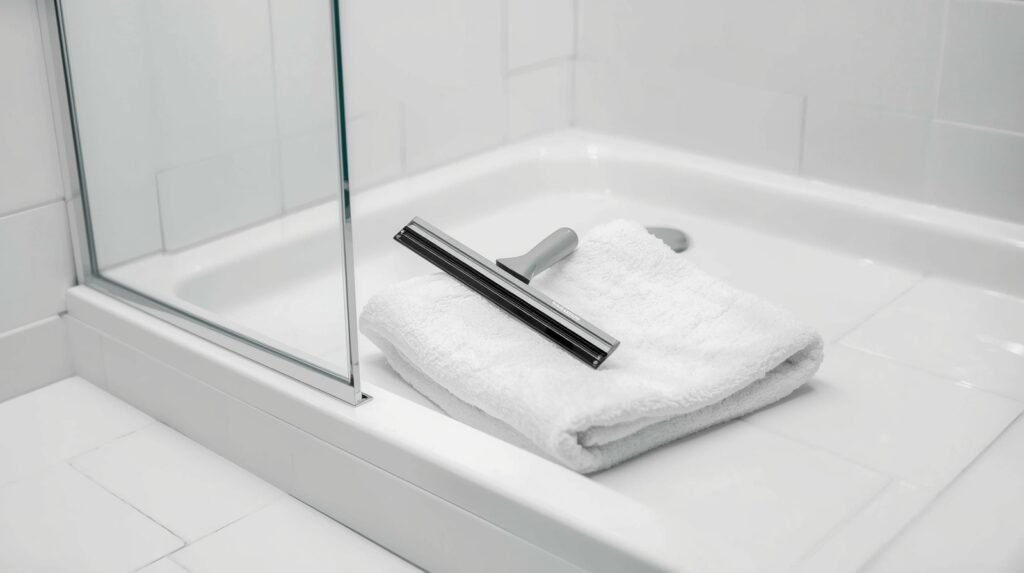
Rinse the shower well with warm water to rinse away any remaining bacteria or cleaning products. Dry all surfaces with a towel or squeegee because this mold loves water.
Step 7: Clean Shower Curtains
Don’t forget the curtains! If you have fabric curtains, launder them in hot, soapy water. Change out any plastic liners if they have pink mould growth on them.
Step 8: Repeat if Necessary
Repeat the cleaning process if necessary. Persistent pink mold generally indicates a moisture problem or poor ventilation that keeps the area damp.
Does Vinegar Kill Pink Mold?
Yes, vinegar does kill pink mold in your shower most of the time. Its acidity smashes up bacterial cell walls, and if used consistently, can also stop mold from coming back. A weekly spritz with a little vinegar can work wonders against shower crust.
What to Do to Keep Pink Mold from Returning
It’s easier to prevent pink mold than to deal with it once it grows. Here is what you need to know about how to keep your shower clean:
- Dry surfaces after use: Wipe dry with a squeegee or towel.
- Increase ventilation: When you shower, and for some time after, keep a window open or use an exhaust fan.
- Clean regularly: Keep soap scum at bay with weekly cleaning.
- Stop leaks: Leaky faucets or showerheads contribute to the constant presence of moisture.
- New caulk or grout will go a long way: Damaged areas collect water and bacteria.
- Consider the men’s factor: Bathrooms used by men likely require additional cleaning due to greater oils and sweat left behind.
Consistency is key. With a few small daily habits, you can prevent pink mold in shower from ever becoming a problem.
Common Myths About Pink Mold
- It’s a true mold: Not true. It’s bacteria, not mold.
- It’s very deadly: Typically, it isn’t dangerous to healthy people.
- The only cure is: Bleach, Vinegar, baking soda, and hydrogen peroxide can be useful.
Knowing the truth allows you to go into cleaning without dread or frustration.
Red Flags You Need to Consult a Professional
Crucially, most pink mold is manageable at home. However, call a professional if:
- It keeps returning even after cleaning properly.
- Your bathroom already has other types of mold (black mold or green).
- You or one of your relatives struggles with chronic health issues that might be related to bacterial exposure.
An experienced mold remediation pro can discover these secret sources of moisture and take the necessary steps to help make your bathroom safe.
Conclusion
Pink mold in shower may not seem like the worst thing, but it can still be unsightly and even unhealthy, and you can explore helpful home care resources to stay on top of regular cleaning. It is, in fact, a bacterial biofilm that flourishes in warm, moist environments, feeds on soap and body oils, and can be addressed by regular cleanings and moisture control.
By knowing what causes pink mold in shower curtain, applying cleaning methods that work, and using preventative habits, you can have a clean, safe, and fresh bathroom. Keep in mind, even the commitment of drying your shower with a towel can be incredibly rewarding.
And yes, vinegar does kill pink mold, so it is a simple and natural substitute that’s safe for regular use. Whether you’re struggling with a pesky stain or simply want to avoid the smell of your bathroom, these tips will enable you to take charge of that unwanted guest.
Keep your showers clean, ventilated, and dry, and pink mold will be a thing of the past.
One thought on “Is Pink Mold in Shower Dangerous? Key Risks, Causes, and Safe Cleaning Tips 2026”
Comments are closed.