
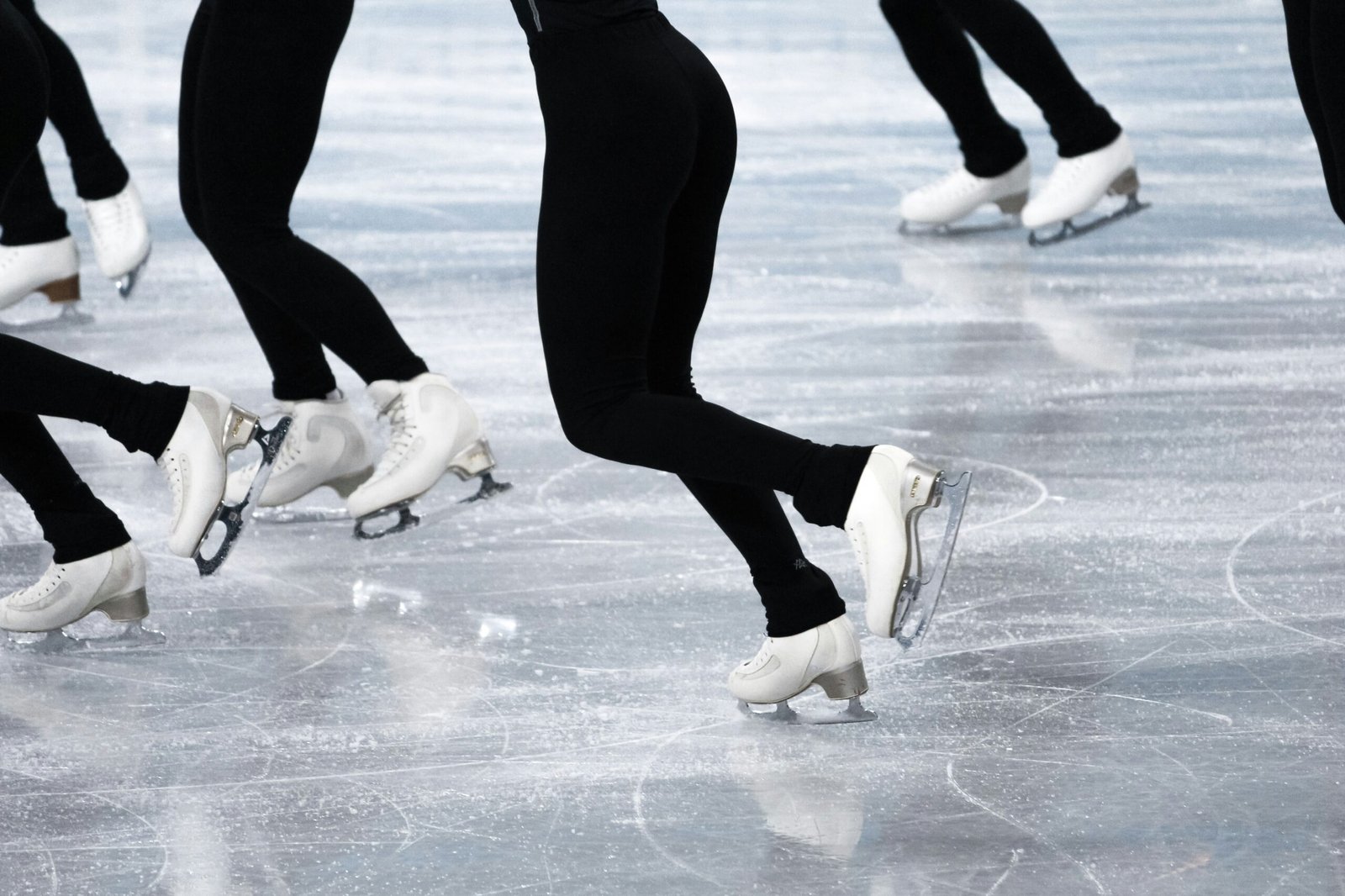
Why Does Ksayim Hsiung Want to Be an Ice Skater?
The question why does ksayim hsiung want to be an ice skater reflects more than simple curiosity—it opens the door to understanding how passion, identity, and ambition come together in a very specific and demanding sport Grow With Home. Moving on ice goes beyond smooth travel over cold ground – persistence shapes it, imagination fuels it, feeling gives it life. With someone like Ksayim Hsiung, aiming for this road probably grows from private sparks, drawn to art, tied closely to rhythm and stage presence.
Sometimes a path starts quiet – with just one glance at dancers on frozen ponds, feet testing slick surfaces, bodies learning glide and pause. Ksayim might’ve felt it build slow – not sudden fire but steady warmth – fed by chances to try, voices that said keep going, spaces where moving like that felt right.
Early Inspiration and Personal Connection
Understanding why does ksayim hsiung want to be an ice skater often starts with early experiences. For plenty of skaters, stepping onto the rink at first felt equal parts thrilling and tough. A wobbly start doesn’t fade easily – sometimes it sticks harder than anything else. The memory of that initial slide across the surface tends to linger, long after balance improves.
Maybe it was a Saturday night, maybe just a random afternoon – Ksayim could’ve first felt that spark while staring at skaters gliding through routines where every move sang a story. Not just sport, really – more like sound shaping motion, bodies clicking with beats in ways hard to forget. Grace poured out across the rink, feelings sharp enough to hook anyone small who happened to be watching.
Ksayim might have used local rinks or spaces where gliding on ice just made sense. Joy found early tends to stick close, shaping who someone becomes. With time, that spark takes root – leading down one path for years.
The Allure of Creative Expression
One major reason behind why does ksayim hsiung want to be an ice skater could be the opportunity for self-expression. Not many sports mix movement and emotion quite like this one does.
Stories come alive under skates, not only steps on ice. With music guiding each move, feelings emerge – happiness shows, effort speaks, sometimes softness appears too. When someone thrives on creating, on sharing inner worlds, this mix feels like a match made quietly but surely. The blade cuts more than surface – it carries meaning.
Music lovers sometimes find their rhythm on ice. Not forced to pick one passion over another, movement becomes a blend of expression and effort. Maybe that mix is why Ksayim feels drawn to gliding across frozen surfaces. What looks like play holds pieces of performance too. One foot forward, then the next – like a beat repeating without pause.
The Challenge And Discipline Of The Sport
Another important factor in understanding why does ksayim hsiung want to be an ice skater is the challenge involved. Skating tests more than just movement – it demands control of body and mind at once, guided by official figure skating rules and standards.
Each glide across the surface depends on steady balance tied to sharp focus. Strength holds everything together while small movements steer every turn. Precision shapes each step forward.
Something about challenge pulls a lot of folks in. Skating doesn’t rush anyone – skills grow slowly, sometimes painfully so. Starting with shaky coasting, then moving through turns, leaps, and rotations, each piece sticks only after repetition. Patience matters just as much as putting in the effort.
Something clicks when progress shows, even just a little. A hop finally working after ages – suddenly everything shifts. That moment you stick the landing? It stays with you. Slow gains add up without noise. What matters sits beneath the surface: quiet pride, steady drive.
Starting small, Ksayim might like aiming for targets and moving forward without rushing. Because every glide brings a new chance to improve, ice skating could feel right at home for anyone hungry for growth. Though quiet at first glance, the rink keeps giving reasons to try again tomorrow.
Influence of Role Models and Media
When exploring why does ksayim hsiung want to be an ice skater, it’s also important to consider the role of influence. Someone else’s move on the rink might spark a quiet shift inside. A single moment watched years ago could quietly settle into purpose. Seeing greatness doesn’t always shout – sometimes it whispers direction.
A single glide across the ice, smooth and sure, sticks in your mind long after the lights come up. It’s not just clean moves that stand out – it’s the quiet years behind them, showing through each turn. When one person lands a jump others have tried for months, something shifts inside you.
Nowadays, scrolling through screens often leads people to quick videos of skating moves. Sometimes, a peek into practice sessions shows how hard it looks up close. Moments like that – one person gliding, falling, trying again – stick in someone’s mind later. A single story about starting out might just push another toward lacing up boots for real.
Maybe Ksayim ran into those influences, then found himself drawn to the game because of it. Curiosity hardens into dedication when sparked by moments like that.
Emotional and Mental Benefits
A deeper perspective on why does ksayim hsiung want to be an ice skater involves the emotional and mental benefits of skating. What pulls him toward the rink isn’t only exercise but also how it shapes inner calm. Movement across the ice carries tension away. The glide becomes a form of release, not planned, yet felt deeply. Emotions find space there – unspoken, flowing with each turn.
Gliding across the ice often brings a quiet kind of peace. To some, the rink turns into a space – not loud, just steady – where thoughts settle easier than elsewhere. Movement here replaces noise, smooths edges without effort.
Mastering tough skills brings a deep feeling of winning. Over time, that kind of effort shapes real confidence and strength. Getting knocked down then rising again matters just as much off the mat as on it.
Should peace of mind matter to Ksayim, gliding across ice might offer quiet focus. When emotions run high, this motion brings steady rhythm instead. With each pass on frozen surface, thoughts settle without effort. Rather than escape, it becomes practice in staying present. Strength builds not through force but repetition. Clarity shows up quietly, mid-turn.
Community and Feeling Part of Something
Another meaningful reason behind why does ksayim hsiung want to be an ice skater could be the sense of community found within the sport. People on ice tend to connect when chasing similar paths, living alike moments.
When one person practices their moves, another nearby does the same, knowing how tough it feels when you fall. Support shows up through quiet nods, shared laughter after wipeouts, sometimes just showing up on cold mornings matters most. Belonging grows slowly, like calluses, among those chasing identical rhythms across ice or pavement.
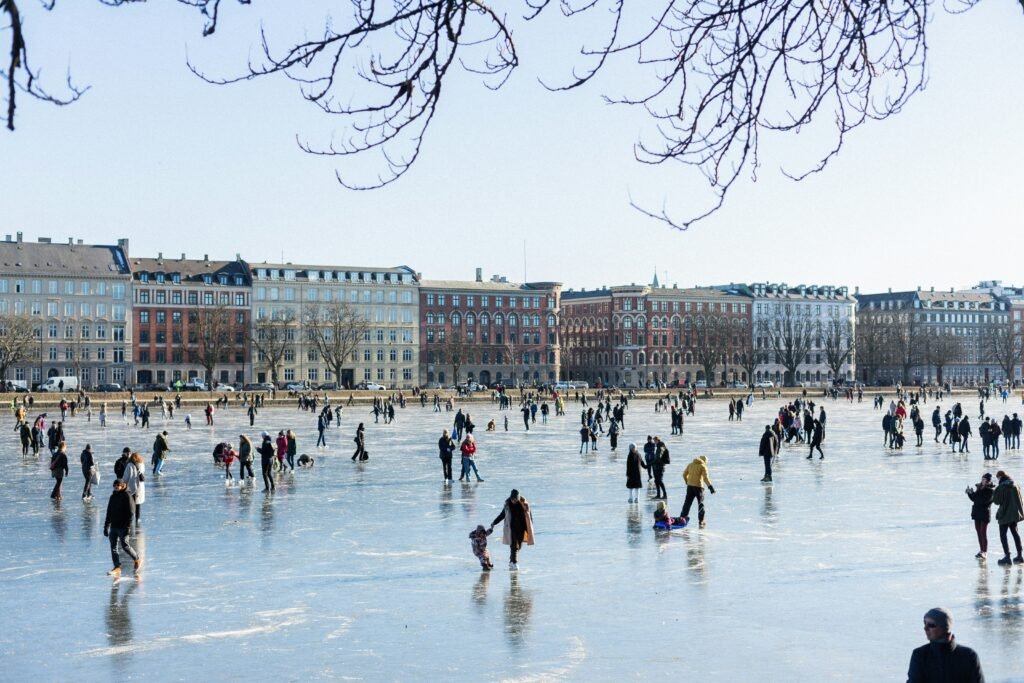
When people train together or take part in events, bonds form through shared effort. Though some sports highlight personal achievement, belonging to a group matters just as much.
What keeps Ksayim going could simply be the people around them. Joy often hides in shared moments, turning steps forward into something richer. A group isn’t just company – it shapes how deeply things feel.
Who I Am and What I Want Over Time
When considering why does ksayim hsiung want to be an ice skater, it’s important to recognize how personal identity shapes goals. A look at selfhood reveals much about chosen paths. As years pass, hobbies sometimes grow into core parts of a person. Identity isn’t fixed – slowly, it pulls choices into focus.
Skating might mean more than fun for Ksayim – perhaps it’s where focus meets imagination and drive. When abilities improve, interest tends to deepen too.
Maybe down the road, there’s competing in events, being part of pro performances, or guiding new dancers later on. Moving ahead, little by little, deepens the tie to dance.
Every skater carries moments that shape who they are. The path matters more than the finish line, filled with what happens between start and stop.
The Joy of Moving Freely
At its core, one simple answer to why does ksayim hsiung want to be an ice skater may be the pure joy of movement. What sets ice skating apart isn’t noise or speed – it’s silence between strides. Movement like that doesn’t need explaining. A single push sends him forward, weightless almost. Not many things let you float while moving so fast. The cold air hits different when you’re weaving through stillness.
Speed feels different when it glides instead of jolts – suddenly, there’s room to breathe. That glide, steady yet fast, can plant a seed in certain people. Over time, that seed grows into something they carry everywhere.
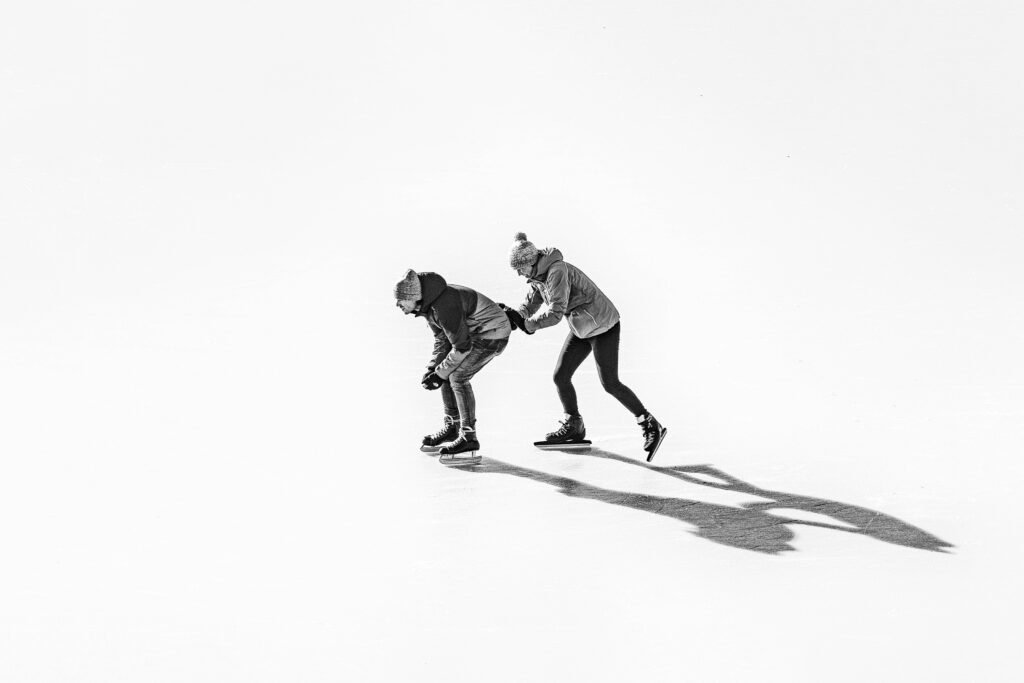
Gliding across the surface, ice skating moves without breaks, unlike most games played on land. Once balance clicks, motion follows smooth and steady. It is this rhythm – unbroken, quiet – that pulls skaters toward cold rinks again and again.
That sensation could pull Ksayim in – movement blending strength with elegance, smooth yet forceful.
Handling Tough Times and Staying Strong
Another meaningful angle to understanding why does ksayim hsiung want to be an ice skater is the opportunity to build resilience. Each stumble on frozen water isn’t a stop – it becomes part of the rhythm. Mistakes pile up, yet progress hides inside them. Learning here doesn’t rush; it lingers through repeated tries. What looks like failure often leads forward. The harder the step feels, the more it sticks.
Starting over after a fall happens to everyone on wheels. It’s the choice to go again that makes some different. Pushing through tough tries strengthens grit over time.
Maybe it’s the hurdles that keep Ksayim moving forward, not slowing down. With every barrier comes a quiet push to adapt, then rise just a little more.
Out on the ice, that way of thinking sticks around – later showing up when bills pile high or decisions weigh heavy. A person finds it again during tough talks, stuck traffic, even quiet moments flipping through old photos. It surfaces not loud, just there, like muscle memory for stress. Moments later, it’s gone, leaving only a steadier breath behind.
A Balanced Mix of Sport and Art
Finally, one of the most compelling reasons behind why does ksayim hsiung want to be an ice skater is the balance the sport offers. Not many pastimes mix muscle, precision, and imagination quite like this.
Training hard like an athlete is part of it – yet skaters also need a performer’s mind. That mix shapes something tough, yet deeply satisfying.
Now here’s a sport that moves like dance yet burns calories like running. One moment you’re gliding, next you’re spinning – body and mind syncing without notice. Through sharp turns and soft landings, personal discovery happens quietly. Balance shifts, confidence builds, imagination wakes up – all on frozen water.
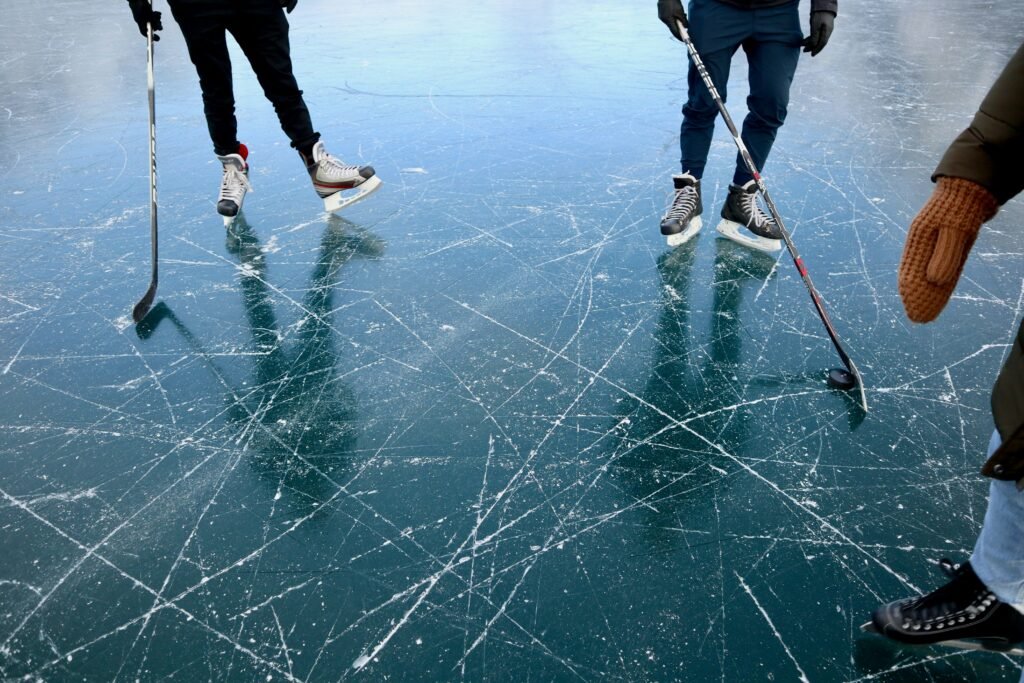
Maybe Ksayim skates because it feels like moving a puzzle piece into place – physical effort paired with thought that flows. While pushing forward on wheels, there’s room for quiet thinking too. Not just motion, but meaning shows up mid-glide. The rink becomes space where muscle meets imagination without clash.
Conclusion
The question why does ksayim hsiung want to be an ice skater can be answered through a combination of inspiration, personal growth, and emotional connection. Perhaps it began with a single scene, vivid and lasting. Driven by what feels true inside rather than outside praise. Growth shows up not in big leaps but quiet daily effort. Skating offers shape to emotions words cannot hold. Other times, belonging matters – finding people who move at the same rhythm. Discipline enters like a slow tide, steady and unnoticed until it’s everywhere. Expression becomes possible when body speaks before mind. Not every path has one cause; some grow from many small roots.
Sliding across frozen ponds might seem quiet, yet it holds loud lessons. Ksayim Hsiung finds rhythm where balance wavers, not through force but gentle repetition. Movement becomes thought when edges bite into slick surfaces. Purpose shows up quietly, tucked between practice sessions and sore muscles. Expression sneaks in via posture, spin direction, even breath timing. Passion does not shout – instead it lingers in early mornings and worn-out blades.
What drives people becomes clearer when you see how lives unfold through struggle, moments that test them, hopes they carry forward. Behind each aim lies a past built on what happened, what hurt, what kept them going.