

The topic age at which tiger woods nyt That moment sticks – watching a toddler swing a club on TV, serious beyond years. Newspapers didn’t just report scores; they tracked a phenomenon unfolding. By age twenty-one, major wins piled fast, rewriting what seemed possible. Not every athlete carries that kind of weight so young. The New York Times kept returning to him, year after year, tracing shifts others missed. His career became more than stats – it shaped how fans saw talent, drive, pressure. Time stretched differently around figures like Woods. Peaks once thought distant arrived suddenly, then stayed longer than expected.
Numbers alone miss the point when it comes to Tiger Woods’ life stages. What matters unfolds through moments where skill met relentless practice, each era guided by precise choices. A closer examination – rooted in verified facts – shows turning points others often overlook. Context shifts everything, bringing his path into sharper view, one chapter at a time.
When It First Began
When discussing the age at which tiger woods nyt articles often begin, the story almost always starts incredibly early. Before others could tie their shoes, he was already lining up putts like a pro.
Little more than a toddler, he first held a club thanks to his dad, Earl Woods, as highlighted in NYT coverage of Tiger Woods’ early milestones. At three years old, cameras captured him performing moves most adults couldn’t manage. That moment on TV stunned audiences who didn’t expect such precision from someone so young. Behind those flashes of skill sat careful training, not random games in the yard. Talent helped, yet routine practice shaped much of what people saw.
Little did anyone know, a five year old stepping onto magazine pages could shift how we see young talent. Not just golf coverage changed – expectations bent around his first swings.
It’s his speed in building steady performance that stands out, not only his age. While plenty of kids display brief moments of skill, staying on course like he did? That happens far less often.
Teenage Years Building Competitive Strength
Another key phase often highlighted in discussions around the age at which tiger woods nyt coverage focuses on is his teenage period. That stretch stands out, not always by name but through quiet emphasis. Coverage leans into those formative struggles without calling them that outright. Moments off the course slip in beside tournament results. A pattern forms slowly, built more on repetition than bold claims. Even small details gain weight over time. What feels like background noise starts shaping the story. Readers absorb it before they notice. The timeline bends slightly toward youth. Not every article shouts it. Still, the thread runs deep. Later success gets framed long before it arrives.
At fifteen, Tiger Woods took home the U.S. Junior Amateur title. That win marked a shift – people stopped seeing him as just talented youth, instead noticing real competitive strength.
Years passed, yet each season added proof – he stayed at the top without faltering. Victory came again, then once more, building a streak that set records before anyone expected. While others cracked under weight of expectation, he moved calmly through crowds and competition alike. Skill mattered, yes; what stood out was how steady he remained when everything counted.
Focusing on routines, Woods shaped a sharp mental approach back then. Not just studying hard but also pushing through tough workouts kept his game strong – this mix eased his move into tougher golf circles. Each part fed the next, steady effort making the jump feel natural.
College Years Shaping Skills And Strategies
Tiger Woods enrolled at Stanford University at age 18. This phase is often referenced in deeper analyses of the age at which tiger woods nyt narratives because it represents a bridge between amateur success and professional readiness.
A title at Stanford came his way in ’96 through an NCAA win. Though just two seasons long, those college days sharpened how he planned each move, along with his calm under pressure.
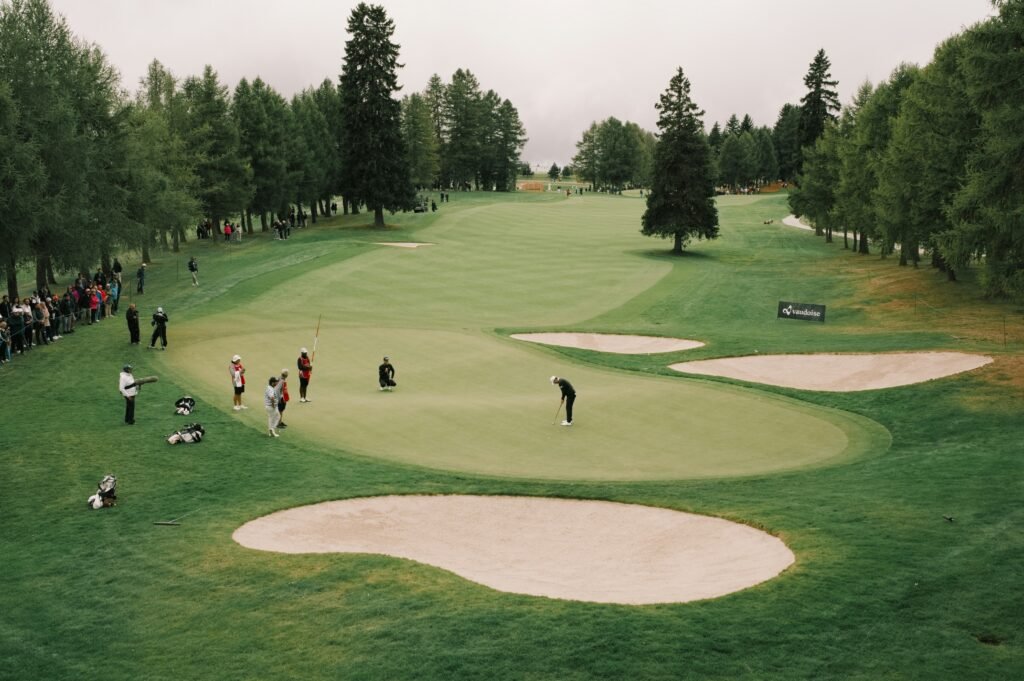
Back then, raw skill grabbed attention. Now it’s different – routine shapes every round, choices on the fairway matter more, steady play becomes the norm. What lifts someone from solid to standout lives here.
When People Start Calling It a Career
One of the most significant answers to the question of age at which tiger woods nyt discussions emphasize is when he turned professional. What matters most tends to center on that shift into professional play. Moments before that leap fade behind its importance. The exact year gains weight because of what followed. Not every milestone gets equal attention. That particular step forward pulls focus each time.
Back then, he went pro just after turning twenty – that was in 1996. Tiger Woods made the leap into professional golf around that time.
Right away, things shifted in his favor. By midyear, tournament wins piled up – two on the PGA circuit – and recognition followed: Rookie of the Year honors landed firmly in his name. Not a slow climb, but a sudden leap forward changed everything. The moment arrived without warning.
At age twenty, going pro stood out – not just a milestone, yet proof of readiness in body and mind. While most spend seasons finding their footing, Woods settled in like he’d arrived earlier.
Age 21 Marks Historic Shift
Perhaps the most frequently cited milestone in the age at which tiger woods nyt conversation is his performance at age 21.That moment sticks out more than others when people talk about him. It wasn’t just what he did, but how early it happened. A quiet shift took place then, barely noticed at first. Now, looking back, that year carries weight few could have guessed. Few careers light up so fast and stay lit so long.
That April, Tiger Woods took the green jacket with a win nobody saw coming. A record gap between him and second place made headlines. At just twenty one years old, he stood as the tournament’s youngest ever winner.
Not simply a triumph – this moment changed everything. Golf has never been the same since that day. With quiet power, bold presence, and flair, he pulled in countless newcomers to the game. From that point on, young eyes began watching differently.
Most players at age twenty one are just finding their stride. Yet by then, Woods had already done what others aim for over years of trying.
Peak Years His Late Twenties Early Thirties
When analyzing the age at which tiger woods nyt articles explore peak performance, his late 20s and early 30s stand out. His career phase just after twenty-eight, also around thirty-two, shows up often. Coverage tends to highlight play during that stretch before he turned thirty-four.
At age twenty four, Tiger began a run unlike anything seen before. By thirty two, he had claimed several majors, each victory tightening his grip on the top spot. Seasons passed with him leading the global rankings, week after week. His presence reshaped how golf was played, expected, won. Few athletes have controlled their field so completely. That era belonged entirely to him.
Fitness of body matters most when years pass without drop in level. What stands out here isn’t just skill, yet how long it holds firm. Staying sharp demands more than effort – it leans on grit, recovery, shifting tactics quietly. Performance at its height year after year? That grows from routine choices unseen.
Take Tiger Woods. His swing changed – not just once, but multiple times – simply because the game demanded it. Staying on top meant adapting, nothing less. That shift, again and again, explains why he lasted so long at the highest level.
Mid Career Hurdles and Revivals
Another dimension often covered in age at which tiger woods nyt reporting is how age interacts with challenges. Sometimes it’s injuries slowing momentum. Other times it’s younger rivals shifting the game’s balance. Experience brings weight, yet time pulls differently now than before. Moments once taken for granted need more effort today. The body responds slower, recovery stretches longer. Still, presence on the course carries echoes of earlier dominance. Each round adds layers to what persistence looks like at this stage.
By the time he reached his thirties, pain and private struggles began catching up to him. His game felt the strain – rhythm broken, momentum stalled for a stretch.

What catches attention isn’t just skill – it’s how he finds his way back. Returning to form post-injury? Not common in athletics. Still, Woods kept moving forward, one step at a time.
Nowhere else in his journey does time feel quite so revealing – less about years passing, more about how much pressure one can hold. A later chapter, yes, yet defined less by when than by what stays standing.
At 43 he came back
At forty three, Tiger Woods claimed a win that stands out through time. That moment hits different when you see how far he’d come. Hard work showed up loud there. Not many expected it then. The years had shaped him tougher. Triumph arrived late but real. Age did not block his path – it highlighted it.
Back in 2019, victory found Tiger Woods at the Masters – over twenty years since he last wore that green jacket. Headlines lit up; people called it a return unlike most ever seen on golf’s stage.
At 43, victory hits different – proof that greatness isn’t locked to youth. Strength of mind, shaped by years, often matches raw speed or power. What counts isn’t age, but how you use what time has given. Moments like these shift how we see limits. Power comes not just from muscle, but choices made under pressure. Older doesn’t mean slower – it means wiser. Victory here speaks louder than records.
This win meant more than a game to countless followers. Overcoming obstacles stood at its core, yet it also showed quiet strength through hard times.
Age in Tiger Woods Story
The reason the age at which tiger woods nyt topic continues to draw attention is because it offers a structured way to understand his journey. Sometimes moments like that act less like dates and more like signposts. One thing leads to another, sure, yet here the spotlight fell right where shifts began. It wasn’t sudden fame but layered steps that caught eyes. A quiet climb often shows clearer once framed by headlines. That point didn’t start the story – just made it easier to follow.
Each stage represents a different lesson at Grow With Home.
Early childhood shows the importance of exposure and guidance
Teenage years highlight competitive development
Early adulthood demonstrates readiness and execution
Later years emphasize resilience and longevity
What you are is shaped by years passing. Each stretch brings change, tests faced, moments earned.
What Life Teaches Us
Age shapes how we see Tiger Woods’ path. One way into his story comes through the years he’s lived. Time marks every phase in clear ways. What stands out grows clearer when viewed across decades. Each stage carries its own weight. Moments gain meaning by when they happened. His journey unfolds differently depending on where you stand. The long view changes what matters most.
Early beginnings help, yet they’re far from the sole route to getting ahead. Sticking with it, showing up day after day – that shapes outcomes more than timing ever could.
Hard times come up now and then, just like rain in spring. Tiger Woods kept going even when things fell apart – proof that slipping doesn’t mean staying down. Bouncing back often follows long stretches of struggle, especially when you refuse to quit.
When it comes to sports, schoolwork, or jobs, those insights still matter. Though different paths unfold, what’s learned sticks around. Following any path – each with its own demands – the takeaways stay useful. Even if goals shift, such understanding doesn’t fade. Where effort goes, that wisdom applies just the same.
Conclusion
The question of age at which tiger woods nyt discussions focus on opens the door to a deeper understanding of one of golf’s most iconic figures. A look at timing shows more than just years – it reveals moments that shaped a career others follow. Each mention ties back to shifts in how people see greatness unfold.
Starting small, a child with a golf club in hand grew into someone who claimed top honors past forty. His path unfolded through years marked by progress, sharp skill, followed by strong comebacks. Age after age added layers – not just wins but grit too. Each stage showed change without fanfare, simply steady motion forward.
What stands out isn’t the timeline, instead it’s his reaction at every turn. This difference shapes a path unlike others, one that lasts.