
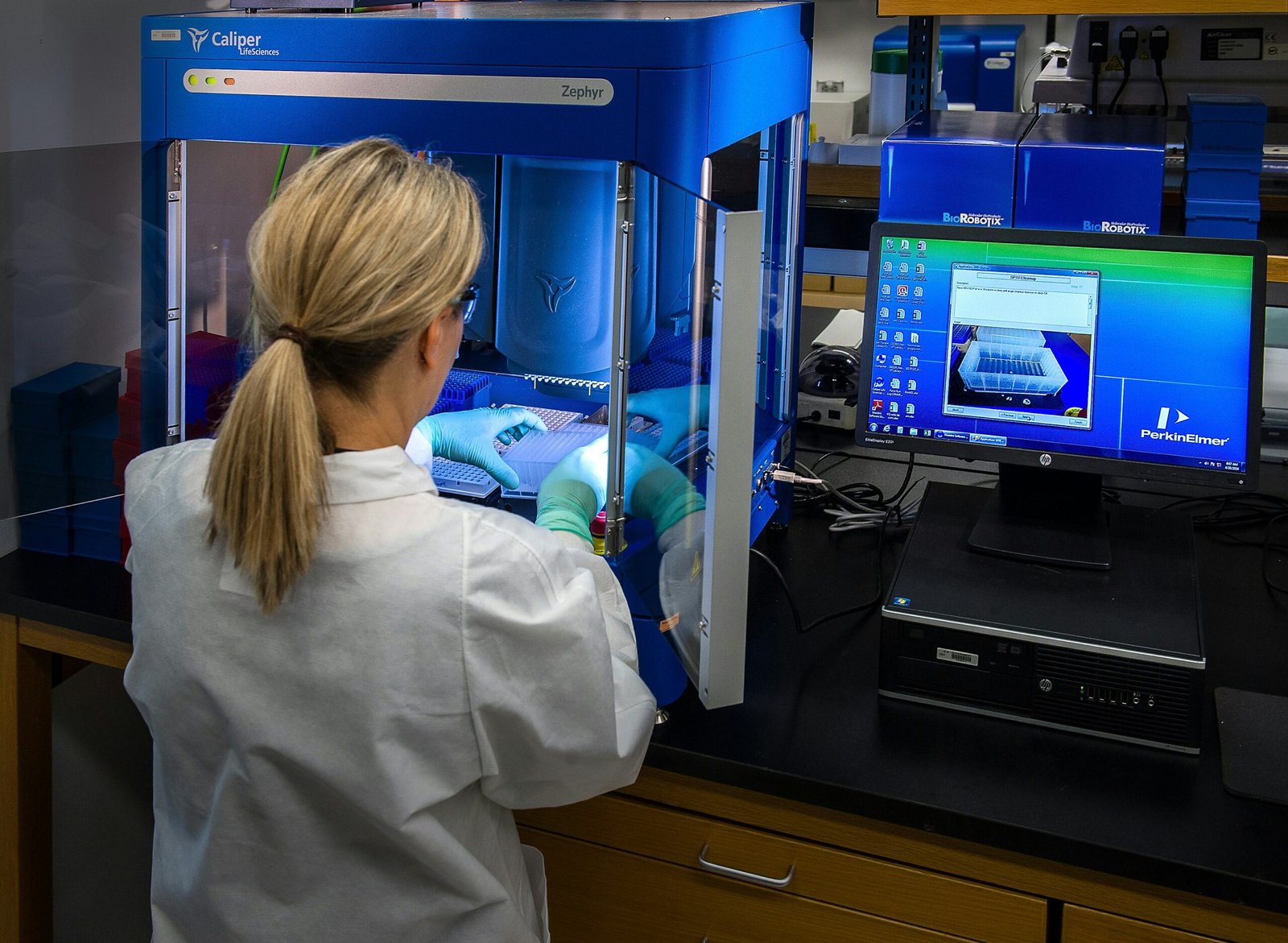
Outcomes often hang on how well things are timed. When shifts get mixed up, units might find themselves short handed. Care slows down if people aren’t where they need to be. Balance falls apart without smooth handoffs between teams. Inside these tightly run settings, tools that manage workers digitally make a big difference. One common choice helping hospitals stay aligned? Smart Square HMH steps in.
Deep inside, smart square hmh works like a digital hub for hospital teams to manage who works when. It pulls schedules out of messy notebooks or old files, dropping them into one clear space online.Changes are reflected immediately, allowing everyone to view the latest information without delay. Communication gets smoother because messages do not get lost across different apps or papers. Staff assignments adjust quickly when needs shift during the day. The whole setup cuts clutter by replacing scattered tools with something connected at Grow With Home. Real time tracking helps leaders spot gaps before they cause problems. Hospitals run more smoothly when information flows without delay.
Among tools built for tough environments, few manage chaos quite like smart square hmh. Hospitals run on shifting timelines – no rigid schedules here. When patients arrive unpredictably, staffing levels shift overnight. Unexpected crises pop up midday, even at night. Systems designed to adapt keep things moving quietly behind the scenes. Order takes hold where confusion might otherwise spread fast. Care stays steady because support doesn’t wait for perfect moments. Smooth operations often depend less on people alone, more on how well their system responds.
When you really get how this setup works, everything shifts – productivity climbs, people feel better, yet care stays sharp through clinics and hospitals alike.
Smart Square HMH Relevance in Today’s Healthcare Settings
Unpredictable moments shape every hospital’s daily rhythm. Throughout the day, new patients arrive at irregular times, without warning. Sudden emergencies pop up when least expected. Staff levels shift – time off, exhaustion, or life outside work plays a part. Handling all this by hand? Tougher than it sounds. Especially in big medical centers where many units operate at once.
Out here, smart square hmh steps in quietly but firmly. Chaos fades when schedules and team plans gather under one roof. Not bouncing messages across teams anymore – everything flows through a single hub now. Decisions about who works when settle fast because the platform holds it all together.
Most times, hospitals run into trouble when they lack tools like smart square hmh. Uneven staff spread shows up again and again, messing with daily flow. Sudden shift swaps pop up without warning, throwing off plans. Departments talk past each other, missing key updates. Workers feel the weight of these hiccups – day after day. Efficiency dips while pressure builds behind the scenes.
When visibility gets better, along with smoother coordination, smart square hmh gives managers clear insights drawn from live updates instead of guesses. That balance in scheduling sticks close to what patients truly require at any moment.
Smart Square HMH Core Work Framework
Starts with knowing how smart square hmh fits into hospital work. What happens? It links who can work, where they are needed, and when shifts get set. One piece follows another – staff open times match unit needs through automated planning rules.
Out here, hospital managers list how many workers they need, depending on how busy each unit gets and what tasks matter most right now. Workers go online later, putting down when they can work, which shifts suit them best, and any limits they have. Behind the scenes, Smart Square HMH takes those inputs, pieces it all together, then builds clear rosters matching staff supply to actual patient flow as things happen.

When extra patients arrive fast at an emergency room, smart square hmh might pull in nurses or doctors from quieter units instead. Shifting people this way keeps treatment moving without long waits piling up.
Change never stops, so the system shifts right along with it. Because things move like that, smart square hmh works well when surprises pop up every day.
Smart square hmh improves workforce balance
Smart square hmh helps teams work better by balancing tasks more fairly. When hospitals face uneven schedules, certain workers get stretched too thin even as others sit idle.
By looking at how staff are spread between teams, the system spots where support is thin. Where one area runs short, shifts can then shift to match demand more evenly.
Openness matters just as much. Workers get early access to shift plans, make changes when needed, while keeping up with any new details. Misunderstandings drop because talks between teams and bosses flow better.
Stability grows when shifts make sense week after week. People stay sharper when they know what to expect, plus work feels less overwhelming if tasks spread evenly. Fewer tired minds means fewer slips during routines. Care gets quieter attention simply because energy stays balanced across teams. Routine clarity feeds calm clinics without fanfare.
Smart Square HMH Uses in Hospitals
Most hospitals rely on smart square hmh every day. Emergency rooms use it just as much as surgery teams do. Staffing varies wildly from one area to another. Because of that, the tool adjusts easily whether in intensive care or routine checkups. Even outpatient centers find it useful. It handles shifts without slowing down. Wards depend on it during busy hours. The way people work changes, yet it keeps pace.
When illness spreads fast, clinics get crowded overnight. Then, instead of reshuffling shifts by hand, managers use smart square hmh to adapt team assignments on the fly.

When surgery teams need exact timing, the software matches skilled workers with the right operations. Because of this, fewer timetable clashes happen, making daily workflows steadier.
What stands out about smart square hmh is how well it adjusts when hospitals need smooth teamwork across many units. Even during high-pressure moments, its design supports steady communication between divisions that rely on each other. When schedules shift fast, the system keeps pace without demanding constant manual fixes. In busy medical centers, this kind of responsiveness becomes a quiet backbone for daily operations.
Using Smart Square HMH in Daily Workflows
These days, health care feels more tangled than ever. Big hospitals juggle many units at once – each with its own crew of experts. Patient needs shift nonstop, like sand underfoot. Old ways of keeping track just lag behind now.
This is the reason smart square hmh matters now. Through it, teams handle shifts, updates, and prep within a single setup. Not scattered efforts, but a clear method brings tasks together. A unified approach replaces disjointed steps across departments.
Errors in scheduling happen more often when these tools are missing. That messiness slows things down. Workers can’t do their best work. Patients feel the effect too. Healthcare keeps growing wider every year. Handling teams with clear methods shifts from extra choice to required step.
Smart Square HMH Typical Issues
Even though smart square hmh works well, problems still pop up now and then. Getting comfortable with any new tech setup can take effort, especially for those not used to it. Workers familiar with old-school scheduling often need extra support before they settle in.
Wrong details can cause problems. Relying on precise information keeps things running. When team members’ hours or unit needs go unadjusted, errors creep into shift plans.
When smart square hmh links to other hospital software, glitches might show up. Fixing them usually comes down to staff learning the system well, using it every day without fail, one step at a time. Help from leaders inside the organization makes a difference too.
Data Accuracy And Communication In Smart Square Hmh
When staff skip logging their open times, smart square hmh stumbles. Miscommunication between teams throws off shift planning completely. Without precise details, scheduling turns messy fast. Clarity from every department keeps things running smooth. Wrong inputs lead straight to flawed outputs. Realistic timelines matter just as much as correct info. Gaps in data create gaps in coverage. The tool works only when everyone plays along fully.
When messages hit the mark, timelines stay grounded in what’s actually happening. That means fewer mix-ups, less scrambling at the last minute – workflow stays steady.
Most days, smart square hmh helps teams stay in step while smoothing out daily hiccups. Over time, it quietly strengthens how things run behind the scenes instead of causing extra noise.
Troubleshooting Common Issues in Smart Square HMH
Wrong details or old data often cause trouble in smart square hmh. When shifts clash, it usually happens because someone forgot to update their time off. Sometimes gaps in info create confusion later on. Not marking open slots right leads to double bookings more than people think.
When updates take too long, mix-ups in shifts can pop up for a short time. Staying active in the system cuts those hiccups down.
Most times, fixing problems isn’t about big fixes – it comes down to using things right, learning how they work, also keeping information current.
Traditional Scheduling Compared With Smart Square HMH
Spreadsheets, emails, or talking directly – that’s how old-school planning usually works. Time slips away when people handle it all by hand. Mistakes creep in easily without anyone noticing at first.
Unlike older methods, Smart Square HMH brings every scheduling task into one live online platform. Because of this, teams rely less on paperwork while getting better results in shift coordination. When changes happen, updates appear instantly across devices instead of waiting hours. Fewer errors show up in staff assignments since the system checks availability automatically. With time saved on admin work, managers can focus more on daily operations.
Big hospitals handle more patients, so they need organized software instead of old paper systems. Though tiny clinics might get by without it, complex networks rely on digital tools to stay aligned. When operations grow, scattered approaches start failing – digital setups keep things moving. Size changes everything; what works for one doctor won’t work for fifty.
Smart Square HMH Effect on Daily Operations
Most big hospitals see changes when schedules work smoother. Because of that, staff get where they need to be quicker. Shorter waits happen for patients after adjustments take place. Care quality rises once teams spread out wisely by following hospital staffing best practices. When timing shifts just right, outcomes follow. Most times, smooth operations begin when smart square hmh runs without hiccups. Departments start syncing better, while shift changes turn less chaotic. A steady rhythm settles in, one that quietly supports nurses and doctors alike. Patients notice it too, though they might not name it. Things just seem to flow – without delays stacking up or gaps appearing.
This way of working slowly builds stronger daily performance while lifting patient results throughout the system.
Conclusion
A sudden shift in how teams organize shifts comes alive through smart square hmh. Its reach grows clearer when schedules snap into place without guesswork. Picture messages moving faster between staff members – less waiting, more doing. When last-minute changes strike, the system bends instead of breaking. Real-time updates keep pace with hospital demands, quietly reshaping the way people work together.
More complicated health networks mean tools like smart square hmh matter now than before. Though getting staff up to speed and keeping information right can be tough, gains in smooth workflow, fair shift spreads, few disruptions add up over time. Worthwhile fit where care teams must stay aligned.
Running a hospital smoothly now depends on organized staff planning. Smart Square HMH supports steady workflows by keeping schedules fair, teams ready, fixed shifts clear, care consistent. Efficiency grows when staffing matches demand without guesswork. Balance comes easier when tools track availability, prevent fatigue, maintain coverage. Reliability builds over time through predictable patterns, fewer gaps, smoother handoffs. Modern care needs structure just to keep pace.