
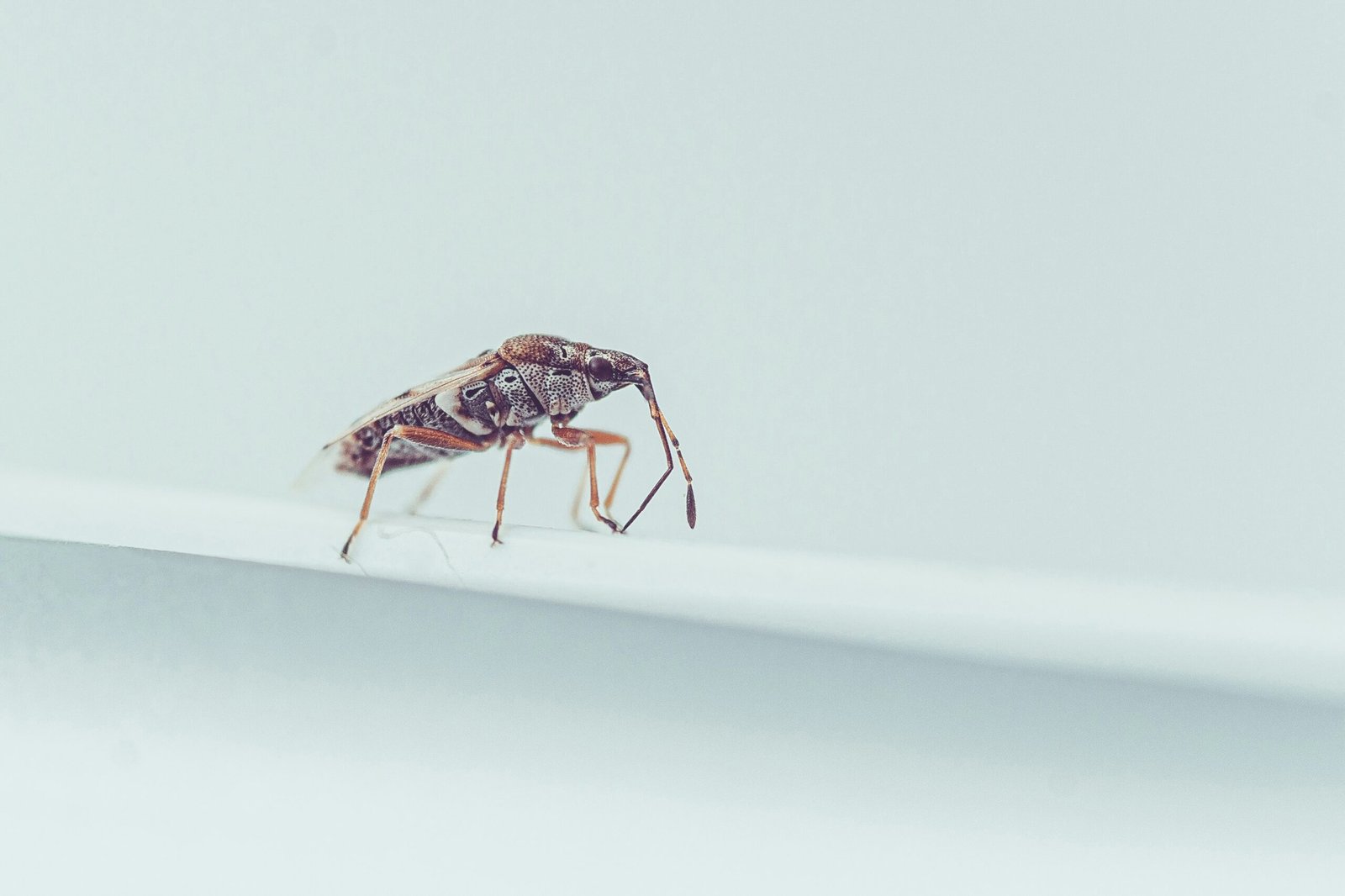
If you’ve noticed tiny flying insects hovering around your kitchen, houseplants, garbage can, or sink, you’re probably wondering how to get rid of gnats. Although these insects are small, they can become a persistent nuisance once they begin breeding indoors. A few adult gnats often indicate a much larger population developing out of sight, making early action the best way to prevent a widespread infestation.
Learning how to get rid of gnats starts with understanding why they appear in the first place. Gnats are attracted to moisture, decaying organic material, overwatered soil, ripe fruits, and standing water. Different types of gnats have different breeding habits, so identifying the source is just as important as eliminating the insects themselves.
This guide explains how to get rid of gnats by identifying the type of infestation, removing breeding sites, using effective traps, and adopting long-term prevention strategies. Explore more home maintenance and cleaning guides on Grow With Home for additional practical household solutions. Whether the problem involves indoor plants, kitchen drains, or food storage areas, understanding the complete life cycle of these insects can help you solve the problem more effectively.
What Are Gnats?
Before learning how to get rid of gnats, it’s helpful to understand what the term “gnat” actually means.
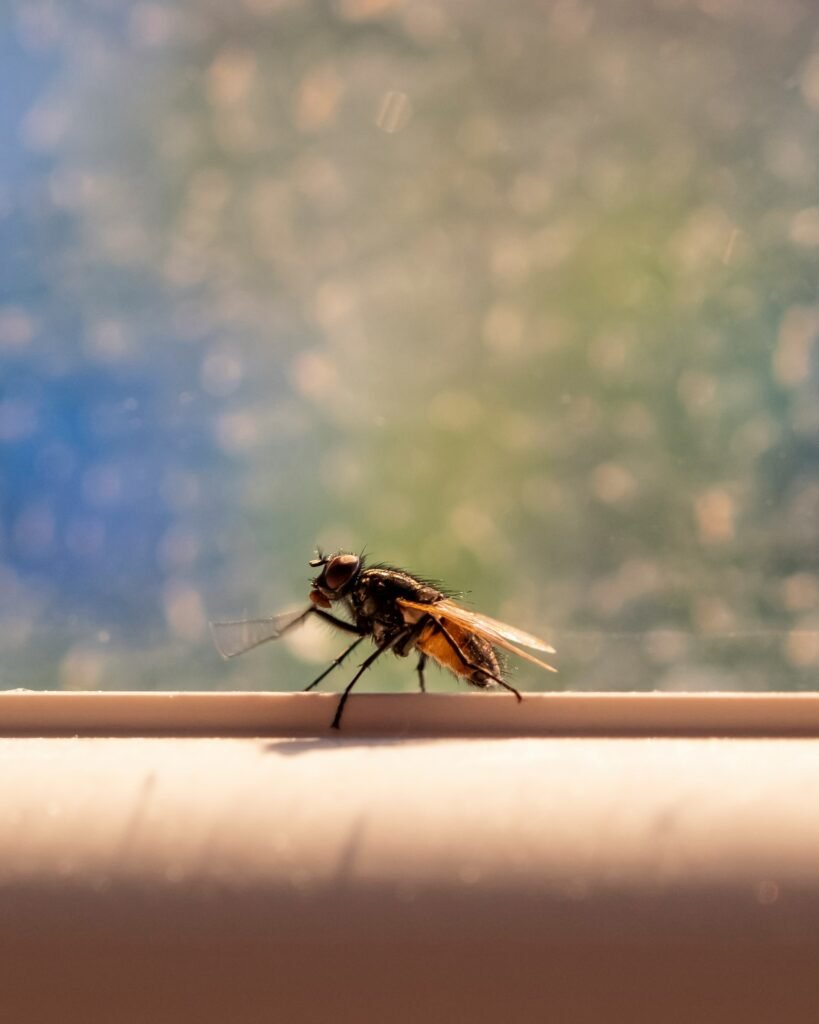
The word gnat is commonly used to describe several species of tiny flying insects rather than a single insect. Fungus gnats, fruit flies, and drain flies are among the most common insects found in homes.. Although they look similar from a distance, each type prefers different breeding environments.
Fungus gnats are commonly found around overwatered houseplants where damp potting soil provides ideal conditions for laying eggs.
Fruit flies gather around ripe fruit, sugary liquids, and food waste.
Drain flies breed in the organic residue that accumulates inside sink drains and floor drains.
Correctly identifying the insect makes how to get rid of gnats much easier because each species requires a slightly different approach.
Why Gnats Appear Indoors
Gnats rarely appear without a reason. Their presence usually indicates that conditions inside the home support breeding.
Moisture is one of the biggest contributing factors. Damp soil, leaking pipes, clogged drains, standing water, and consistently wet areas provide ideal environments for eggs and larvae.
Organic matter is another attraction. Rotting fruit, food scraps, compost bins, dirty trash cans, and decaying plant material all provide food sources that encourage adult gnats to reproduce.
Open windows, doors, and newly purchased houseplants may also introduce gnats into the home.
Understanding these conditions is an important first step in how to get rid of gnats permanently rather than simply reducing their numbers temporarily.
Understanding the Gnat Life Cycle
Knowing the insect’s life cycle helps explain why how to get rid of gnats requires patience.
Most gnats develop through four stages:
- Egg
- Larva
- Pupa
- Adult
Adult gnats typically live for only a short time, but females can lay numerous eggs during their lifespan. As long as breeding sites remain available, new adults continue emerging even after older insects die.
This is why killing only the flying adults rarely solves the infestation. Successful control requires eliminating both adult insects and developing larvae.
Interrupting the life cycle is one of the most effective long-term solutions.
How to Identify the Source of Gnats
Before choosing a treatment, inspect your home carefully to locate where the insects are breeding.
If gnats gather around indoor plants, the potting soil is likely the source.
If they hover around fruit bowls, recycling containers, or food waste, fruit flies are the more likely culprit.
Gnats emerging from sinks or shower drains often indicate drain flies breeding inside accumulated organic residue.
Walking through each room and observing where the insects concentrate provides valuable clues. Correct identification makes how to get rid of gnats much faster and more effective.
How to Get Rid of Gnats Around Houseplants
Fungus gnats are among the most common indoor plant pests.
Their larvae feed on fungi and decaying organic matter inside moist soil. Large infestations may also damage delicate plant roots, particularly in seedlings and young plants.
One of the simplest solutions is allowing the top layer of soil to dry between waterings. Fungus gnat larvae require moisture to survive, so reducing excess water interrupts their development.
Replacing heavily infested soil with fresh potting mix may also help.
Yellow sticky traps placed near affected plants capture adult gnats before they lay additional eggs.
Proper watering habits remain one of the best long-term strategies for how to get rid of gnats in houseplants.
How to Get Rid of Gnats in the Kitchen
Kitchens often provide ideal breeding conditions because food, moisture, and organic waste are readily available.
Begin by removing overripe fruits and vegetables from countertops. Store fresh produce in the refrigerator whenever appropriate.
Clean food spills immediately and empty garbage containers regularly.
Wash recycling containers before placing them in indoor bins, since sugary residue can attract fruit flies.
Regular cleaning removes both food sources and egg-laying sites, making how to get rid of gnats much easier.
Using Apple Cider Vinegar Traps
Using apple cider vinegar traps for flying insects is one of the most popular home remedies for capturing adult gnats.
One of the most popular home remedies for how to get rid of gnats involves apple cider vinegar.
The vinegar’s fermented aroma attracts many flying insects, particularly fruit flies.
To create a simple trap, place a small amount of apple cider vinegar in a shallow bowl or jar and add a few drops of liquid dish soap. The soap reduces surface tension, causing insects to sink when they land.
Although vinegar traps capture many adults, they do not eliminate larvae. Therefore, they work best when combined with proper cleaning and breeding-site removal.
Sticky Traps for Flying Gnats
Sticky traps provide another useful tool for monitoring and reducing adult populations.
Bright yellow sticky cards attract many species of flying insects, especially fungus gnats around indoor plants.
These traps help reduce reproduction by capturing adults before they lay additional eggs.
They also provide an easy way to monitor whether your control methods are working. A noticeable decline in trapped insects over several weeks usually indicates that the infestation is being successfully managed.
While sticky traps are helpful, they should always be combined with moisture control and sanitation for the best results.
Cleaning Drains to Remove Breeding Sites
Cleaning drains to remove breeding sites is essential because how to clean sink drains naturally is one of the most effective ways to eliminate drain fly larvae and organic buildup.
Drain flies require different treatment than fungus gnats or fruit flies.
Rather than simply pouring chemicals into the drain, begin by physically cleaning accumulated organic material from the inside of sink drains and drainpipes.
A long drain brush can remove slime and debris where eggs and larvae often develop.
After cleaning, flushing the drain with hot water may help remove remaining residue, although extremely hot or boiling water should be used carefully to avoid damaging plumbing materials.
Consistent drain maintenance plays an important role in how to get rid of gnats that originate from sinks and plumbing systems.
Natural Remedies for Getting Rid of Gnats
Most homeowners want to try natural remedies for this nuisance insect before they pull out the pest-control sprays. If you’re looking into natural ways to get rid ofgnats, some simple tactics can decrease their populations when implemented alongside proper sanitary habits. Watering houseplants enough to ensure the first inch or so of potting soil gets dry in between waterings will greatly aid in ridding them of agnatinfestation-the lar -live gnats thrive on this consistent moistness.
Increasing air flowaroundyour potted plants, along with practicing judicious watering Habits, won’t leave themwith a Welcoming atmosphere inside your house.
In the kitchen, try removing common foodsources gnats will feast on by cleaning counters often, stashing ripened fruit into yourfridge and by routinely emptying your garbage can. Whilethese strategies might not clear an existing infestation from your home overnight, thebreach in their feeding cycle will pay off over weeks.
When to Use Commercial Pest Control Products
If DIY solutions don’t quite cut it, certain over-the-counter (OTC) solutions may help, based on the kind of gnat infestation. “You can still get sticky traps to snag adult insects, and some products were developed solely for fungus gnat larvae in the soil, such as insecticides,” says Pooley. “Also, several people are using biological control agents that target the larvae and aren’t toxic to houseplants in specified amounts when applied according to their instructions.”
When gnats aren’t responding to constant cleaning efforts and the air is moisture-free, it might time to involve a licensed professional.
The most critical part of treating the problem, however, involves ensuring you know where and why the gnats exist.
Common Mistakes That Keep Gnats Coming Back
A lot of these infestations reoccur because the true issue is never addressed. You may kill off flying adults but the eggs and larvae are still alive and breeding in the soil, drains, or organic matter. New adults emerge within days, and the same problem appears to begin again.
Another mistake is continuously overwatering your plants.
You may set out traps but continuously damp soil offers the ideal breeding condition for fungus gnats. Also consider your own eating and storage habits. Leaving ripe fruit on the counter or not cleaning up food spills and accumulating trash attract fruit flies. Knowing common mistakes helps make your methods on how to get rid of gnats more of a permanent solution.
How to Prevent Gnats from Returning
It’s usually easier to prevent an infestation than to eliminate one after it has taken hold.
Always check the potting soil of any new houseplants before bringing them into your home, as there may be fly eggs or larvae living in it. Isolate new plants for a short period while checking to see if there are any pests. Fix any leaky faucets or plumbing that produce excessive moisture.
Always try to keep sink drains clean, dispose of food scraps immediately, and refrain from leaving standing water to accumulate in trays, pails, or plant saucers.
Even regular household cleaning contributes to eliminating the gnat problem. Wiping down kitchen counters, cleaning recycling bins, and picking up dead leaves from your houseplants help eliminate food sources and thus reduce breeding areas for various types of gnats. By implementing these simple practices, residents can minimize future infestations and gain insight into removing the insects before they develop into more substantial problems.
Do Gnats Bite or Spread Disease?
Most of the small gnats commonly found inside homes—such as fungus gnats, fruit flies, and drain flies—do not bite people. They are mainly considered nuisance pests because they multiply quickly and become difficult to ignore.
However, fungus gnat larvae may damage the roots of young or delicate houseplants if populations become large. Fruit flies and drain flies can also contaminate surfaces by moving between waste materials and food preparation areas, making good hygiene and sanitation especially important.
Although household gnats are generally less concerning than mosquitoes or other biting insects, eliminating them improves both comfort and cleanliness.
Expert Tips for Long-Term Gnat Control
Professionals generally agree that successful control depends on removing the breeding source rather than relying on traps alone.
Inspect moisture levels regularly, especially around indoor plants and plumbing fixtures. Water houseplants only when needed, and choose well-draining potting mixes to reduce excess moisture.
Keep food storage areas clean, empty trash containers frequently, and wash compost bins or recycling containers before bringing them back indoors.
Use sticky traps to monitor trouble spots and catch signs of new activity early. Catching the first few adults is much easier than dealing with a large infestation later.
These preventive habits provide one of the most reliable answers to how to get rid of gnats for the long term.
Conclusion
Simply removing present visible gnats will not allow you to know how to remove gnats, however. Whether you have fungus gnats on houseplants, drain flies near kitchen sinks, or fruit flies in the kitchen, sustainable removal requires the elimination of any condition allowing gnats to breed. Eliminating the excess moisture (if there is any), cleaning breeding areas, storing food properly, utilizing traps effectively, and a generally hygienic home will allow most of the infestations to be brought under control without much trouble.
Ensuring that the gnat problem does not resurface once the first wave has been eliminated will require consistent prevention.
Learning how to remove gnats and it will aid in maintaining healthy houseplants and maintaining a cleaner, less frustrating house to live in.
Frequently Asked Questions
1. What causes gnats to appear inside a house?
Gnats are commonly attracted by moist potting soil, standing water, ripe fruit, food waste, dirty drains, compost, and other sources of decaying organic matter.
2. What is the fastest way to get rid of gnats?
The fastest approach combines eliminating the breeding source, cleaning affected areas, reducing moisture, and using sticky traps or apple cider vinegar traps to capture adult insects.
3. Can overwatered plants cause fungus gnats?
Yes. Consistently damp potting soil provides an ideal environment for fungus gnat eggs and larvae, making overwatering one of the most common causes of indoor infestations.
4. Are gnats harmful to people?
Most common household gnats do not bite humans, but they can become a nuisance and may contaminate food preparation areas if left unchecked.
5. How long does it take to eliminate a gnat infestation?
The timeline depends on the size of the infestation and how effectively breeding sites are removed. Many infestations improve within several weeks when both adults and larvae are addressed.
6. Will vinegar alone eliminate all gnats?
No. Apple cider vinegar traps capture many adult gnats, but they do not eliminate eggs or larvae. For lasting results, traps should be combined with sanitation and moisture control.