
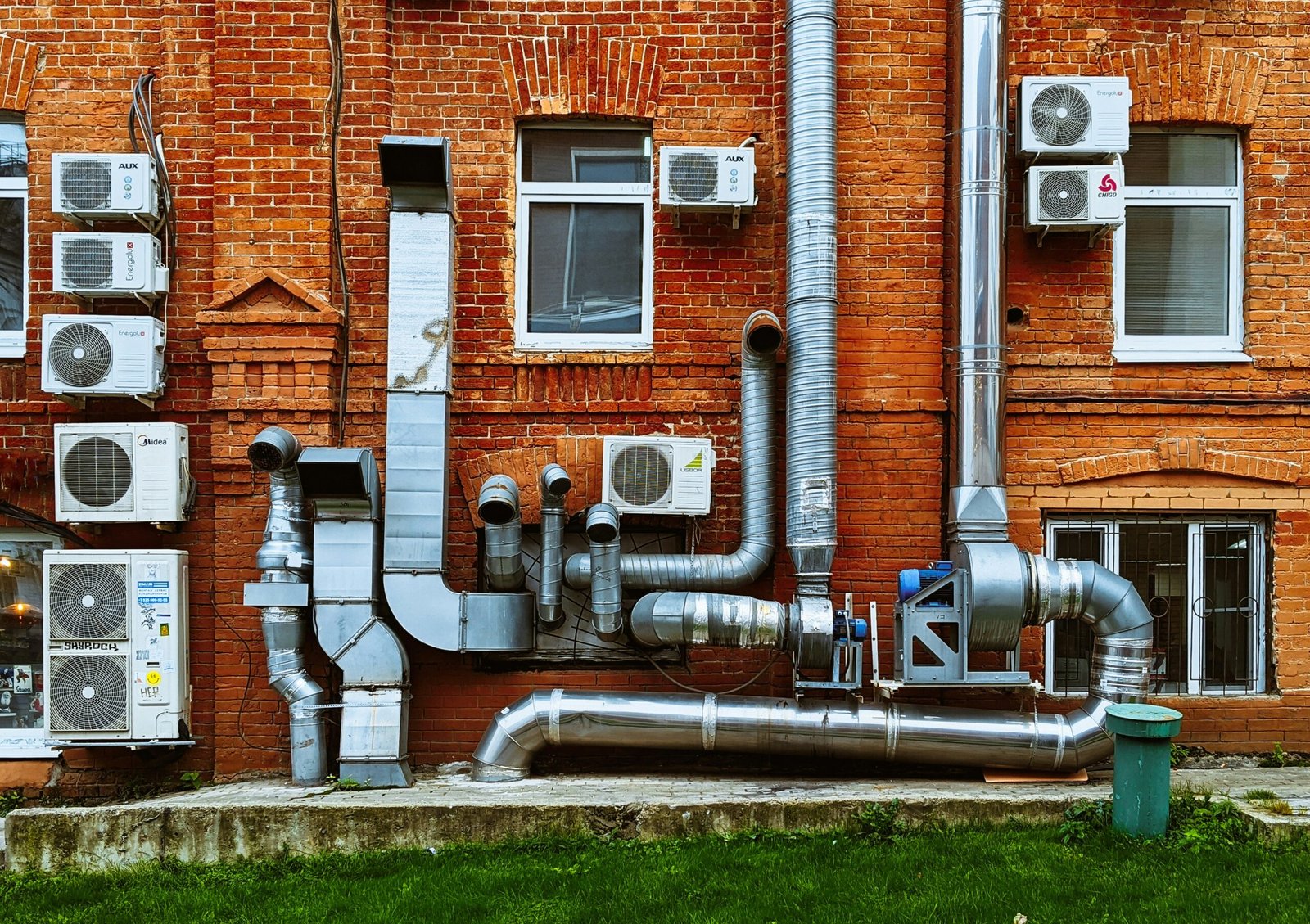
Your heating, ventilating, and air conditioning (HVAC) system is one of the most critical investments for your home or business. It regulates temperatures, purifies air, and protects people from extreme climates. This equipment requires exceptional maintenance to operate at peak efficiency levels.
Typically, homeowners rarely think about their HVAC system until it breaks down. As a result, they incur high repair costs, operate inefficient equipment, and miss out on opportunities to prolong the life of their HVAC system. A comprehensive HVAC maintenance checklist helps identify potential problems early and ensures total system safety and efficiency. Whether you have a residential air conditioner, a central heating system, or a commercial HVAC, this guide will offer practical maintenance suggestions.
Importance of Understanding How to Develop an HVAC Maintenance Checklist
Proper maintenance enables a heating and cooling system to run at peak efficiency for an extended period. Most air conditioners and heaters require frequent cleaning, inspection, and repair to remove dust, grime, dirt, and other debris. Moreover, an efficient maintenance schedule helps homeowners:
Reduce energy bills
Ensure the system’s long-term durability
Minimize repair costs
Experience the desired comfort
Maintain warranty protection
Boost the unit’s efficiency
Reduce the carbon footprint
For example, consistent and proper maintenance is typically cheaper compared to compressor, blower motor, evaporator coil, and heat exchanger replacements.
Overview and Basic Concepts
An HVAC system comprises various components that work together to achieve energy-efficient heating and cooling. Understanding the basics of how HVAC systems work makes it easier to recognize maintenance needs and identify issues before they become costly repairs. Some of the critical parts include:
Air conditioner
Furnace
Thermostat
Air ducts
Evaporator coil
Condenser
Blower motor
Refrigerant lines
Air filters
Drainage system
These parts are connected and integrated into a larger system. For instance, dirty filters reduce air flow, which increases the blower motor workload and decreases the system’s energy efficiency. In addition, clogged coils add extra work to the compressor, thus lowering its lifespan. This article will help you understand how to conduct a thorough HVAC maintenance checklist.
Comprehensive HVAC Maintenance Checklist
Change or clean air filters
Air filters remove airborne pollutants such as dust, pollen, pet dander, and other impurities. Clogged filters restrict outside air flow, thus increasing the energy bill and reducing the comfort levels. Most homeowners should clean or replace their air filters every month or three months. The frequency depends on the number of pets, allergies, air quality, usage, and filter types. Clean air filters enhance indoor air quality and improve the flow of conditioned air.
Inspect the thermostat
A functional thermostat helps maintain the desired indoor temperature while reducing energy waste. Most thermostats come with diagnostic tools to help detect faults automatically. Check whether the thermostat is set to the correct temperature or schedule. Ensure the device has the latest software, especially for smart thermostats. A newer thermostat gives you better control over your home’s temperature, helping cut unnecessary energy expenses.
Vent cleaning
Dirty vents compromise the proper circulation of cool or warm air inside a house. The HVAC system has supply and return vents linked to registers. Most people ignore this component when maintaining their HVAC system. However, obstructed vents put extra strain on the furnace or air conditioner, which increases energy consumption. Remove the dust, furniture, pet hair, and curtains that accumulate on or around vents. In addition, use a vacuum cleaner to remove debris from the vent covers regularly.
Examine the condenser
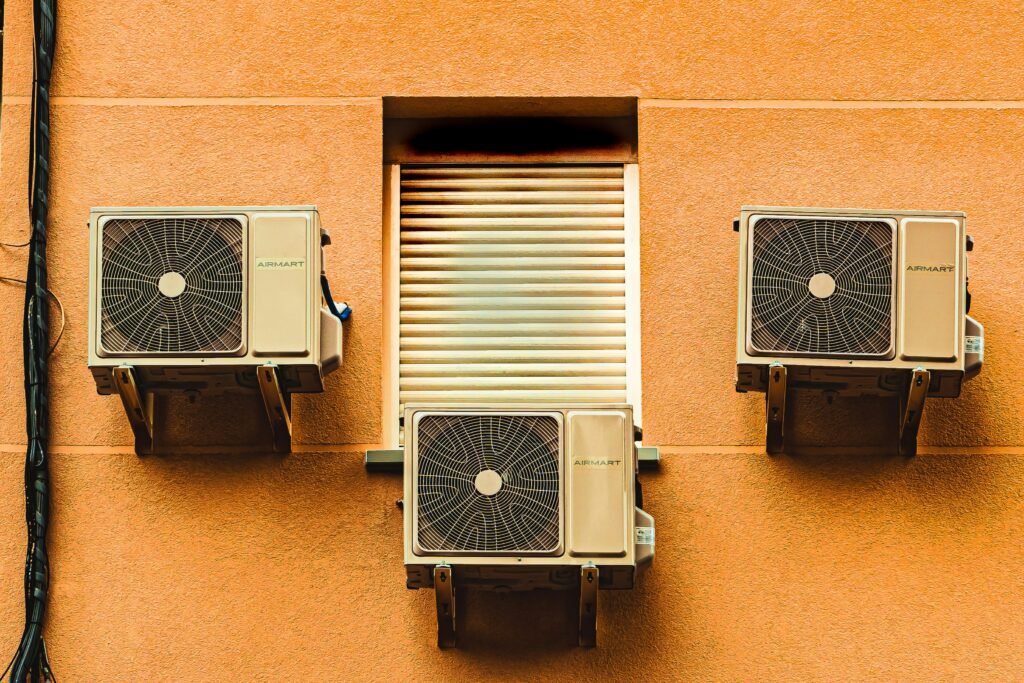
The condenser is the outdoor component of an HVAC system that releases heat to the surrounding environment. This part is usually exposed to extreme weather, so it accumulates dirt, leaves, and other materials. In addition, plants and large shrubs around the condenser can hinder proper airflow, thus raising the pressure levels. Check the condenser regularly to ensure it is free from bent fins, dirt, debris, overgrown vegetation, and faulty wiring. Trimming unwanted plants around the condenser promotes proper airflow.
Clean the condenser coils
Condenser coils help transfer heat from the indoor space to the outdoors. This component tends to gather dirt, leaves, twigs, and other foreign materials. Dirty coils increase the pressure within the condenser, therefore raising the energy consumption. It is advisable to hire a professional HVAC technician to clean the condenser coils because the task is complicated.
Examine the evaporator coil
The evaporator coil absorbs warm air from the indoor space during the cooling process. This part should be free from dirt and dust to ensure efficient heat exchange. A dirty evaporator coil increases the likelihood of freezing, hence poor system performance. Most evaporator coils require annual professional inspections to check for signs of corrosion, leakage, and debris.
Check the refrigerant levels
Refrigerant is a chemical compound that facilitates heat transfer across the evaporator, condenser, and other parts of the system. The refrigerant in your HVAC system must be within the recommended levels at all times. Leaks are a common occurrence in most HVAC systems, especially older models. The refrigerant gas can escape due to damaged valves, faulty fittings or tubing, and poor system design. Low refrigerant levels are evident when the air conditioner emits warm air, the evaporator coil freezes, the system runs longer than usual, and energy bills increase.
Examine the electrical components
HVAC systems have numerous electrical parts, including contacts, relays, capacitors, circuit boards, and connections. Loose wires, damaged circuit boards and contacts, and faulty relays can hinder the smooth operation of the unit. A routine inspection of the electrical components can help detect defects early. It is advisable to hire a qualified HVAC technician to conduct the maintenance because the task is complicated.
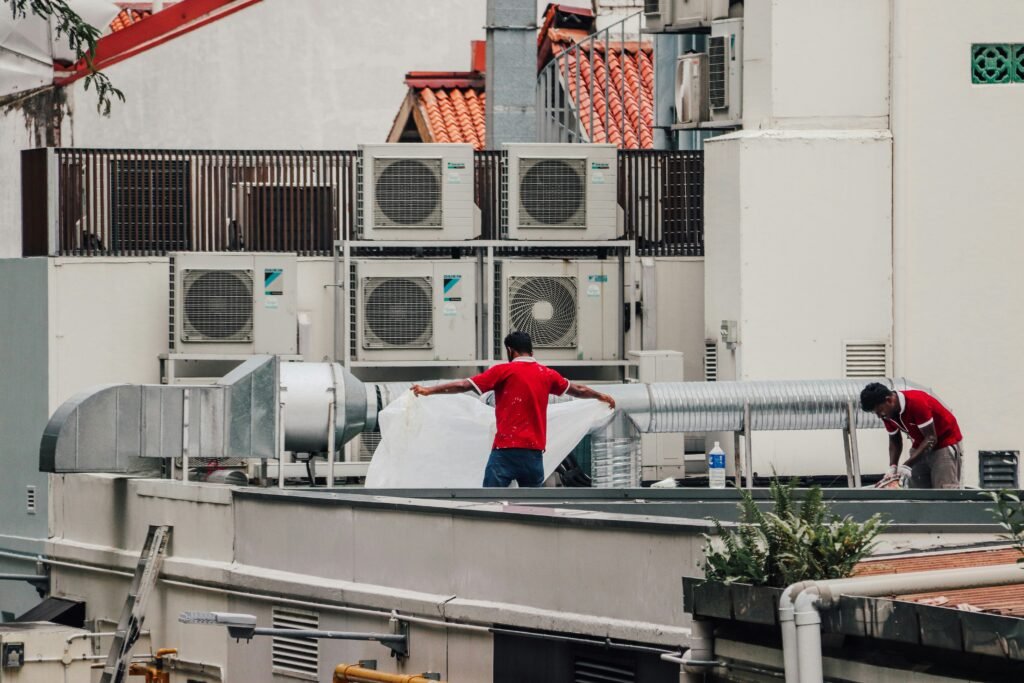
Lubricate the moving parts
Most HVAC system manufacturers recommend lubrication of specific parts to enhance free movement. This maintenance step is critical because it reduces friction, minimizes vibration, and lowers energy needs. Always follow the manufacturer’s maintenance guidelines when lubricating to avoid damaging the components.
Inspect the blower assembly
The blower assembly consists of a motor and other parts that help distribute the conditioned air to the supply vents. Most HVAC systems require regular cleaning and maintenance of the blower’s impeller, motor, and belt. The motor needs proper lubrication to facilitate smoother rotation of the blower wheel. A functional blower assembly enhances the performance of the furnace, air conditioner, and other HVAC components.
Clear the condensate pan
The condensate pan is a crucial component that collects excess moisture that escapes during the cooling process. Many homeowners ignore this HVAC part when conducting maintenance. Blocked condensate pans can lead to water overflow, indoor water damage, mold growth, and system malfunction. Ensure the condensate line is clear to avoid clogs and subsequent water damage.
Examine the air ducts
Most people forget about air ducts when maintaining their HVAC systems. The ductwork transports the conditioned air from the air conditioner or furnace to the vents. This component is usually prone to leaks, cracks, mold infestation, and dirt buildup. The cracks and holes allow some of the cool or warm air to leak, thus reducing the system’s performance. A professional HVAC technician should inspect the ducts for signs of damage and recommend the best repair or replacement options.
Inspect Furnace Components
Before the onset of winter, it is vital to inspect the following parts:
Burners
Ignition system
Flame sensor
Heat exchanger
Gas connections
A cracked heat exchanger poses dangerous safety risks that must be addressed by a professional right away.
Test Safety Controls
Modern HVAC systems are equipped with an array of built-in safety controls that help prevent fires, power failures, and gas leaks.
Make sure that the safety switches, emergency shutoffs, and carbon monoxide detectors are working correctly.
Schedule an HVAC Maintenance Checklist
Although a homeowner can conduct some maintenance tasks on their own, it is advisable to hire a professional to service it at least once a year.
A typical maintenance service usually consists of the following:
Testing the system’s functionality
Examining the power and refrigerant levels
Cleaning the coils
Checking the air flow
Calibrating the equipment
Looking for possible repairs
A professional can detect hidden issues before they cause expensive emergency repairs.
Real-World Case Study
A family of four with a four-bedroom home was struggling with unbearably high electric bills each summer. Their central air conditioning system was ineffective at cooling some of their rooms to a comfortable temperature. They feared they would have to replace their aging HVAC system. However, an experienced HVAC technician found several easily fixable maintenance problems that could enhance their system’s performance.
The air filter had not been changed in more than six months, the outdoor coil was dirty and clogged with leaf debris, the ductwork had several holes in the attic, and the thermostat was not calibrated correctly.
An old dirty air filter, among other maintenance problems, was restricting the free airflow into the evaporator, thereby raising the electric bill. The professional HVAC technician replaced the air filter, cleaned the coil, sealed the duct leaks, and calibrated the thermostat.
The family spent less money on electric bills and enjoyed a comfortable indoor temperature without having to spend thousands of dollars on a new HVAC system. This simple and affordable maintenance service restored their system’s efficiency and prevented an expensive replacement.
Lessons Learned from the Case Study
The analysis uncovers several practical takeaways:
Several maintenance issues can combine to cause a severe malfunction.
A dirty air filter is not necessarily the primary cause of the malfunction, but it usually indicates other underlying problems.
An HVAC inspection enables a technician to identify potential problems before they cause expensive emergency repairs.
It is always cheaper to schedule preventive maintenance than to repair a malfunctioning system or replace the entire HVAC system.
An efficient and effective HVAC system reduces monthly energy costs and provides a comfortable indoor environment.
Common Challenges and Solutions
Most homeowners fail to maintain their HVAC systems regularly due to several reasons.
One of them is the fact that the system is operating efficiently. However, the efficiency often begins to decrease slowly and dramatically over time.
One should consider the following recommendations when developing a maintenance schedule:
Set a reminder on your phone or computer or sign up for automatic filter replacements. For a more organized approach, follow our home maintenance checklist to stay on top of seasonal tasks that keep your property running efficiently all year. This way, you will not forget to replace or clean the air filter regularly.
Make sure the outdoor unit is not clogged with leaves or lawn clippings that may hinder proper airflow into and out of the system. It is advisable to trim bushes and trees near the outdoor unit to allow free circulation of air throughout the year.
Most homeowners rarely notice strange noises emanating from their HVAC system. However, they should always remember that unusual grating, squealing, or rattling sounds indicate a serious underlying issue that requires immediate attention.
Lastly, most regular maintenance tasks require advanced skills and special tools to do. Therefore, it is advisable to leave hard-to-tackle tasks such as refrigerant line repairs to a professional to avoid causing further damage to the system. Always remember that an annual HVAC maintenance service can help you get the most out of your system.
Expert Recommendations
When considering expert recommendations on HVAC system maintenance, it is essential to note that most professionals advise homeowners to do monthly maintenance and seasonal tune-ups. This way, a homeowner can identify problems early and keep the system in good working condition throughout the year.
Create a monthly maintenance schedule and keep a copy of all maintenance records to help track energy consumption patterns.
It is advisable to purchase high-quality air filters and change them regularly instead of opting for cheap air filters with a higher filtration rating. A dirty air filter with a high filtration rating can reduce the free airflow into the evaporator if the HVAC system is not designed for it.
A homeowner should always keep the vents open and make sure that they are not clogged with dust. It is vital to keep the outdoor unit clean and free from debris such as leaves, grass clippings, and dirt. In addition, the homeowner should avoid exposing the outdoor unit to external factors such as vehicles and lawn mowers.
Another thing to keep in mind is that homeowners should always invest in a professional HVAC maintenance service at least once a year, preferably before the onset of summer and winter. Reviewing practical home energy-saving tips alongside regular HVAC maintenance can further improve efficiency and help lower monthly utility bills.
This way, they will avoid incurring huge repair bills due to system failure during the cold and hot seasons.
Frequently Asked Questions
How often should I conduct HVAC maintenance?
It is recommended to conduct basic maintenance such as air filter replacement, vent cleaning, and outdoor unit inspection every month. However, professional HVAC maintenance should be done at least once a year.
What are the consequences of failing to conduct regular HVAC maintenance?
The consequences of failing to conduct regular HVAC maintenance include:
Increased energy costs
Poor indoor air quality
Uneven temperatures inside the home or office
Degraded system performance
Increased risk of emergency repairs
Can I do HVAC maintenance myself?
A homeowner can perform some of the routine maintenance tasks such as air filter replacement, vent cleaning, outdoor unit inspection, and thermostat check themselves. However, some tasks such as refrigerant line servicing and inspection require the skills and tools of a professional HVAC technician.
Does HVAC maintenance reduce energy bills?
Yes, HVAC maintenance can significantly reduce the energy bills of a homeowner because the system uses less electricity to cool or heat the space.
“What is the typical operating lifespan of an HVAC system?”
A well-maintained system can last anywhere between 15 and 20 years.
Conclusion
A comprehensive HVAC maintenance checklist is a helpful tool that helps detect potential problems before they lead to expensive emergency repairs. It also enhances the overall performance of the system, thus lowering energy costs. A few simple maintenance tasks such as air filter replacement, vent cleaning, and outdoor unit inspection are vital in ensuring that the system maintains good performance throughout the year.
It is important to conduct regular HVAC maintenance and inspections instead of waiting for the system to malfunction entirely. Not only does it help in avoiding exorbitant repair and replacement costs, but it also makes the system more efficient and reliable. Homeowners should always invest in professional HVAC maintenance services at least once a year to enjoy the many benefits that it offers. It is important to remember that a well-maintained HVAC system can significantly improve indoor air quality while reducing monthly energy costs.