
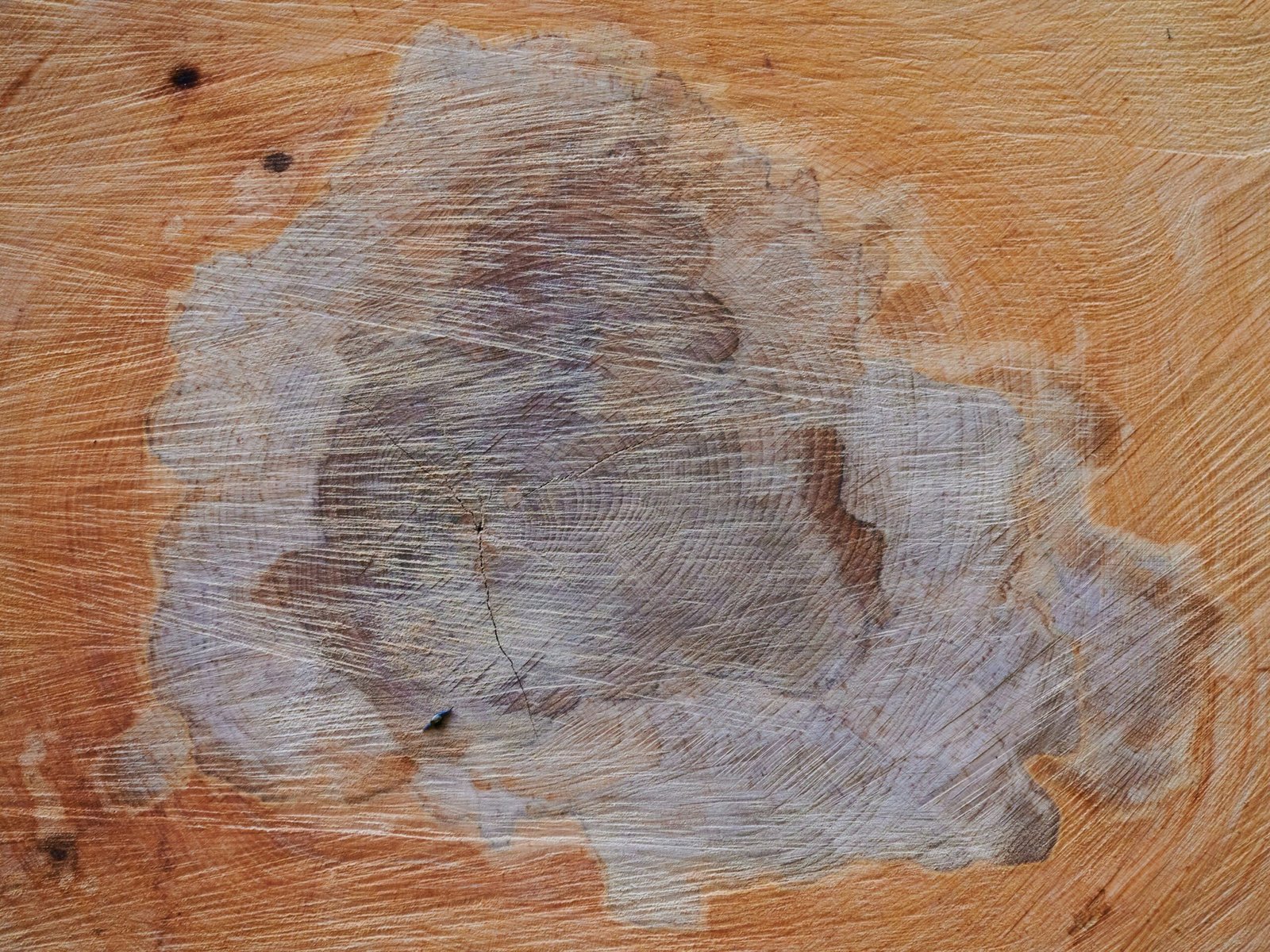
Water stains can be frustrating, especially when they appear on a favorite dining table, coffee table, hardwood floor, or antique piece of furniture. Whether the mark came from a forgotten drink coaster, a flower vase, or accidental moisture, many people assume the damage is permanent. Fortunately, that’s often not the case. If you’re searching for how to remove water stains from wood, you’ll be glad to know that many stains can be treated using simple techniques and common household items.
The most important aspect of removing water stains is identifying the type of water stain you’re removing. They don’t all have the same effects on wooden surfaces and woods. Many water stains affect the protective layer over the wood, rather than the wooden fibres deeper into its structure. You could worsen your water mark or, worst-case scenario, do even more damage to the wood surface, so knowing your Stain type is step number one.
Whether you’ve been removing the stain from a finished furniture item or hardwood flooring or even from your wooden cabinets, this guide will explain what is it exactly which creates water-stains on wood, how-to distinguish between stains that are white, and those that are black/ dark colored and exactly what kinds of procedures to adopt which have the lowest possibilities for a water Stain removal fromwood to actually result in a worsened situation.
Understanding Water Stains on Wood
Before learning how to remove water stains from wood, it’s important to understand why these marks appear in the first place.
Wood tends to be porous, meaning that it can absorb water if it is not properly sealed with polyurethane, varnish, lacquer, shellac, or wax. Understanding common wood finishes and protective coatings also helps you choose the safest cleaning method. But even if wood is sealed, it may still be prone to water damage, for example, from heat, humidity, or other sources of water getting underneath the sealant layer.
The presence of the stain indicates how far water has penetrated the wood.
White Water Stains
White or cloudy stains are the most common type of water mark. These occur when moisture becomes trapped inside the finish rather than soaking into the wood itself.
Common causes include:
- Hot coffee mugs
- Cold glasses with condensation
- Steam from takeout containers
- Damp dishes
- Flower pots
- Humid environments
Because these stains usually affect only the finish, they’re generally much easier to remove.
Dark Water Stains
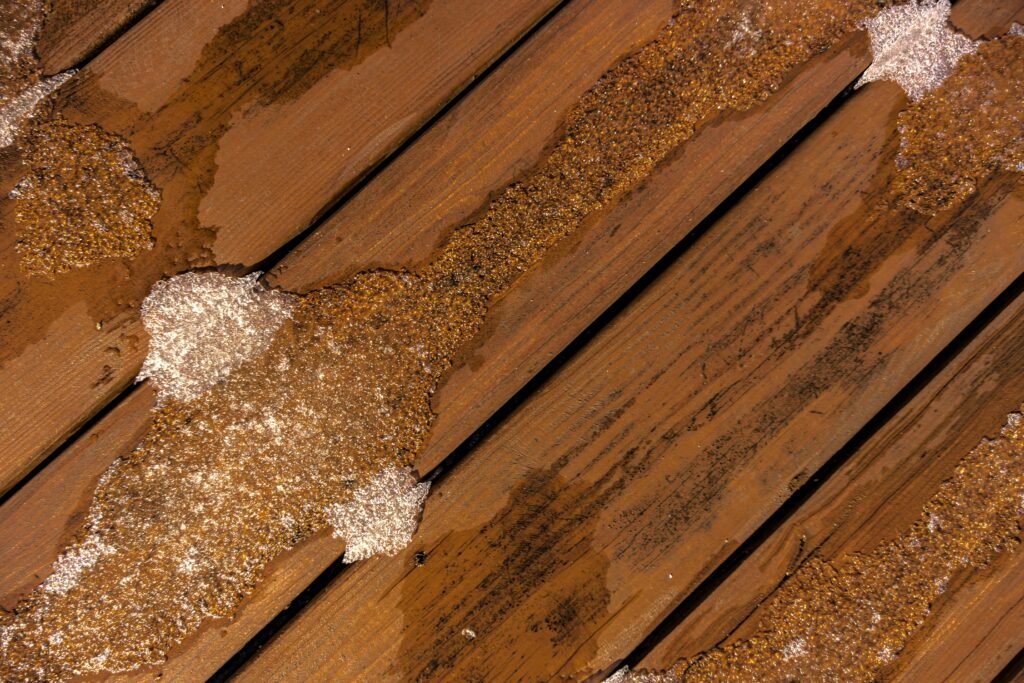
Dark brown, gray, or black stains indicate that water has penetrated beyond the finish and entered the wood fibers, making wood furniture restoration techniques more important for severe damage.
This type of staining often develops after:
- Water leaks
- Standing water
- Flooding
- Long-term moisture exposure
- Plant pots left directly on wood surfaces
Dark stains can be more difficult to remove because they may involve both moisture damage and natural chemical reactions between water and the wood’s tannins.
Why Acting Quickly Makes a Difference
Timing is key when treating water stains Most water stains can be successfully removed from wood but timeliness is the most important variable. If your finish recently became damp from standing water the chances of quickly cleaning this up will be much greater than for an aged or setting stain that can reach more of the substrate. Water that lingers against wood can actually saturate the pores if given enough time.
If your surface comes into contact with moisture for any period of time don’t allow it to sit and evaporate (creating stain); rather wipe the area immediately with clean towel or cloth.
Early action can sometimes prevent a water spot from becoming a permanent stain.
Identify Your Wood Finish Before Starting
Not every piece of wood furniture has the same finish, and using the wrong cleaning method can damage the surface.
Most modern furniture is protected with finishes such as:
- Polyurethane
- Lacquer
- Varnish
- Shellac
- Oil finishes
- Wax coatings
These finishes react differently to heat, moisture, and cleaning products.
For example, gentle heat may safely remove moisture trapped beneath a polyurethane finish, while excessive heat can soften shellac or damage wax finishes.
If you’re unsure which finish your furniture has, it’s safest to begin with the least aggressive cleaning method before trying stronger techniques.
Common Causes of Water Stains on Wood
Understanding what caused the stain can also help determine the best removal approach.
Some of the most common causes include:
- Drinking glasses without coasters
- Hot coffee cups or tea mugs
- Wet towels
- Flower vases
- Houseplants
- Steam from food containers
- Pet water bowls
- Humid rooms
- Minor plumbing leaks
- Condensation from air conditioning
Many homeowners are surprised to learn that even small amounts of moisture can create noticeable marks if left on wood long enough.
Mistakes to Avoid Before Removing Water Stains
When searching for how to remove water stains from wood, it’s easy to find dozens of home remedies online. However, not all of them are safe for every type of wood finish.
Avoid these common mistakes:
Using Abrasive Scrubbing Pads
Steel wool or other coarse scrubbing pads may scratch the finish, permanently marring the surface.
Applying Excess Water
Often, using more water does not help at all. In some cases, excessive moisture may even cause new water stains.
Mixing Strong Chemicals
Bleach, ammonia, or other harsh chemicals often ruin the finish and are dangerous to use.
Sanding Too Soon
Many homeowners reach for sandpaper as soon as water spots appear. However, sanding removes the protective finish, which means that this step should only be used after other methods have been tried (especially for severe water stains).
Gather Your Supplies Before You Begin
Before trying any stain removal method, it’s helpful to have a few basic household supplies ready.
Depending on the technique you choose, you may need:
- Soft microfiber cloths
- A clean cotton towel
- A clothes iron or hair dryer
- White toothpaste (non-gel)
- Baking soda
- Mineral oil or olive oil
- White vinegar
- Wood polish
- Fine furniture wax
Not every method requires all of these items. In fact, many white water stains can be removed using just a soft cloth and gentle heat.
In the next part of this guide, you’ll learn how to remove water stains from wood using step-by-step methods, including heat techniques, toothpaste, baking soda, vinegar solutions, commercial wood restoration products, and what to do when stains have penetrated deep into the wood.
How to Remove Water Stains from Wood: Step-by-Step Methods
After finding out which type of stain you have on your floor, it’s necessary to choose a method that can eliminate it without damaging the finish. It’s important to always begin with the least aggressive way and to test it on a small part of the floor before proceeding to treat the whole stain.
Method 1: Use Gentle Heat
White water stains occur when moisture is trapped under the protective finish of the wood. The best way to remove them is by drawing out the trapped moisture.
To do that, you need to take a clean cotton cloth, put it on the stain, and iron it on the lowest setting without using the steam function. Another option is to use a hair dryer on a low heating setting, holding it about 5-7 inches from the surface. You should move it constantly while doing that. Don’t forget to iron or dry only one spot for a few seconds at a time.
Method 2: Use White Toothpaste
Toothpaste has mild cleaning agents that can effortlessly eliminate white water stains. Take a small amount of white non-gel toothpaste and rub it with a soft piece of cloth in circular motions.
After waiting for about 1-2 minutes, you need to remove the toothpaste from the stain using another damp cloth. Following that, you should dry the spot and wipe it again with a clean fabric to make it shine.
Method 3: Make Baking Soda Paste
If the previous method didn’t work, you need to prepare a baking soda paste. To do that, you need to mix some baking soda with water until you get a thick consistency.
Next, you should gently rub this mixture into the stained spot with a soft piece of cloth. After you see that the white stain has gone, remove the baking soda with a damp cloth, and dry the area with a microfiber towel. Don’t rub the baking soda into the wood, since it has abrasives that can make the surface rougher.
Method 4: Polish the Spot
After removing the stain, you need to polish the area with a good wood polish or wax to get rid of some water spots and protect the finish.
Tips to Prevent Future Water Stains
Tips to Prevent Future Water Stains Explore more practical home improvement and DIY guides on the Grow With Home .
Simple habits can make a big difference:
- Always use coasters under drinks.
- Place hot dishes on heat-resistant trivets instead of directly on wood.
- Wipe up spills immediately.
- Use trays beneath flower pots and decorative vases.
- Keep indoor humidity at a moderate level.
- Clean and polish wood furniture regularly according to the manufacturer’s recommendations.
These small precautions help preserve both the finish and the natural beauty of your wood furniture.
Frequently Asked Questions
1. Can water stains be removed from wood permanently?
Yes, most of the white water stains are removable since they only penetrate the finish. Stains that are dark in color and go deep into the wood will need professional refinishing to restore.
2. What causes white rings on wood furniture?
White rings are caused by moisture getting trapped beneath the protective finish of the wood furniture after placing a cold drink or hot mug on it.
3. Is vinegar safe for removing water stains from wood?
Vinegar can be safely used to remove water stains from wood furniture as long as it is diluted appropriately and should not be used in excessive amounts. It has the potential to ruin the finish of the wood furniture.
4. Can I use a hair dryer to remove water stains?
Yes, you can use a hair dryer on a low setting to remove white water stains by removing trapped moisture present in them. Use it consistently until the trapped moisture is gone.
5. When should I seek the help of professionals?
Most likely, you will need professional furniture restoration services if the water stain is black in color, extensive, situated on an antique piece of furniture, or failed to respond to the recommended home remedies.
6. How can I avoid getting water stains on my wood furniture?
The most reliable way of preventing water stains on your wood furniture is by using coasters and promptly cleaning any spills. Additionally, make sure not to leave moisture stay on the furniture for a prolonged period of time and protect the furniture’s finish.
Conclusion
Understanding how to remove water stains from wood furniture can assist you in restoring the beautiful appearance of your furnishings, tables, cabinets, and other wooden objects without damaging their finish. The most crucial step in dealing with them is determining whether they are white (only penetrate the finish) or dark (go deep into the wood). In either case, using a hair dryer on a low setting or white toothpaste to gently remove the stain is an option, whereas black watermarks will need to be refinished or restored by a professional. Maintaining the furniture by promptly cleaning spills and using coasters is the most effective approach to prevent watermarks from appearing on the wood furnishings and keep them looking new.