
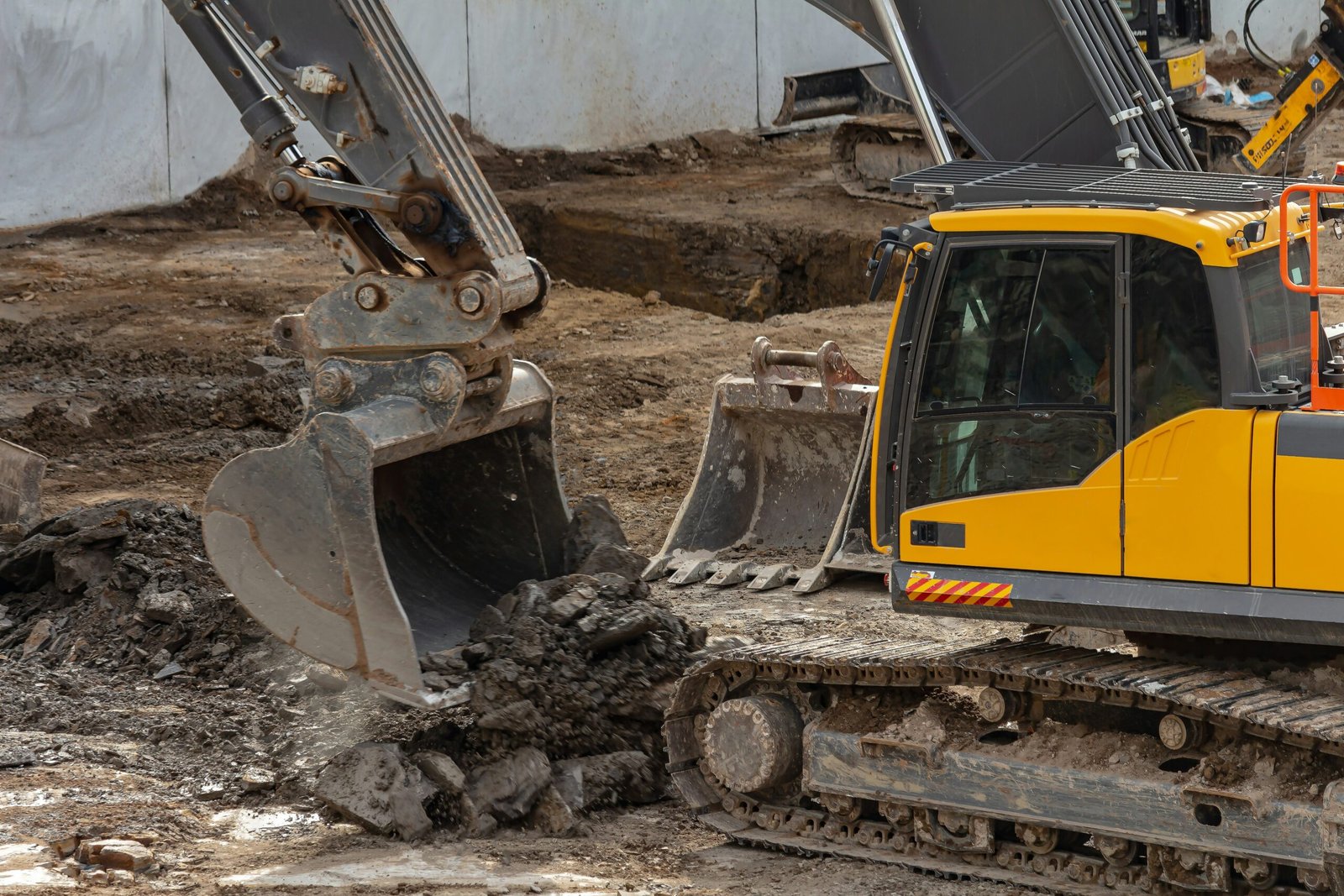
The start of excavation works on your property can be an exciting time, especially if you are embarking on a new build, renovation, driveway, retaining wall, pool, landscaping or drainage project. However, excavation is not an activity to be undertaken lightly – mistakes during digging, even on a small scale, can cause issues if the site has not been properly prepared, cleared and assessed beforehand.
Understand That Excavation Involves More Than Digging
Prior to excavation works commencing, the first rule to bear in mind is that excavation is not simply digging up the ground – safety, access, services, drainage, soil type and project requirements must all be considered to allow for a smooth excavation process, with minimal delays, damage and danger to people and property.
Locate Underground Services Before Excavating
Perhaps the most crucial consideration prior to any excavation works taking place is the location of any underground services. Power, phone, gas, water, stormwater, wastewater and other services can often run below the ground on or near a property, and may not always be obvious at a glance. Excavation can uncover these services, potentially causing damage, interruption and expense – a pre-excavation service locate can highlight any underground services and mark their location so that they can be avoided during the works.
Ensure Easy Access to the Excavation Site
Access to the excavation site should also be considered before hiring excavation machinery. Excavation machinery requires adequate space to operate in – if a machine is unable to reach the site or has limited ability to position itself, this can greatly hinder the progress and efficiency of the works. Driveways, fences, slopes, unstable or soft ground, trees and overhead obstacles can also impede access to and from the site. Clearing and preparing this access ahead of time can allow for uninterrupted access and prevent delays and frustration once the machinery arrives.
Clear the Site Before Machinery Arrives
Prior to excavating, any loose materials, garden sheds, rubbish, garden gnomes and other items that may be found on the site should be removed. Additionally, if any trees, shrubs, rocks or other natural or man-made features need to be excavated, this should be noted before the machinery arrives. It is always best to err on the side of caution when excavation is concerned, as extra preparation can save time and headaches down the track.
Consider the Soil Type
Soil type is another factor that should be taken into account before excavation works commence. Depending on a number of variables, the ground may prove to be easier or harder to excavate. It is vital to consider the impact of the ground type on both the excavation and subsequent works, such as retaining walls, footings, new driveways or building slab works.
Plan for Proper Drainage
Drainage should also be a consideration, as the ground tends to hold and move water around in natural patterns. Excavation can disrupt this, altering water flow patterns for potentially permanent consequences. Excavation may cause water to collect in unwanted places, or cause ground to erode, sink or weaken, potentially impacting nearby buildings or structures. Drainage works can help to direct water away from sensitive areas after excavation, ensuring long-term stability and protection for the land and any built structures. Water naturally moves through and across land, and earthworks can change the way water flows.
Decide How to Handle Excavation Spoil
The impact of excavation works on the spoil – the unwanted materials, soil and waste generated by the works – should also be taken into consideration. Excavation can produce an eye-watering amount of spoil that will need to be loaded up, hauled away or re-purposed if possible. The fate of the materials should be decided upon before machinery arrives to begin large-scale excavation.
Prioritize Safety Throughout the Project
Excavation works can be dangerous, and safety should always be a priority. Children and pets should be warned and kept well away from the site, and extra care should be undertaken to ensure the safety of neighbours, other workers and passers-by. Works sites can also be hazardous, especially when working close to trenches or excavations – barriers should be erected as necessary.
Hire an Experienced Earthworks Company
Hiring an experienced earthworks company to complete excavation tasks is often the safest option for many property owners, as they can offer greater safety and control over the excavation process. An experienced excavator will know the correct procedures for working around services, shaping the land, minimising damage and using the most appropriate machinery for the job. Excavation expertise can be vital in saving both time and money when excavating for a project, as it prevents potentially costly errors.
Conclusion
Before any excavation works commence, the site should be assessed, prepared and cleared appropriately to allow for a safe, efficient excavation process with minimal delays, damage or danger. The better prepared the site is for excavation before machinery arrives, the easier the task will be for the excavators.