
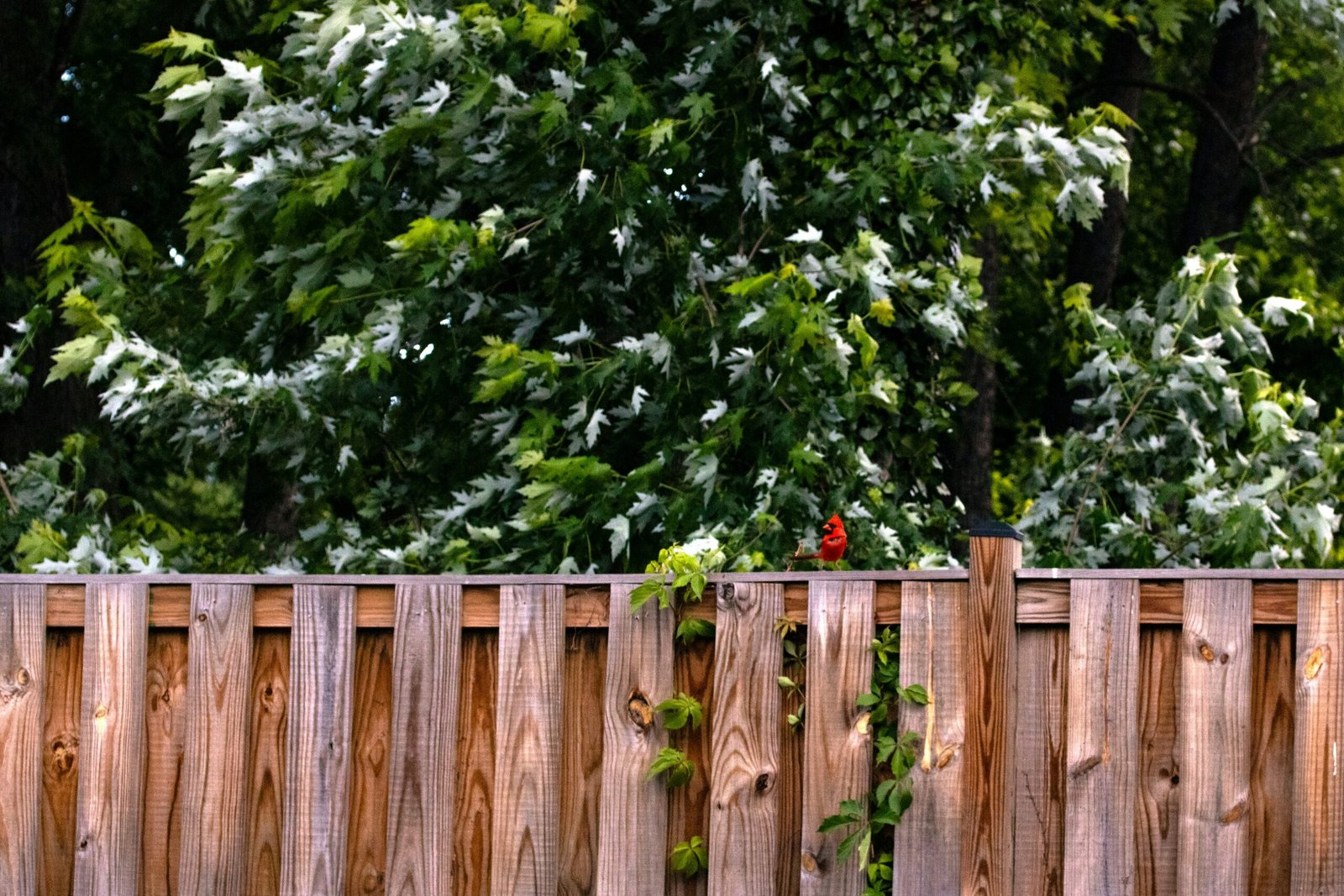
If you’re searching for cheap privacy fence ideas, you’re probably trying to solve a very human problem: You need a privacy fence for your backyard but balk at the cost. Full-scale privacy fencing, especially in the standard 6-foot high, well-constructed format, can run into the thousands of dollars for materials and labor. To keep your budget under control, here are some ingenious and beautiful fencing ideas that prevent neighbors from snooping. The aim of this article is to present practical and inexpensive alternatives that keep your backyard private while keeping your budget and expectations realistic.
Why Cheap Privacy Fence Ideas Matter More Than Ever
Like privacy fence options full-height cedar, vinyl-which have climbed significantly over the last couple of years, along with their material and labor costs, many homeowners are choosing to forgo a sturdy fence in order to avoid exorbitant prices-at least for now.
Cheap privacy fence ideas fill the gap. They’re useful when:
- You’re in a starter home and don’t want to over‑invest.
- You’re renting and can’t install permanent structures.
- You only need privacy in a specific zone (deck, patio, hot tub area) rather than around the entire yard.
- You’re okay with “good enough” aesthetics as long as the solution works and doesn’t fall apart in one season.
Thinking in terms of cheap privacy fence ideas shifts the conversation from “Which expensive fence should I buy?” to “Which mix of materials, plants, and DIY projects gives me privacy at a reasonable cost?”
Understanding Privacy: What Are You Actually Trying to Block?
Before jumping into specific cheap privacy fence ideas, it helps to clarify what “privacy” means for your space. Not all problems require the same solution.
Ask yourself:
- Is the issue direct line of sight from a neighbor’s window into a particular part of your yard?
- Do you need full visual blocking, or is diffused partial privacy (shadows instead of clear views) enough?
- Are you trying to shield ground‑level views, or a raised deck, balcony, or hot tub?
- How much height do you really need—6 feet, 8 feet, or just something to screen sitting areas?
Cheap privacy fence ideas often work best when you’re targeting specific sightlines rather than trying to build a perfect wall around the entire property. For example, a simple, budget‑friendly screen along the side of a patio might do more for everyday privacy than 200 feet of basic fence at the lot line.
Core Concepts for Cheap Privacy Fence Ideas
Most low‑cost privacy solutions rely on some combination of:
- Inexpensive structural material
Things like pallets, bamboo rolls, chain link with add‑ons, and simple lumber are usually cheaper than full custom fencing systems. - Visual screening rather than heavy structural strength
Many cheap privacy fence ideas focus on blocking views rather than stopping a car or bearing tons of weight, which keeps costs down. - Vertical layering with plants
Using hedges, shrubs, or climbing vines alongside a simple fence or panel adds density and softness without requiring a thick, expensive barrier. - DIY labor instead of paying full contractor rates
If you’re willing to work a few weekends and learn basic skills, you can redirect money from labor into slightly better materials while still staying “cheap” compared with full‑service installs.
Keeping these concepts in mind will help you evaluate the ideas below and adjust them for your own yard.
Cheap Privacy Fence Idea 1: Bamboo Rolls and Panels
Bamboo is a frequent headliner in cheap privacy fence ideas lists because it hits several budget‑friendly points:
- It’s lighter and easier to handle than many woods.
- Bamboo rolls can attach to existing structures (chain link, railings, or basic frames), reducing new construction.
- It provides immediate visual privacy without waiting for plants to grow.
You’ll typically see bamboo sold as:
- Rolls or mats that unroll and tie onto an existing fence or frame.
- Pre‑made panels that can be set between posts.
Key considerations:
- Bamboo is great for visual screening, but it’s not a structural fence on its own. You still need posts or an existing fence to support it.
- It weathers over time; most people accept a natural, slightly aged look or apply sealers to extend life.
- It fits well with tropical or natural yard styles and can look odd next to very formal architecture, so think about the overall vibe.
If you already have a basic fence or railing and just want more privacy, bamboo rolls are one of the cheapest add‑on solutions.
Cheap Privacy Fence Idea 2: Pallet Fences and Upcycled Wood
Using pallets is one of the most talked‑about cheap privacy fence ideas because the source material can be free or very low cost. With careful selection and a bit of creativity, you can turn pallets into solid or semi‑solid privacy panels.
Typical approach:
- Source pallets (ideally stamped as safe for reuse and not chemically treated).
- Deconstruct them to use boards individually, or line them up intact as sections.
- Attach pallets or boards to sturdy posts for stability.
Advantages:
- Costs are mostly in fasteners and posts rather than panels.
- Pallets can be painted or stained to match the house or deck.
- They work well for shorter runs, like around a patio, garden corner, or trash/recycling area.
Limitations:
- Pallets are rarely perfectly uniform; you’ll need to accept some irregularity or put in extra work to trim and align pieces.
- Long runs of pallet fencing require careful structural design to avoid wobble or bowing.
For smaller projects, pallet fences offer genuine privacy at a fraction of the cost of new timber.
Cheap Privacy Fence Idea 3: Chain Link with Privacy Slats or Fabric
Basic chain link is one of the least expensive fence types per foot. On its own, it doesn’t provide much privacy—but with add‑ons, it turns into a practical, budget‑friendly screen.
Two popular upgrades:
- Privacy slats: Thin vertical or horizontal inserts that slide into the mesh and block views.
- Privacy fabric or mesh: Heavy‑duty outdoor fabric attached to the fence with zip ties or clips.
Why it’s one of the better cheap privacy fence ideas:
- If you already have chain link, you don’t need new posts or panels; you’re just modifying what’s there.
- It’s fast to install, especially fabric.
- Slats and mesh come in multiple colors, so you can tune the look to match landscaping or buildings.
Important notes:
- Fabric and slats may be less durable in high‑wind areas—secure installation matters.
- While cheaper than full wood or vinyl privacy fencing, higher‑quality slats and mesh still represent a real cost; extremely cheap versions can fade or tear quickly.
This option shines when you’re starting from chain link and mainly want visual privacy rather than a whole new fence system.
Cheap Privacy Fence Idea 4: Lattice Panels with Plants
Lattice panels are a classic middle‑ground between completely open and fully solid. As cheap privacy fence ideas go, they’re particularly effective in combination with climbing plants or shrubs.
Concept:
- Install simple lattice panels on posts along the area where you need privacy.
- Pair them with fast‑growing plants—like ivy, jasmine, clematis, or climbing roses—so the fence “fills in” over one or two seasons.
Benefits:
- Lattice itself tends to be cheaper than full solid fencing.
- Plants add softness, color, and motion, making the fence feel like part of the garden rather than a hard boundary.
- You can adjust plant density: tight planting for more privacy, looser for a softer screen.
Limitations:
- Privacy is not instant unless you already have mature plants or use dense fabric backers.
- Wood lattice needs basic maintenance (staining or sealing) to avoid rot in many climates.
If you’re patient and enjoy gardening, lattice plus plants can deliver substantial privacy for less money than building a full, solid fence from scratch.
Cheap Privacy Fence Idea 5: Living Fences (Hedges and Shrubs)
Using plants as the primary barrier is one of the most overlooked cheap privacy fence ideas, especially where climate supports year‑round foliage. “Living fences” use hedges, shrubs, or tightly planted trees to block views.
Common choices:
- Boxwood
- Privet
- Arborvitae or similar evergreens
- Dense, fast‑growing shrubs
Advantages:
- Strong visual privacy when mature, and often more pleasant than a wall of boards.
- No need for painting or replacement of boards; maintenance is mostly trimming and watering.
- Adds to the landscape value of your property and supports local ecology.
Considerations:
- Initial time investment—plants may take a couple of growing seasons to reach full effectiveness.
- You’ll need enough soil depth and drainage near property lines.
- In some areas, you must check rules about planting close to boundaries.
Living fences aren’t always the cheapest immediate solution, but they can be a smart long-term privacy strategy with a lower total cost of ownership by choosing fast growing privacy shrubs that create a natural screen over time.
Cheap Privacy Fence Idea 6: Woven Wood, Reed, and Temporary Panels
For patios, rental properties, or seasonal privacy needs, light‑weight panels made from reed, willow, or woven wood can be both inexpensive and effective. These often come in rolls or simple framed sections.
They’re worth considering when:
- You mainly need summer privacy around a specific seating or dining area.
- You want to experiment with layout before committing to permanent fencing.
- You’re happy with a natural, rustic look that doesn’t need to last for decades.
Pros:
- Low material cost compared to heavy lumber or vinyl.
- Easy to uninstall or reposition if your needs change.
- Blend well with plants and outdoor furniture.
Cons:
- Less durable in extreme weather; may need replacement after a few seasons.
- Provide more visual screening than serious physical security.
These are some of the most flexible cheap privacy fence ideas, especially for renters or anyone who needs something that can move with them.
Cheap Privacy Fence Idea 7: Concrete Blocks on a Budget
Concrete or cinder blocks may not be the first material that comes to mind for cheap privacy fence ideas, but they are surprisingly cost‑effective in some situations. Low‑cost blocks can be stacked to form a solid barrier.
Strengths:
- Very durable and long‑lasting.
- Good for areas where wood rots quickly or where you want strong noise reduction.
- Can be painted, textured, or faced with other materials for a more polished appearance.
Drawbacks:
- Heavier installation work, often requiring better planning and sometimes professional support.
- Visual impact—block walls can feel harsh or industrial if not softened with plants or design elements.
This option makes more sense when you’re thinking about a long‑term structure in a small segment of the yard, like around a patio or pool equipment, rather than fencing the entire property.
Combining Ideas: Hybrid Solutions That Stay Cheap but Effective
Many of the most successful cheap privacy fence ideas aren’t a single material—they’re combinations. For example:
- Chain link + bamboo rolls + climbing vines: Chain link provides structure, bamboo delivers immediate screening, and vines soften the look over time, especially when paired with chain link fence privacy ideas for better backyard coverage.
- Short solid fence + taller lattice + hedges: a lower wood or vinyl fence for pets, topped with lattice panels, backed by shrubs or small trees.
- Pallet screen + fabric + potted plants: pallets form the main barrier, outdoor fabric adds more privacy, and potted plants break up the visual mass.
Thinking in layers lets you use cheaper materials cleverly, reserving more expensive options for key spots (like the first thing you see from the house) while keeping the overall project cost down.
Common Mistakes When Chasing “Cheap” Privacy Fence Ideas
When people focus only on keeping costs low, a few predictable problems tend to show up:
- Ignoring durability: ultra‑cheap materials that disintegrate in one season are not actually economical. It’s better to aim for “affordable and sturdy enough” than “rock‑bottom price and disposable.”
- Skipping structural support: attaching heavy panels to weak posts or no posts at all can lead to sagging, leaning, or collapse, especially in wind. Even budget fences need a sound basic structure.
- Forgetting local rules: many areas have limits on fence height, location, and materials on property lines. Ignoring them can lead to fines or forced removal, which wastes both time and money.
- Not thinking about neighbors’ perspective: some cheap privacy fence ideas look fine from inside your yard but appear very unfinished or patchy from next door or the street. A small extra effort on the public‑facing side can avoid friction.
Keeping these in mind helps you stay “cheap” in the right way—saving money without sacrificing safety or relationships.
Expert‑Style Tips to Make Cheap Privacy Fence Ideas Work Long‑Term
If you want budget-friendly fixes to be intentional instead of emergency, jury-rigged measures, design and use them like:
- Match materials to your climate: cheaper wood options can be fine in dry regions but may rot quickly in humid climates. In wetter areas, bamboo, vinyl, or living fences might hold up better.
- Plan your sightlines first: stand where you want privacy (patio, kitchen window) and note exactly which angles need blocking. Build toward those lines rather than randomly enclosing space.
- Use color and finish strategically: even inexpensive materials look more cohesive when painted or stained in colors that complement your house and decking.
- Aim for repeatable modules: small, repeatable sections—like pallet panels or equal‑size lattice frames—are easier to build and repair than one huge, complex structure.
- Leave room for upgrades: design posts and layouts so you can swap materials later. For example, start with bamboo rolls on sturdy posts, then upgrade to wood panels in a few years without re‑digging everything.
These practices turn cheap privacy fence ideas into practical, scalable solutions rather than one‑off experiments.
Summary: Affordable Privacy Fences Are Totally Within Reach
A cheap privacy fence is not about compromise, they are about creatively using materials, planting, and a bit of smart planning to create privacy in your yard without breaking the bank. So, whether you’re considering using bamboo rolls on your current fence, using pallets to surround your patio, adding a privacy fabric to a chain link fence, adding lattice to climbing vines, or using an evergreen hedge, pick the method that suits the sight lines, the climate and the long-term landscape.
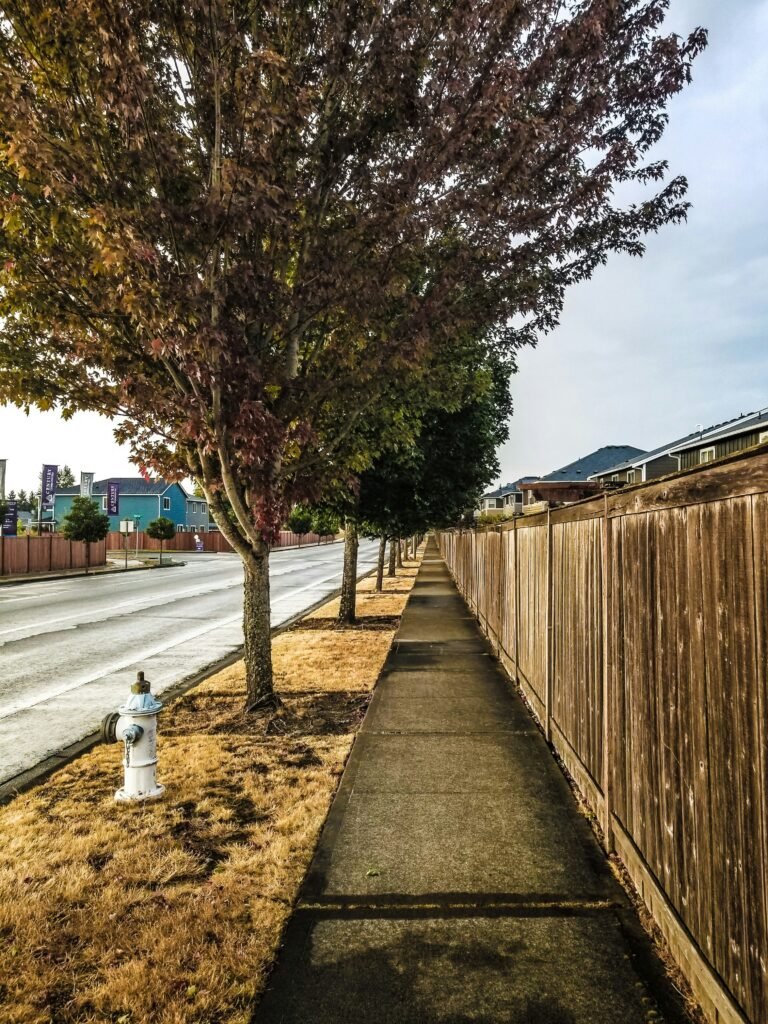
By first considering the spaces that require the most privacy, using durable materials that are built for the climate and by incorporating plant screens within your built structures, you can create a private oasis out of an exposed backyard for a fraction of the cost of a standard privacy fence. When approaching low cost privacy fences, consider them to be purposeful design features rather than a band-aid-measure correctly, understand your local ordinances and design them so you can easily make changes as your requirements or budget increase.
FAQs: Cheap Privacy Fence Ideas
1. What’s the cheapest way to get privacy without building a full fence?
Cost-effective option When using bamboo rolls, pallet panels, or privacy fabric tied to a pre-existing railing on just one area, such as a deck or patio, this generally costs far less than a full fence project. These, combined with rapid-growth plants, can make up for lost privacy.
2. Are pallet fences safe and durable enough for backyard privacy?
These are a great choice for a visually screened fence if they are made from safe, unpainted pallets, properly attached to properly set posts, as they’re often ideal for a stretch that’s relatively short, or for use as screens rather than as property line fences, and need maintenance and tightening now and then.
3. How can I make a cheap privacy fence look more “finished”?
Height continuity, repeatable segments and common color will go a long way. Painting/staining the pallets or lattices, using the same hardware and even picking the same plants will lend this more inexpensive approach an “appointed” air.
4. Are plants alone enough as a privacy fence?
In some climates, a dense stand of yes – a dense line of hedges, shrubs and even young trees – creates a truly living fence. They may take a while to grow in, though, and need steady upkeep. Adding inexpensive structure materials may offer more immediate privacy while the plants establish themselves.
5. What should renters consider when using cheap privacy fence ideas?
What renters should look for: Options are those that are not permanent, easily removable such as fabric screens, stand-alone panels, planters with attached trellises, or easily affixed, reversibly, reed or bamboo rolls. Also, look at the lease agreement, and have a chat with your landlord before putting up anything big or secured.
6. Can I mix “cheap” and “premium” materials in one project?
Definitely. You can always find more expensive and durable materials and using them on street-side elevations. For instance, an attractive fence down the street and then a simpler vine lattice down the side yard can be a great compromise.
7. How do I know if my cheap fence idea complies with local rules?
It’s always safest to research your local zoning ordinances and HOA guidelines first to get permission for any building plans, particularly where height restrictions, property lines, and permissible building materials are concerned. That way, you have the chance to adapt before you build or after.