
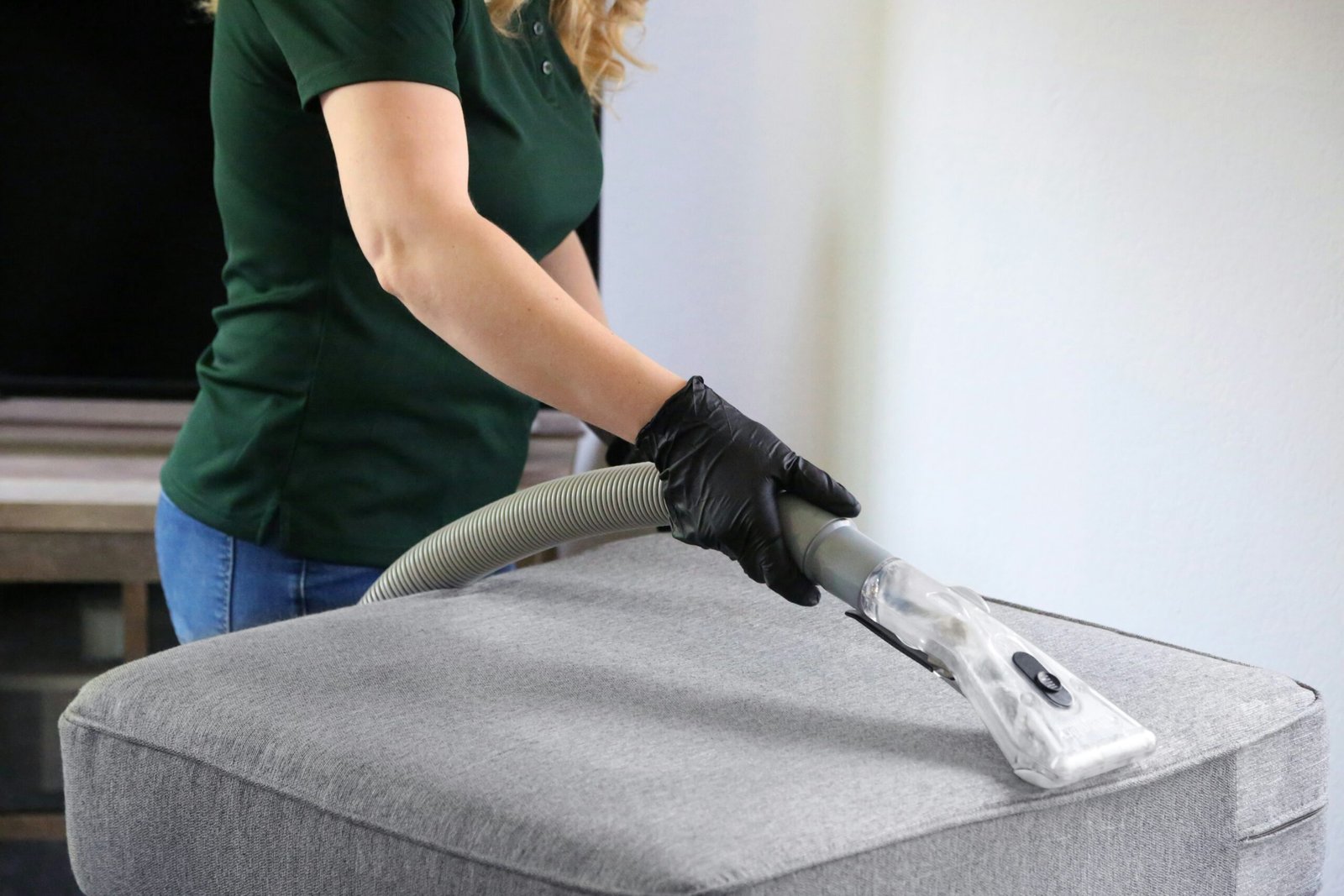
Knowing how to clean microfiber couch fabric properly matters because the wrong product or too much moisture can leave the material stiff, spotted, or uneven. Microfiber couches look beautiful and are generally easy to maintain, but they’ll attract dust, dirt, spills and oils from everyday life much faster than you may think. Fortunately, if you follow these tips, you can clean microfiber couch fabric without leaving the fibers hard, streaky or stained. Most varieties of microfiber respond to the following care guidelines. You’ll want to locate the couch’s care tag, if available. Some forms of microfiber are cleaned best with water, while others need you to take an alcohol or other solvent to the fabric. That’s the hardest part.
Why Microfiber Needs Special Care
Microfiber is often the go-to for sofa material due to its luxuriously plush texture, sophisticated finish and generally durable qualities that work great in high-traffic areas. Yet the fine strands that give it that desirable texture also make it vulnerable to the wrong treatment. Deep soakage can break down the pile, embed the stain deeper, and leave behind unsightly water rings. It’s also great at soaking up body oils and dirt, often in a way you can’t see. Your couch may look spotless from across the room, but there can be dust collecting in the seams and grease in the pile that needs regular upkeep to remain fresh.
Check the Care Label First
Take a Peek at the Manufacturer’s Tag (Before You Start) Generally, there’s a manufacturer’s tag somewhere on the couch. Check the tag for instructions to clean with water, solvent or a combination of both, and familiarize yourself with upholstery fabric care symbols before you begin. It will say more about cleaning than just about anything else. This is true because there are different kinds of microfiber! If there is a tag that code indicates it can be safe for water-based cleaning, a diluted soap-and-water system is fine. For instructions that call for solvent only, rubbing alcohol is a great and relatively safer choice to employ.
How to Clean Microfiber Couch Safely
The best approach begins with thoroughly dry cleaning the couch. Use your vacuum cleaner on every inch, focusing on the seams and beneath the cushions. Don’t forget the crevices under the arms that are common places for crumbs and other dry materials to accumulate. Skipping this stage can result in dry detritus turning into a messy mud paste when moisture is applied.
Once the dry dirt is gone, select the cleaning procedure designated by the fabric-cleaning code on your sofa’s tag. For water-safe microfiber, use a solution of diluted lightly-foaming soap and a cloth with a minimal amount of moisture; for solvent-safe microfiber, a spray bottle filled with rubbing alcohol should be lightly applied, followed by the use of your hand to brush or blot the stain on the still-dampened surface.
The main concept to focus on is working with the fabric a small section at a time. This helps to ensure that the fabric does not get too wet and makes it easier to see if your efforts are working. After the section you have targeted has been treated, allow it to air dry before attempting to use the couch again.
Water-Safe Cleaning Method
If you’re cleaning a sofa marked as suitable for water-based cleaners, create a small amount of suds by mixing a tiny drop of gentle dish soap with warm water. It is important that you don’t have a pool of suds, because excessive moisture is actually what can cause damage. Dip a soft sponge or cloth into the suds and squeeze it out – do not dip into the water beneath.
When working from the top of your couch down, make sure that the dirt does not drip onto any sections of the furniture you have already cleaned. Scrub the areas lightly and use a clean cloth moistened with water to remove all suds and dirt, and then let the material air dry completely before fluffing the fibres back with a soft brush or a vacuum with a soft brush attachment.
Although not always effective for heavy stains or greasy residues that require spot-treatment with specialized cleaners, this method is quite practical for day to day maintenance and general grime.

Solvent-Safe Cleaning Method
The DIY standby for solvent-safe microfibers is to use rubbing alcohol. Its quick drying time can also help avoid both over-wetting and water marks. The process involves lightly misting the stained spot (not saturating), and then using a soft cloth or brush to pick up the soil. After it has had time to dry a little, fluff the fibers to prevent any matted texture on your couch as well – microfiber can look ‘dirty’ even after it’s clean!
How to Treat Common Stains
Stains are not all created equal, which is often where individuals run into difficulty. If it’s a liquid, try to lift as much as possible off of the surface by immediately blotting it with a clean, dry towel or cloth. Avoid scrubbing too harshly, as it might just work the liquid further into the fabric.
Some food stains require a vacuum, a light cleaning solution and gentle dabbing, and the treatment can vary further depending on the specific food.
Grease can prove to be especially stubborn because the oils cling to artificial fibers in the fabric, and require a specific degreaser rather than a saturated soaking. It might surprise you how well an “ odor ‘ stink ’ of human oil, body fluids, body oils, and body and even old stains, if any old spill on you may consider a thoroughly cleaning and dry and will work better than any commercial air cleaner or odor neutralizer, not simply trying to cover it up.”
Common Mistakes to Avoid
You use too much liquid. Microfiber doesn’t require being drowned to do a clean and can sometimes create rings or dry, crunchy areas on your furniture with a heavy hand. You will find the best result can usually be attained by lightly spraying on the solution, allowing it to settle for 5-10 seconds, and then proceeding to dab the stain away.
You will also fail to read the tag. You’ll miss instructions to avoid using a water-based product when caring for a particular furniture type. Such action can create more damage to the fabric than the original stain did. “So knowing the code is important before attempting any cleaning on furniture.” Your next mistake may have you scratching your head.
Most people omit brushing after cleaning. Brushing your fibers restores the look and feel and ensures your upholstery isn’t left looking flattened out or worn in appearance. “So if your sofa looks or feels a bit coarse after cleaning then you just need a brush, not a better cleaning solution.”
Expert Tips for Better Results
Vacuuming beforehand and after cleaning works wonders. Vacuuming beforehand eliminates dirt and debris that might get worked into the fabric. Afterwards it fluffs up the fibers to make your sofa look refreshed.
Before using any cleaner, test a small area of your sofa that’s not easily noticeable. This is particularly true for dark upholstery, dyed fabrics, and those with a particular finish, so a small test won’t lead to a big oops right in the center of your cushion. Take your time and let the section dry out before deciding whether more treatment is required. Microfiber is one type of fabric that may look different when it is damp and may appear like you need to treat it further, so take the time and let it air dry to give you an accurate visual.
Troubleshooting Problem Areas
If part of your couch appears to be darker after cleaning, the upholstery fabric may still be damp. Give it a little time to air dry before you worry about your stain persisting. Sometimes the “stain” is merely residual dampness that can and will even itself out once the upholstery fully dries.
If the surface feels a little stiff, then there is a chance you are using too much product or left behind some leftover detergent/residue in the upholstery fabric.
After the cleaned area has dried, brush down the upholstery, but try to do so while the spot is slightly damp so as to pick up some of the excess residue. If you notice a lingering smell after you are finished cleaning, the issue might not be as superficial as you thought it would be and might be lodged somewhere deeper within the couch cushion.
How Often to Clean
A full deep clean is also not typically a weekly chore and fits well into a regular home cleaning routine.
For many families, regular vacuuming and immediate stain attention is more than adequate to keep a microfiber couch from showing signs of wear. Deeper cleanings can be reserved for more obvious issues like spills, odors, or seasonal cleaning.
Houses with many feet and many pets will probably require more frequent cleanings than one that has less foot traffic and fewer furry occupants.
However, spot-cleaning as needed can prevent a deeper cleaning from being a necessity any time soon, because the cleaner that you spot clean a microfiber couch can actually harm a whole cushion if too much product is applied to it and it is left on for too long.
Conclusion
Learning how to clean microfiber couch fabric the right way comes down to one simple idea: match the method to the care label and avoid over-wetting the material. Identifying which treatment your sofa requires for water or solvent helps streamline and demystify the process and greatly reduce the overall stress involved. A small amount of preparation, light hand, and appropriate drying, can prolong the life and vibrancy of your upholstery for years.
If you approach your microfiber with gentle handling and a proactive approach to stains, there’s no fabric upholstery that requires less upkeep. Just make sure that you aren’t rushing and using one type of cleaner for all jobs. By giving your microfiber the specific care it deserves, you’ll enhance its look and lifespan.

Common Ask Questions About How To Clean Microfiber Couch
How do I know if my microfiber couch is water-safe?
Check the care label first. If the tag allows water-based cleaning, you can usually use a mild soap-and-water method.
Can I use rubbing alcohol on microfiber?
Yes, but only if the care label supports solvent cleaning. It is commonly used for solvent-safe microfiber because it dries quickly.
What should I do before cleaning a microfiber couch?
Vacuum the entire couch, including seams and under cushions, to help reduce household dust and allergens before cleaning. This removes loose debris before you apply any cleaner.
Why does my microfiber couch look worse after cleaning?
It may still be drying, or the fibers may need brushing to restore the texture. Uneven moisture can make the fabric look blotchy until it fully dries.
Can I use a steam cleaner on microfiber?
Not unless the manufacturer specifically says it is safe. Too much heat or moisture can damage the fabric.
How do I remove odors from a microfiber couch?
Light cleaning, proper drying, and brushing the fibers often help. If the odor is deep in the cushions, surface cleaning may not be enough.