
Hearing a high-pitched squeal every time you press the brake pedal can be frustrating and sometimes alarming. Many drivers immediately assume the worst, believing that squeaky brakes always mean expensive repairs or dangerous brake failure. In reality, brake noise can result from several different causes, ranging from harmless moisture on the brake rotors to worn brake pads that require immediate replacement. Understanding how to fix squeaky brakes begins with identifying the source of the noise rather than guessing at the solution.
Modern braking systems are designed to provide reliable stopping power under a wide variety of driving conditions. However, even well-maintained brakes can occasionally squeak. Changes in weather, dust buildup, glazing on brake pads, or normal wear can all contribute to unwanted noise. While some causes are temporary, others indicate that the braking system needs attention to maintain both safety and performance.
This guide explains how to fix squeaky brakes by examining the most common causes, the diagnostic process, practical repair methods, and preventative maintenance. Whether you drive a compact car, SUV, pickup truck, or hybrid vehicle, understanding why brakes squeak can help you determine whether the problem can be resolved with basic maintenance or requires professional service.
Understanding How Disc Brakes Work
Before learning how to fix squeaky brakes, it’s helpful to understand how modern disc brakes operate.
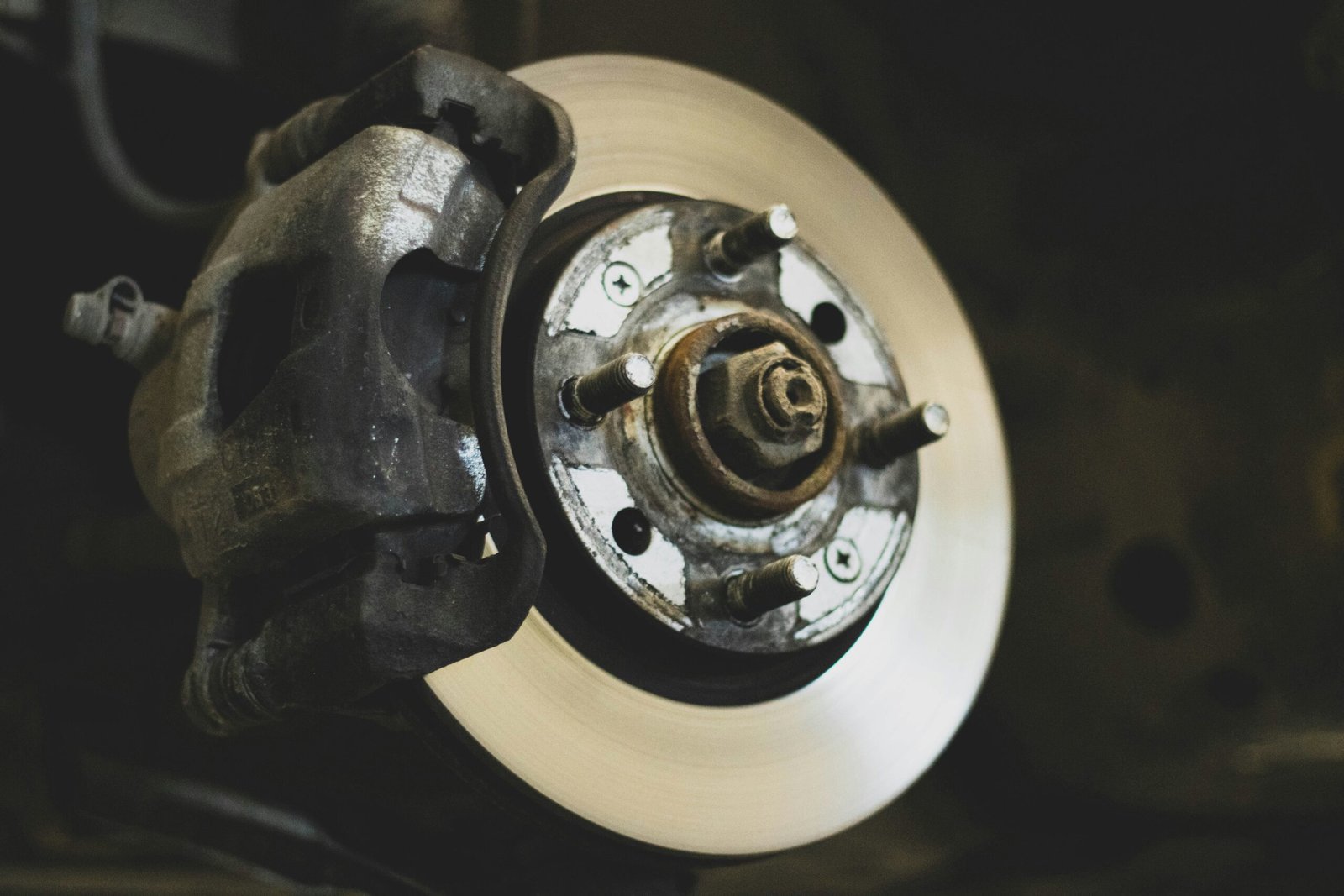
When you press the brake pedal, hydraulic pressure forces the brake caliper to squeeze the brake pads against the rotating brake rotor. Understanding how disc brake systems work makes it easier to diagnose brake noise and maintenance issues. The friction created between the brake pads and the rotor slows the wheels, allowing the vehicle to stop safely.
Because braking relies on friction, some amount of vibration naturally occurs. Under normal conditions these vibrations are too small to hear. However, if vibration increases due to contamination, uneven wear, or damaged components, it can produce the familiar squealing or squeaking sound.
Understanding this relationship between friction and vibration makes it easier to diagnose how to fix squeaky brakes correctly.
Why Do Brakes Squeak?
Many different conditions can create brake noise. Identifying the exact cause is the most important step before attempting repairs.
Normal Morning Moisture
One of the most common reasons brakes squeak is overnight moisture.
Rain, humidity, dew, or condensation can leave a thin layer of surface rust on the brake rotors. When you first drive the vehicle, the brake pads remove this light rust during the first few stops.
In many cases, the squeaking disappears within a few minutes.
If this happens only during the first drive of the day, learning how to fix squeaky brakes may simply involve recognizing that no repair is necessary.
Brake Dust Buildup
Brake pads gradually wear down during normal driving.
As they wear, they produce fine brake dust that can accumulate between the brake pad and rotor.
Excessive dust sometimes causes vibrations that produce squealing noises.
Cleaning the brake assembly carefully can often eliminate this problem.
Worn Brake Pads
Brake pads contain friction material that slowly wears away with use.
Many modern brake pads include built-in wear indicators designed to produce a high-pitched squeal when replacement becomes necessary.
If the squeaking occurs consistently during braking, worn brake pads are one of the first components to inspect.
Understanding how to fix squeaky brakes often begins with checking pad thickness.
Glazed Brake Pads
Repeated hard braking or excessive heat can harden the surface of the brake pads.
This condition, known as glazing, reduces braking efficiency and often creates persistent squealing.
Light glazing can sometimes be corrected, while severe glazing usually requires replacement.
Glazed Brake Rotors
Brake rotors can also develop smooth, polished surfaces after repeated overheating.
A glazed rotor provides less effective friction and may increase brake noise.
Inspection determines whether resurfacing or replacement is the better solution.
Environmental Factors That Affect Brake Noise
Many drivers are surprised to discover that brake noise changes throughout the year.
Cold temperatures can temporarily increase squeaking because brake materials contract slightly.
High humidity increases moisture on brake components.
Road salt, dirt, pollen, and sand can all become trapped between the brake pad and rotor.
Understanding these seasonal influences helps explain why drivers sometimes search for how to fix squeaky brakes even though no mechanical failure exists.
Diagnosing the Source of Brake Noise
Correct diagnosis prevents unnecessary repairs.
Before replacing parts, observe when the squeaking occurs.
Questions to consider include:
- Does the noise occur only during the first few stops?
- Does it happen only while braking?
- Is the sound louder after rain?
- Does it occur at low speed or highway speed?
- Is braking performance affected?
The answers help narrow the possible causes.
For example, squeaking accompanied by reduced stopping power deserves immediate inspection.
On the other hand, temporary morning squeaks often disappear naturally.
Learning how to fix squeaky brakes always starts with careful observation rather than replacing parts unnecessarily.
Step-by-Step Brake Inspection
If you’re comfortable performing basic vehicle maintenance, a visual inspection can reveal many common problems.
Begin by parking the vehicle on a level surface and following all safety precautions.
Remove the wheel to inspect the brake assembly.
Check the brake pads for remaining friction material.
Inspect the rotor for deep grooves, scoring, rust buildup, or discoloration.
Look for uneven wear patterns on both pads.
Also inspect the caliper, mounting hardware, and anti-rattle clips for looseness or damage.
If anything appears excessively worn or damaged, replacement is generally safer than attempting temporary repairs.
How to Fix Squeaky Brakes Caused by Dust
One of the simplest solutions involves removing accumulated brake dust.
Using an approved brake cleaner, carefully clean the brake pads, rotor, caliper, and surrounding hardware.
Compressed air should generally be avoided because it can spread brake dust into the air.
Once cleaned, reinstall the components correctly and test the brakes carefully.
Many minor squeaking problems disappear after a thorough cleaning.
Applying Brake Lubricant Correctly
Another important step in how to fix squeaky brakes involves proper lubrication.
Brake lubricant should never be applied to the friction surface of the brake pads or brake rotors.
Instead, a high-temperature brake lubricant is applied only to the appropriate contact points where the brake pads touch the caliper hardware.
This reduces unwanted vibration while allowing the braking surfaces to maintain proper friction.
Using the wrong lubricant or applying it incorrectly can reduce braking performance and create safety hazards.
When Brake Pads Should Be Replaced
Brake pads eventually wear out regardless of driving habits. Following a vehicle brake maintenance schedule helps prevent excessive wear and unexpected brake problems.
Most manufacturers recommend replacement before the friction material becomes excessively thin.
Ignoring worn brake pads can allow metal backing plates to contact the brake rotors, causing expensive rotor damage in addition to increased stopping distance.
Replacing worn brake pads promptly is one of the most effective ways to solve persistent brake squeal while maintaining safe braking performance.
Knowing how to fix squeaky brakes includes recognizing when maintenance is no longer enough and replacement becomes necessary.
Brake Rotor Problems and Their Solutions
Learning how to get rid of squeaky brakes isn’t always about brake pads; brake rotors can also be the culprit. Their primary role in the braking system is to offer a smooth surface for the brake pads to grab onto, but they can also create squeaking or grinding sounds when they’re worn out. Repetitive braking causes excessive wear and heat buildup that forms a glaze on the rotor’s surface (making it harder for pads to get a good grip).
The rotor surface can also develop low spots and unevenness from wearing, increasing friction and vibration.
Inspect rotors for heavy scoring, cracks, blue spots, or excessive rust. If only minor surface imperfection are noted, have them resurfaced as long as they meet the minimum manufacturer thickness. Replace badly pitted, worn out, or damaged rotors, and you’ll usually resolve the squeaking problem when replacing brake pads and rotors together.
Why Brake Pad Material Matters
Many drivers don’t realize that the type of brake pad installed on a vehicle can affect brake noise. If you’re researching how to fix squeaky brakes, understanding the differences between brake pad materials can help you choose the right replacement.
Ceramic Brake Pads This type is quieter and creates less brake dust, so you’ll often find it used in your typical everyday passenger cars where it offers smooth and stable stopping action and is typically long-lasting. Ceramic pads are also the quietest option. Semi-Metallic Brake Pads These feature metal fibers which give them extra stopping strength and durability – great if you regularly haul or deal with high loads, but they can be a bit noisier than others (especially in cold).
Organic Brake Pads Organic pads are typically very quiet and smooth but wear down at a much faster rate than semi-metallic and ceramic pads.
To minimize the amount of brake squeal your vehicle generates, be sure to choose brake pads which are appropriate to the way you drive your car and which are recommended by your car’s manufacturer.
The Importance of Bedding New Brake Pads
Installing new brake pads does not always eliminate brake noise immediately. One important step in how to fix squeaky brakes is properly bedding the new pads.
Brake bedding is a controlled process that gradually transfers an even layer of brake pad material onto the rotor surface. This creates consistent contact between the two components and helps minimize vibration.
Although the exact procedure varies by brake pad manufacturer, it typically involves making several moderate stops from a safe speed while allowing the brakes to cool between applications.
Skipping this process may increase the likelihood of squeaking, uneven wear, or reduced braking performance.
Common Mistakes When Trying to Fix Squeaky Brakes
A good number of brake squealing issues occur or are worsened due to improper repairs. Knowing what to avoid can be as important as knowing how to eliminate it properly.
One of the worst remedies applied to squealing brakes is the direct application of certain sprays on the pads or rotors. Things like lubricants such as WD-40 or common household oils contaminate these parts and significantly decrease the effectiveness of the brake, thus creating a real safety issue.
Replacing the pads alone, without looking at other parts of the brake assembly such as the rotors, calipers, hardware and guides pins is another mistake. As several parts contribute to proper brake function, ignoring a worn part can let a noise quickly return.
Driving with squealing brakes for a little while, when the issue first develops can also cause other issues. A temporary squeal due to wet weather will eventually fade away; persistent squealing on the other hand should never be ignored, or even worse, treated.
Preventing Brake Squeaks in the Future
Preventive maintenance is the best method of minimizing the return of brake noise. You can find more practical home and maintenance tutorials on the Grow With Home. After you’ve fixed squeaky brakes for the first time, the keys to minimizing return is good preventive maintenance. By having your brakes checked periodically, components will wear and require service prior to turning into costly repairs.
During regular scheduled service you should also have excessive brake dust removed from brake assemblies as this causes vibration and noise as well.
Excessive heat can cause glaze in brake pads and rotors, so it is beneficial to prevent this whenever possible by gentle braking. Smooth braking results in longer life from your brake pads and rotors and also aids the fuel economy of your vehicle. If your vehicle sits unused for lengthy amounts of time occasionally drive it to remove light surface rust from the brake rotors prior to significant build up.
When Should You See a Professional Mechanic?
Although many minor brake squeaks can be diagnosed through visual inspection, some situations require professional attention.
Seek professional service if:
- The squeaking becomes grinding or scraping.
- The vehicle pulls to one side while braking.
- The brake pedal feels soft or spongy.
- Warning lights appear on the dashboard.
- Vibrations occur while braking.
- Stopping distance noticeably increases.
These symptoms may indicate problems beyond normal brake wear and should be inspected promptly.
Knowing how to fix squeaky brakes also means recognizing when safety requires experienced diagnosis and repair.
Expert Tips for Quiet, Long-Lasting Brakes
Professional technicians often follow a few simple practices that help reduce brake noise and improve braking performance.
Always install high-quality replacement parts that meet your vehicle manufacturer’s specifications. Quality brake pads often include better shims and noise-reduction features.
Clean all brake hardware thoroughly during every brake service. Even small amounts of debris can create vibrations that lead to squeaking.
Lubricate only the recommended contact points using a high-temperature brake lubricant designed specifically for braking systems.
Replace damaged anti-rattle clips and worn hardware whenever new brake pads are installed.
Finally, follow the recommended bedding procedure after replacing brake pads or rotors to ensure proper contact between braking surfaces.
These practices greatly improve the chances of permanently solving how to fix squeaky brakes.
Final Thoughts
Knowing how to repair squeaking brakes is not just about getting rid of that unpleasant noise. Brake noise can actually tell you a lot about your brake system; the squeak you hear (especially squeaking that occurs from time to time-like when moisture collects or there’s a little dust on your brake pads) is generally nothing to worry about. A squealed that just doesn’t go away could be a sign of a more serious problem, like the uneven surface of glazed rotors.
The following points should be checked to overcome most of the problem associated with brake noises: careful inspection of the brake system, removal of heavy dust deposits, use of suitable brake lubricant, fitting of appropriate wear parts and appropriate installation etc.
Above all, do not overlook changes in braking ability. It’s okay if the brakes are dead silent, just so long as the braking remains safe and consistent.
Frequently Asked Questions
1. What is the most common reason for squeaky brakes?
The most common causes include moisture on the brake rotors, brake dust buildup, worn brake pads, glazed brake pads, or damaged brake hardware.
2. Can squeaky brakes be dangerous?
Not always. Temporary squeaking after rain or overnight moisture is usually harmless. However, persistent squealing, grinding, or reduced braking performance should be inspected immediately.
3. Can I drive with squeaky brakes?
If the noise is brief and braking performance remains normal, the cause may be minor. If the squeaking continues or braking performance changes, have the brake system inspected as soon as possible.
4. Does brake cleaner stop squeaking?
Brake cleaner can remove dust and contaminants that contribute to brake noise, but it will not repair worn or damaged brake components.
5. How often should brake pads be replaced?
Brake pad lifespan varies depending on driving conditions, vehicle type, and brake pad material. Regular inspections are the best way to determine when replacement is necessary.