
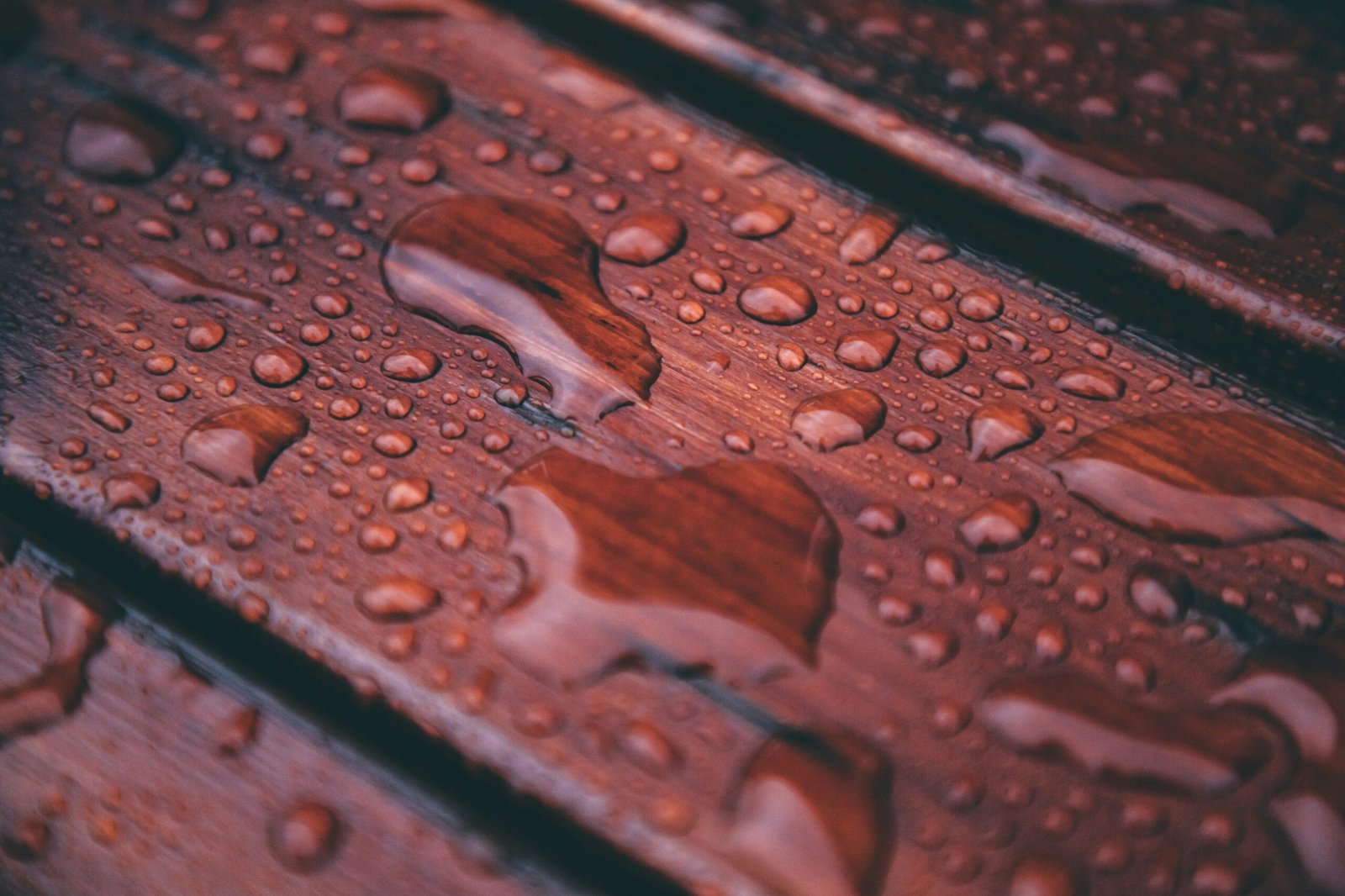
The Perfect Protective Finish Regardless if you’re restoring your hardwood floors, applying a protective coating to custom woodworking, or finishing a DIY furniture project, the right top coat is as essential to the overall project as the wood itself. Among the most popular choices is water based polyurethane, a durable finish appreciated for its clear clarity, swift drying, and minimal scent. It resists ambering – the tint commonly produced by conventional oil-based finishes.
That means your woodworking project will retain its natural color as a water-based polyurethane film shields it from scratches, moisture, and daily use.
Because of its relatively easier cleanup and faster drying characteristics, it’s become a go-to finish for homeowners, contractors, woodworkers and furniture builders. This guide is all you need to understand what is water based polyurethane, how it functions, its strengths and weaknesses, the ideal applications for the finish, and how to apply it.
What Is Water Based Polyurethane?
Water Based Polyurethane- A clear, protective wood finishing product. Water based polyurethanes utilize water as the base carriers rather than the oil-based or petroleum-based solvents found in other polyurethane coatings. After you apply the finish to your wood, the water evaporates to leave behind a very strong polyurethane barrier, resistant to moisture, scratches, stains and general damage.
Water may be the primary ingredient, but once dry the final coating is very strong and the latest formulas are capable of standing up to a lot of wear.
They make an excellent finishing choice for commercial use as well as for residential purposes. The fact that this type of polyurethane will dry clear, makes it a very popular choice on light wood finishes like white oak, ash, maple, and birch.
How Does Water Based Polyurethane Work?
When applied to wood, the liquid finish spreads evenly across the surface.
As the water evaporates, polyurethane resins bond together to create a hard, transparent protective coating.
Unlike penetrating oils that soak into wood fibers, polyurethane forms a protective layer on top of the wood. This barrier helps resist:
- Surface scratches
- Minor impacts
- Household chemicals
- Moisture
- Dirt
- Everyday wear
Multiple coats increase durability while improving the depth and consistency of the finish.
Types of Water Based Polyurethane
Not all water based polyurethane products are identical. Different formulations are developed to meet different needs and applications.
Floor Polyurethane
Designed specifically for hardwood flooring, these products prioritize abrasion resistance and durability under heavy foot traffic.
Many professional-grade floor finishes also provide enhanced resistance to household cleaners and furniture movement.
Furniture Polyurethane
Furniture formulations often focus on clarity and appearance while still offering good durability for tables, cabinets, shelves, and decorative woodwork.
Commercial Polyurethane
Commercial-grade finishes are formulated for demanding environments such as offices, retail stores, schools, and public buildings where heavy daily use is expected.
These products often require professional application.
Available Finish Options
Most manufacturers offer water based polyurethane in several sheen levels.
Matte
Provides very little reflection and creates a natural-looking finish.
Ideal for rustic furniture and modern interior designs.
Satin
One of the most popular choices.
Offers a soft, smooth appearance while hiding minor scratches and dust better than glossier finishes.
Semi-Gloss
Produces a brighter finish with moderate reflectivity.
Often used on trim, cabinets, furniture, and hardwood floors.
Gloss
Creates the highest level of shine and highlights the wood surface dramatically.
Gloss finishes typically show scratches, dust, and imperfections more easily than lower-sheen options.
Benefits of Water Based Polyurethane
One reason water based polyurethane has become so popular is its balance between appearance, durability, and ease of use.
Dries Clear
Unlike many oil-based finishes, it does not significantly change the natural color of most wood species.
This makes it an excellent choice when preserving the original appearance is important.
Fast Drying
Many products dry to the touch within a few hours, allowing additional coats to be applied sooner than traditional oil-based polyurethane.
Shorter drying times often reduce the total project duration.
Low Odor
Because water serves as the primary carrier, the odor is generally much milder than solvent-based finishes.
This makes indoor application more comfortable, although adequate ventilation is still recommended.
Easy Cleanup
Brushes, rollers, and other application tools can usually be cleaned with soap and water before the finish cures.
No harsh solvents are typically required for cleanup.
Low VOC Options
Many modern water based polyurethane products contain lower levels of volatile organic compounds (VOCs) than traditional oil-based alternatives.
Some formulations are designed specifically for indoor air quality considerations.
Potential Drawbacks
Although water based polyurethane offers many advantages, it also has limitations.
Can Raise the Wood Grain
Because the finish contains water, the first coat may cause wood fibers to swell slightly.
Light sanding between coats usually resolves this issue and produces a smoother final surface.
Less Warm Color
Many people appreciate the warm amber tone created by oil-based polyurethane.
Since water based polyurethane dries clear, it preserves the wood’s natural color instead of deepening it significantly.
Whether this is an advantage or disadvantage depends on personal preference and the type of wood being finished.
Surface Preparation Is Critical
Surface preparation is critical because proper sanding and cleaning create a smoother finish and better adhesion, especially when following a reliable wood finishing techniques guide.
Water-based finishes tend to highlight sanding marks, scratches, and surface imperfections more than some oil-based products.
Proper preparation is essential for professional-looking results.
Best Uses for Water Based Polyurethane
This finish performs well in many residential woodworking projects.
Common applications include:
- Hardwood floors
- Dining tables
- Coffee tables
- Kitchen cabinets
- Bathroom vanities
- Shelving
- Interior doors
- Trim
- Stair railings
- Custom furniture
- Children’s furniture
- Built-in cabinets
Its clear finish makes it especially suitable for lighter wood species where preserving the natural appearance is a priority.
How to Apply Water Based Polyurethane
Applying water based polyurethane correctly can significantly improve the final appearance and durability of your project.
Step 1: Prepare the Surface
Remove dust, grease, wax, and any previous loose finish.
Sand the wood smoothly using progressively finer sandpaper until the surface feels even.
After sanding, remove all dust using a vacuum and tack cloth.
Step 2: Stir Gently
Avoid shaking the container.
Shaking introduces air bubbles that may appear in the finished surface.
Instead, stir the product slowly before use.
Step 3: Choose the Right Applicator
Many manufacturers recommend:
- High-quality synthetic brushes
- Microfiber applicators
- Foam brushes (for smaller projects)
- Applicator pads designed for water-based finishes
Natural bristle brushes generally perform better with oil-based products than with water-based finishes.
Step 4: Apply Thin Coats
Apply smooth, even coats while maintaining a wet edge.
Avoid over-brushing once the finish begins leveling.
Thin coats generally produce better results than heavy applications.
Step 5: Sand Between Coats
After each coat has dried according to the manufacturer’s recommendations, lightly sand using fine-grit sandpaper.
This removes dust nibs, smooths raised grain, and improves adhesion for the next coat.
Always remove sanding dust before applying another coat.
How Many Coats Are Recommended?
The ideal number depends on the project and expected wear.
As a general guideline:
- Decorative furniture: 2–3 coats
- Dining tables: 3–4 coats
- Kitchen cabinets: 3–4 coats
- Hardwood floors: Often 3–5 coats, depending on the product and traffic level
Following the manufacturer’s instructions is important because recommendations vary between products.
Choosing the Right Water Based Polyurethane
Before purchasing, consider:
- Indoor or outdoor use
- Desired sheen level
- Expected traffic or wear
- Wood species
- Drying time
- VOC requirements
- Application method
- Manufacturer recommendations
Selecting a product designed for your specific project generally produces the best long-term results. You can also explore more home improvement and woodworking guides for additional finishing and maintenance tips.
Drying Time vs. Curing Time
One of the biggest advantages of water based polyurethane is its relatively fast drying time. However, it’s important to understand the difference between a finish being dry and being fully cured.
A surface may feel dry to the touch within a few hours, allowing additional coats to be applied sooner than with many oil-based finishes. Full curing, however, takes considerably longer. During the curing process, the protective coating continues to harden and develop its maximum durability.
Because drying and curing times vary by manufacturer, temperature, humidity, and airflow, always follow the product label for specific recommendations. Avoid placing heavy furniture, rugs, or other objects on newly finished surfaces until the finish has fully cured.
Water Based Polyurethane vs. Oil-Based Polyurethane
Many homeowners compare water based polyurethane with traditional oil-based polyurethane before beginning a project. Both provide durable protection, but each has distinct advantages.
| Feature | Water Based Polyurethane | Oil-Based Polyurethane |
| Color | Dries clear and preserves natural wood color | Adds a warm amber tone over time |
| Drying Time | Faster drying between coats | Slower drying |
| Odor | Lower odor | Stronger solvent smell |
| Cleanup | Soap and water | Mineral spirits or paint thinner |
| VOC Levels | Often lower | Generally higher |
| Best For | Light-colored woods, quick projects | Rich color enhancement and traditional finishes |
The best choice depends on the appearance you want, the type of wood, and the conditions where the finish will be applied.
Maintenance and Care

A properly applied water based polyurethane finish can last for years when maintained correctly.
Simple maintenance practices include:
- Sweep or dust regularly to remove dirt and grit.
- Clean spills promptly to prevent moisture damage.
- Use furniture pads under heavy items.
- Avoid dragging furniture across finished floors.
- Clean with products recommended for polyurethane finishes.
- Place mats near entryways to reduce dirt and sand buildup.
Although polyurethane provides excellent protection, no finish is completely scratch-proof. Regular care helps preserve its appearance and extend its lifespan.
Common Mistakes to Avoid
Even high-quality water based polyurethane can produce disappointing results if applied incorrectly.
Skipping Surface Preparation
Dust, grease, old finishes, or rough sanding marks can prevent proper adhesion and reduce the quality of the final finish.
Preparing the wood thoroughly is one of the most important steps in the entire project.
Applying Thick Coats
Many beginners believe thicker coats provide better protection.
In reality, heavy applications may increase the risk of drips, uneven leveling, and longer drying times.
Several thin coats generally produce a smoother and more durable finish.
Ignoring Sanding Between Coats
Light sanding between coats removes raised wood fibers and small imperfections while improving adhesion.
Skipping this step may leave the finish feeling rough or uneven.
Working in Poor Conditions
Temperature and humidity influence how water based polyurethane dries.
Very humid environments can slow drying, while excessive heat may cause the finish to dry too quickly, making application more difficult.
Following the manufacturer’s recommended temperature range usually produces the best results.
Using the Wrong Applicator
Low-quality brushes or rollers can leave streaks, bubbles, or lint in the finish.
Using tools specifically designed for water-based finishes helps achieve a smoother appearance.
Expert Tips for Professional Results
Professionals often rely on a few simple techniques to improve the final finish.
Allow the finish to acclimate to room temperature before use, especially if it has been stored in a cold garage or workshop.
Maintain a clean workspace to minimize dust settling on freshly coated surfaces.
Apply each coat in a consistent direction and avoid repeatedly brushing areas that have already begun drying.
Good lighting is also important. Viewing the surface from different angles helps identify missed spots or uneven coverage before the finish begins to set.
Patience is equally important. Allowing each coat to dry completely before sanding or recoating typically produces a stronger and more attractive finish.
Is Water Based Polyurethane the Right Choice?
For many homeowners and woodworkers, water based polyurethane offers an excellent balance of durability, appearance, and ease of application.
It is especially well suited for:
- Hardwood floors
- Interior furniture
- Cabinets
- Trim
- Shelving
- Doors
- Children’s furniture
- DIY woodworking projects
Those who want to preserve the wood’s natural color often prefer water-based finishes over oil-based alternatives.
However, projects requiring a richer amber appearance may benefit from an oil-based finish instead.
Choosing the right product depends on the type of project, desired appearance, durability requirements, and application environment, along with understanding DIY home improvement projects that require different protective finishes.
Conclusion
As a trusted choice for protecting wood, water based polyurethane offers many benefits for wood projects including strong protection, speedy drying, easy soap and water cleanup, and a crystal clear final look. This type of polyurethane can be a perfect solution when refinishing hardwood, providing protection on fine furniture or for a DIY project on the weekend. You can count on water based polyurethanes to keep your project safe from daily use, as long as you prepare the surfaces appropriately, apply evenly, and allow it time to cure.
You will want to be aware of differences between oil-based and water-based polyurethanes, know what sheen to select, and read all directions provided on the polyurethane container.
Water based polyurethane is the right selection for many of your woodworking and DIY project needs.
Frequently Asked Questions
1. Is water based polyurethane durable enough for hardwood floors?
Yes. Many products are specifically designed for hardwood flooring and provide excellent resistance to normal foot traffic, scratches, and household wear when applied according to the manufacturer’s instructions.
2. Does water based polyurethane change the color of wood?
Generally, no. It dries clear and preserves the wood’s natural color, making it especially popular for light-colored wood species such as maple, ash, and birch.
3. Can water based polyurethane be applied over stained wood?
Yes. Once the stain has dried according to the stain manufacturer’s recommendations, water based polyurethane can usually be applied as a protective topcoat.
4. How many coats of water based polyurethane should I apply?
Most furniture projects benefit from two to three coats, while high-traffic surfaces such as hardwood floors often require three to five coats. Always follow the recommendations provided by the product manufacturer.
5. Can I apply water based polyurethane with a roller?
Some products are designed for application with microfiber rollers or applicator pads, particularly on large floor surfaces. Always use the application method recommended by the manufacturer.
6. How long should I wait before using a newly finished surface?
Although the finish may feel dry within several hours, full curing takes longer. Wait until the manufacturer’s recommended curing period has passed before exposing the surface to heavy use.