
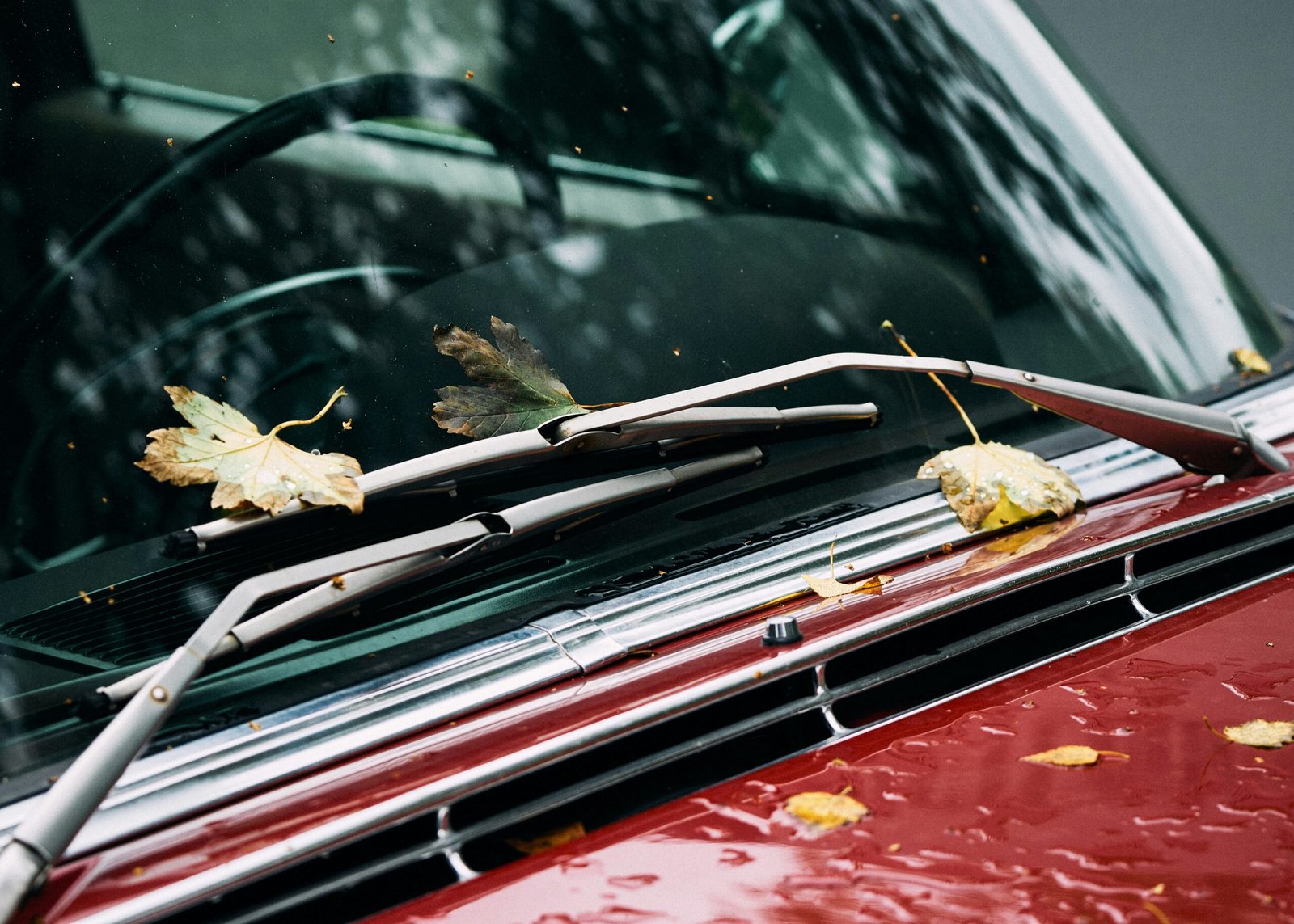
Windshield wipers are one of the most overlooked yet essential safety components on any vehicle. They help maintain a clear view of the road by removing rain, snow, dirt, dust, and debris from the windshield. However, like any part exposed to changing weather conditions, windshield wiper blades wear out over time. Learning how to replace windshield wipers is a valuable skill that every vehicle owner should know because it improves visibility, enhances driving safety, and can save money on routine vehicle maintenance.
Many drivers continue using damaged wiper blades long after they stop working properly. Streaks on the windshield, squeaking noises, skipping across the glass, or reduced visibility during rain are all signs that replacement may be necessary. Fortunately, how to replace windshield wipers is a straightforward process that requires only a few minutes and very few tools.
This guide explains how to replace windshield wipers from start to finish, including how windshield wipers work, how to identify worn blades, how to choose the correct replacement, and the proper installation process. Understanding these basics helps ensure your new wipers perform effectively in all weather conditions.
Understanding How Windshield Wipers Work
Before learning how to replace windshield wipers, it helps to understand how the system operates.
A windshield wiper system consists of several components working together. The wiper motor powers the movement of the wiper arms through a linkage mechanism. Attached to each wiper arm is a replaceable rubber blade supported by a metal or plastic frame. As the motor moves the arms back and forth, the rubber edge presses against the windshield, sweeping away water and debris.
The effectiveness of the system depends largely on the condition of the rubber blade. Over time, sunlight, heat, freezing temperatures, dirt, and constant friction gradually wear down the rubber. Once the edge loses flexibility or develops cracks, it can no longer clean the windshield properly.
Understanding this wear process makes it easier to recognize when how to replace windshield wipers becomes necessary.
Why Windshield Wipers Need Regular Replacement
Many drivers wait until heavy rain exposes worn-out wiper blades, but replacing them before complete failure is much safer.
Rubber naturally deteriorates when exposed to ultraviolet rays, ozone, temperature changes, and road contaminants. Even if the wipers are not used frequently, the blades continue to age.
As the rubber hardens or cracks, it loses its ability to maintain even contact with the windshield. Instead of clearing water smoothly, worn blades leave streaks, chatter across the glass, or miss sections of the windshield entirely.
Learning how to replace windshield wipers before visibility becomes poor helps reduce driving risks during rainstorms, snowfall, or dusty conditions.
Signs Your Windshield Wipers Need Replacement
Recognizing the warning signs is the first step before learning how to replace windshield wipers.
One of the most common symptoms is streaking. If water remains on the windshield after each pass, the rubber edge may no longer be making full contact with the glass.
Another common sign is squeaking. While occasional noise can occur on a dry windshield, continuous squeaking during normal use often indicates hardened or damaged rubber.
Skipping or bouncing across the windshield is another indication that the blade has lost flexibility.
Visible cracks, tears, missing rubber sections, or bent frames are clear signs that replacement is overdue.
Many vehicle manufacturers recommend inspecting windshield wipers every six months and replacing them approximately every six to twelve months, depending on driving conditions and climate.

Choosing the Correct Replacement Wiper Blades
Before beginning how to replace windshield wipers, selecting the correct replacement blades is essential.
Not all windshield wipers are the same size. The driver’s side, passenger side, and rear window often use different blade lengths.
The easiest way to identify the correct size is by checking your owner’s manual or using the vehicle compatibility guide provided by most auto parts retailers.
Several blade styles are commonly available.
Conventional Frame Blades
These are the traditional design found on many vehicles. They use a metal framework to support the rubber blade and are generally the most affordable option.
Beam Blades
Beam blades feature a frameless design that distributes pressure more evenly across the windshield. They perform especially well in heavy rain, snow, and icy conditions because they resist clogging.
Hybrid Blades
Hybrid windshield wipers combine the durability of conventional blades with the aerodynamic advantages of beam blades.
Choosing high-quality blades often results in quieter operation and improved durability.
Tools You’ll Need
One advantage of learning how to replace windshield wipers is that the process usually requires very few tools.
In most cases, you’ll only need:
- New windshield wiper blades
- A clean microfiber cloth
- Glass cleaner (optional)
Some specialty vehicles may require a small screwdriver, but most modern wiper blades are designed for tool-free installation.
How to Replace Windshield Wipers Step by Step
It’s actually not hard to do once you have the correct blades! Park your vehicle in a level position with the engine turned off. Gently lift the first wiper arm up away from the glass, it might remain up.
It’s a good idea to do it Gently, some will try and snap down hard on glass.
See how the blade has come off to attach to the arm. There is the classic ‘hook’ type one but some attach to the sides with different methods, (like bayonets or little pins, sometimes a button). Once that’s off, slide the new blade on to that attachment mechanism, until you feel or hear a ‘clunk’ ‘click’ or you know it’s locked firmly. Test by trying to lift it gently.
Then Gently lower the wiper arm down on to the glass.
Then simply repeat for the second set of wipers. Then give your washers and the new wipers a go, they should feel good, they’ll leave a clear streak Free clean windscreen!
Common Installation Mistakes
Even though how to replace windshield wipers is relatively easy, several mistakes can reduce the effectiveness of the new blades.
One common error is purchasing the wrong blade size. Incorrect lengths may prevent full windshield coverage or cause the blades to strike one another during operation.
Another mistake is allowing the bare metal wiper arm to snap against the windshield while the blade is removed. The metal arm can crack or scratch the glass, leading to costly repairs.
Some drivers also fail to remove the protective plastic cover that many new blades include. Forgetting this step prevents the rubber from contacting the windshield properly.
Finally, always confirm that the blade clicks securely into place before lowering the wiper arm.If the blade is loose, it could detach during driving.
How Weather Affects Windshield Wipers
Weather plays a major role in the lifespan of windshield wiper blades. Understanding this can help you know how to replace windshield wipers before they fail unexpectedly.
During summer, prolonged exposure to sunlight and high temperatures causes the rubber to dry out, harden, and develop small cracks. As the blade loses flexibility, it can no longer maintain even contact with the windshield, resulting in streaks and poor cleaning performance.
Winter creates different challenges. Learning how to protect your car during winter weather can help extend the life of your windshield wipers and other exterior components. Ice and snow can freeze the rubber to the windshield, and attempting to operate frozen wipers may tear the blade or damage the wiper arm. Before using the wipers in freezing weather, always remove accumulated ice and ensure the blades move freely.
Heavy rain, dust, pollen, road salt, and tree sap also contribute to blade wear. Even high-quality blades eventually deteriorate after months of exposure to these environmental conditions. Learning how to replace windshield wipers at the right time helps maintain clear visibility regardless of the season.
Cleaning Your Windshield Wipers
Many drivers replace their blades sooner than necessary because they overlook a simple maintenance task—cleaning them regularly.
Dirt, road grime, insect residue, and oil can build up on the rubber edge. This contamination often causes streaking even when the blades are still in good condition.
To clean the blades, dampen a microfiber cloth with water or windshield glass cleaner and gently wipe the entire length of the rubber until no dirt transfers onto the cloth. Cleaning the windshield itself is equally important because a dirty windshield accelerates blade wear.
Although cleaning cannot repair cracked or damaged rubber, it can improve performance and slightly extend blade life. Proper maintenance complements how to replace windshield wipers by helping new blades last longer.
How Often Should Windshield Wipers Be Replaced?
There is no one single rule on when to replace. Car experts generally agree that the age of windshield wipers depends on weather patterns, driving techniques, and the type of wipers.
In fact, automotive experts advise inspecting your wipers every six months and replacing them every six to twelve months. People who live in weather conditions that include direct sun, heavy snow or rain will need to change theirs more frequently.
Rely more on how your wipers work, rather than how old they are. The day your wipers leave smears, skip, squeal, and fail to clear certain portions of the windshield, you’ll need to look up how to change windshield wipers and replace your existing ones.
Should You Replace Both Wipers at the Same Time?
One of the questions customers ask us: Should I just replace the one that’s most visibly worn? It may seem obvious that one blade is “going to be more worn than the other,” says Dziubek, but it’s “typically recommended to go ahead and change out both front windshield wiper blades. Since the blades have been exposed to roughly the same wear pattern over time, if one is ready to be replaced, the other one is probably pretty darn close also.”
And, installing an unmatched pair could result in “a properly performing wiper blade on one side that leaves streaks with the much older worn one.”
If your vehicle also happens to be equipped with a rear windshield wiper blade, don’t forget to check it and replace it as needed. These generally last a little longer because they aren’t as actively used, but you don’t want one with significant wear.
Troubleshooting New Wiper Problems
Sometimes drivers complete how to replace windshield wipers correctly but still notice poor performance.
If the new blades streak immediately, check that the protective shipping cover has been removed from the rubber edge. Also clean the windshield thoroughly, as wax residue, dirt, or road film can affect performance.
If the blades chatter or bounce across the glass, confirm they are the correct size and properly locked into the wiper arm. Bent wiper arms can also prevent even pressure against the windshield.
Persistent smearing may indicate contamination from oil, silicone-based car wash products, or damaged windshield glass rather than defective wiper blades.
Carefully inspecting these factors often resolves the issue without replacing the blades again.
Tips to Extend the Life of Your Windshield Wipers
After learning how to replace windshield wipers, adopting a few preventive habits can maximize their lifespan.
Avoid operating the wipers on a dry windshield whenever possible. Dry glass creates unnecessary friction that accelerates rubber wear.
During winter, lift the blades away from the windshield if freezing temperatures are expected. This helps prevent the rubber from sticking to the glass overnight.
Remove leaves, branches, and debris trapped beneath the blades before driving. Large debris can damage both the rubber and the windshield.
Refill your windshield washer fluid regularly and use it whenever dirt or dust accumulates. Using the right windshield washer fluid for your climate can improve cleaning performance throughout the year. The fluid lubricates the glass, allowing the blades to clean more effectively.
Routine cleaning, proper storage, and careful operation all contribute to longer-lasting windshield wipers.
Why Replacing Windshield Wipers Improves Driving Safety
One of the most important aspects of safe driving is having a clear view of the road ahead, and maintaining quiet, responsive brakes by learning how to fix squeaky brakes is another important part of overall vehicle safety. Just a smidgen of skipping and streaks in the windshield can compromise our visibility of pedestrians, street androad signs, lines and fellow vehicles when it’s pouring outside.
Changing out old ones before the squeaks and splatters kick in means that when water comes streaming in, it runs off with decent, uniform flow across the entire windshield surface. This can help lower driver fatigue, keep reaction time good, and give assurance while driving in adverse weather conditions. Changing out the worn down wipers in your ride is a straightforward maintenance task but is very valuable to road safety.
Expert Recommendations
When you take your car in for oil changes and other maintenance services, automotive technicians recommend having your windshield wipers checked. This can help you determine that your blades aren’t at the end of their lifespan before they interfere with your driving vision. 2. Install high-quality, vehicle-specific replacement blades (don’t always go for the cheapest option).
While you save money with cheaper options, high-quality replacement blades usually boast softer materials that ensure better windshield contact, quieter performance and long-lasting use in any weather condition.
3. Don’t wait to replace after seeing a degradation in wiping performance.
The relative cost of new wipers can’t compare with the benefits of clear visibility when driving.
Conclusion
Learning how to replace windshield wipers is one of the easiest and most valuable vehicle maintenance skills any driver can develop. The process requires very little time, minimal tools, and only basic mechanical knowledge. By recognizing the warning signs of worn blades, selecting the correct replacements, and installing them properly, you can maintain excellent visibility throughout the year.
Regular inspections, proper cleaning, and timely replacement not only improve windshield clarity but also help protect the windshield from unnecessary wear. Whether you drive in heavy rain, snowy winters, or dusty conditions, understanding how to replace windshield wipers ensures your vehicle remains prepared for changing weather and safer everyday driving.
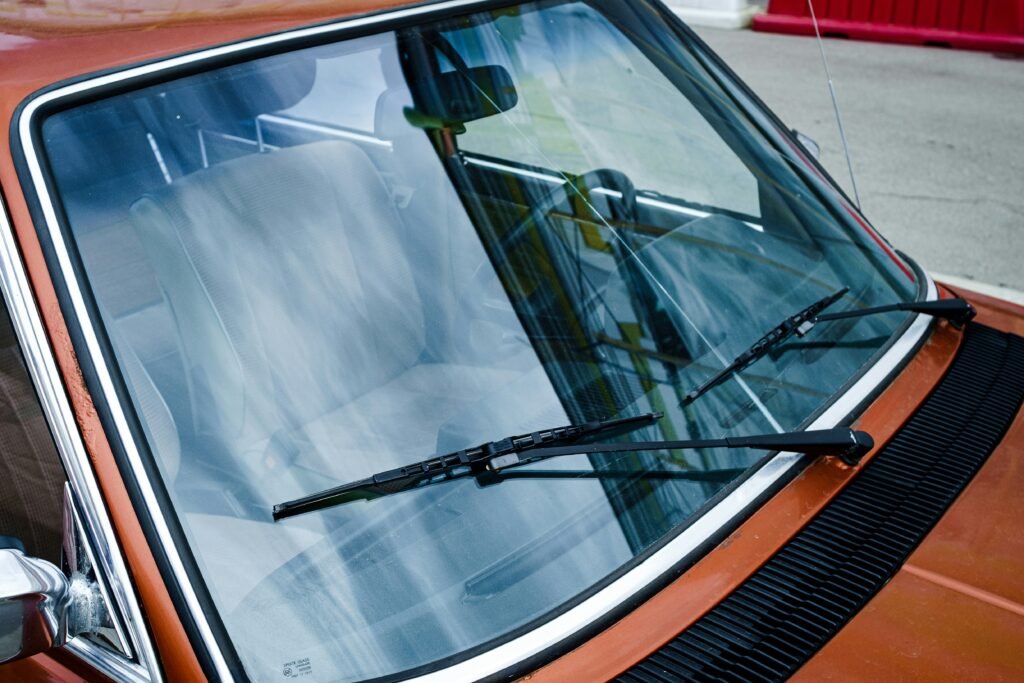
Frequently Asked Questions
1. How do I know when windshield wipers need replacing?
Replace them if they leave streaks, skip across the windshield, squeak excessively, show cracked rubber, or fail to clear water effectively.
2. Can I replace windshield wipers myself?
Yes. Most modern vehicles use quick-connect systems that allow windshield wiper blades to be replaced in just a few minutes without special tools.
3. How often should windshield wipers be replaced?
Most drivers should replace their windshield wipers every six to twelve months, although extreme weather may require more frequent replacement.